Baluchi Hound Dog Breed Temperament and Care Guide
The Baluchi Hound is a graceful, fast sighthound with deep roots in the deserts and mountains of South Asia. Calm indoors and athletic outdoors, it suits active owners who understand an independent, sight-driven dog.
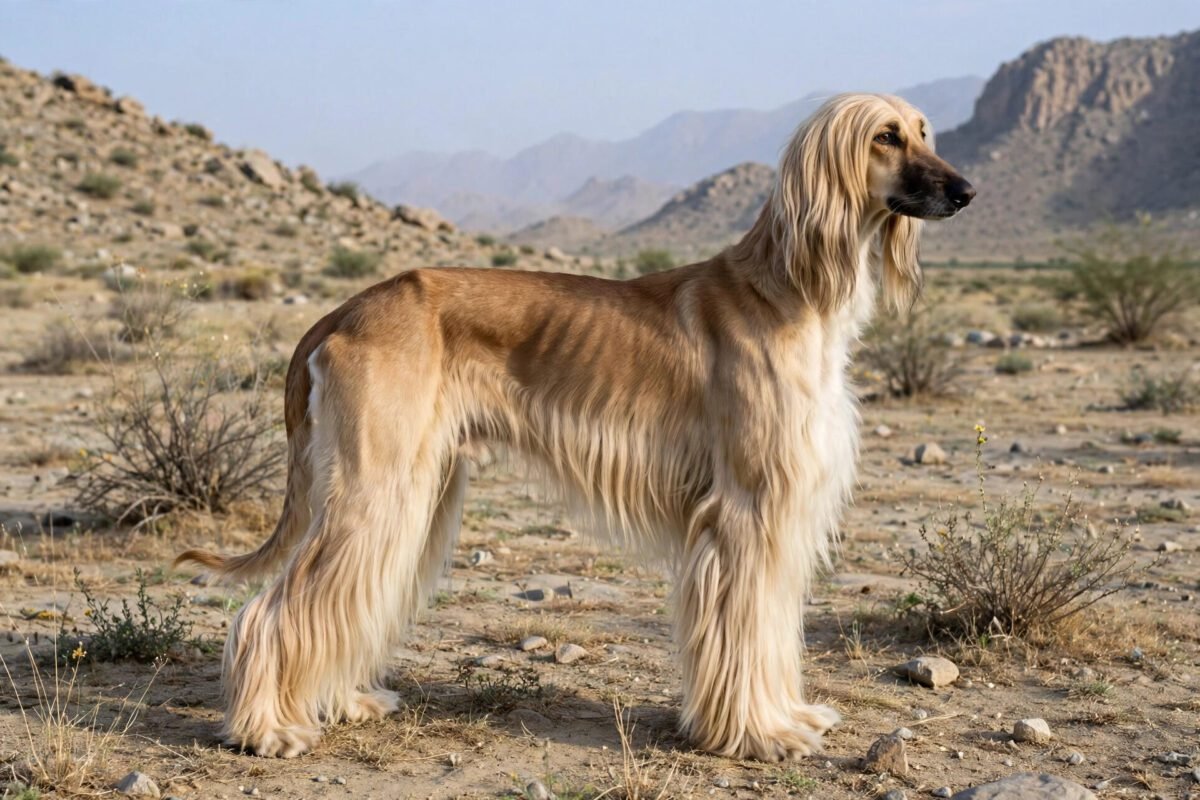
The Baluchi Hound is not a dog you see every day, and that is part of its charm. Tall, lean, and built for speed, it belongs to the ancient family of sighthounds — dogs that hunt by sight rather than by scent, chasing down what they can see across open ground. Its roots lie in the rugged borderlands of South Asia, where it was valued as a hunting companion and a loyal presence around the home. Today it is still rare outside its homeland, but the people who live with one tend to become devoted to the breed for life.
The short version: a Baluchi Hound is calm and gentle indoors, intensely athletic outdoors, and independent by nature. It needs room to run, a secure fence, patient training, and an owner who is comfortable with a dog that thinks for itself. If that sounds like your kind of dog, read on, because this is a breed that rewards the right home enormously.
Baluchi Hound Dog Breed Temperament and Care Guide
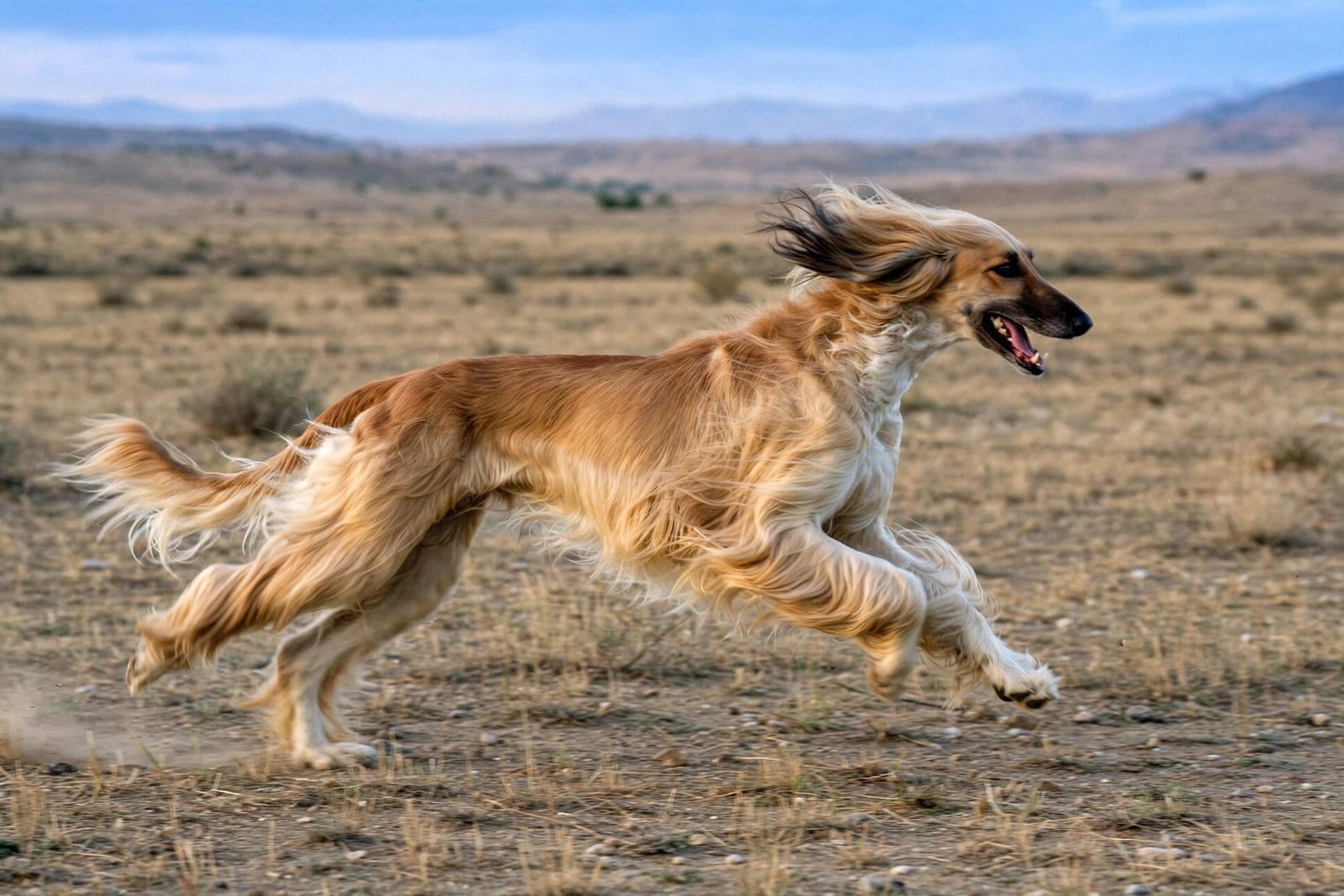
Sighthounds are among the oldest types of domestic dog in the world, and the Baluchi Hound carries that heritage in its shape and its behavior. Look at one standing still and you see the classic sighthound outline: a deep chest, a tucked waist, long legs, and a long, narrow head. Watch one move and you see why these dogs were prized. They can go from a standstill to a full sprint in a few strides, with a floating, effortless gallop that looks like it costs them nothing.
The breed developed in a harsh landscape of deserts, dry hills, and mountain passes, where a hunting dog had to be tough, hardy, and able to cover long distances. That background still shows in the modern Baluchi Hound. These are not fragile dogs. They are resilient, weather-tolerant within reason, and content with a simpler life than many modern breeds demand. They do not need pampering. They need running room, good food, and a secure place to rest.
One thing to understand right away is that the Baluchi Hound is rare, and it is not recognized by every major kennel club. That means finding a puppy takes patience, and finding reliable information takes a little digging. Breeders are few, litters are small, and waiting lists are common. Anyone considering this breed should be prepared for a search, and should be wary of sellers who always seem to have puppies available. A responsible breeder will ask you as many questions as you ask them, because placing a rare, high-energy sighthound in the wrong home helps no one.
Temperament: Calm at Home, All Business Outside
The classic sighthound temperament is a study in contrasts, and the Baluchi Hound fits the pattern well. Indoors, most of these dogs are quiet, dignified, and surprisingly lazy. They love a soft bed, a warm spot, and long naps. Visitors often assume a dog this athletic must be restless in the house, but the opposite is usually true. Once its exercise needs are met, a Baluchi Hound is content to lie around for hours, watching the household go by with mild interest.
With their own family, Baluchi Hounds are affectionate and loyal, though their affection tends to be calm rather than bouncy. They may lean against you, rest a head on your lap, or follow you from room to room, but they are not usually the kind of dog that demands constant attention or climbs into your lap uninvited. With strangers, they are often polite but reserved. They are not typically shy or fearful, just a little aloof until they decide someone is worth knowing.
That independence is the trait new owners most often underestimate. Sighthounds were bred to work at a distance from their handlers, making their own decisions while chasing game across open ground. That history produced a dog that thinks for itself. A Baluchi Hound may understand exactly what you are asking and still decide it has a better idea, especially if something interesting is moving across the field. This is not disobedience in the usual sense. It is the breed doing what it was shaped to do.
Around other dogs, Baluchi Hounds are usually sociable, particularly with other sighthounds. They play in fast, chasing games that can look rough to people used to smaller dogs, but it is normal sighthound play. Around small animals, though, caution is essential. The prey drive in this breed is strong and instinctive. A running cat, rabbit, or small dog can trigger a chase before the owner has time to react, and no amount of training fully removes that instinct. Many Baluchi Hound owners manage this with leashes, secure fencing, and careful introductions, rather than assuming the dog will simply learn to ignore small animals.
With children, a well-socialized Baluchi Hound can be a gentle and patient companion, especially with older children who understand how to behave around a large, sensitive dog. Young children should always be supervised, as with any big breed, and the dog should always have a quiet place to retreat to when it has had enough. The breed’s calm indoor manner makes it a better fit for families than its athletic reputation might suggest, as long as the exercise and safety needs are taken seriously.
Step 1: Give It Room to Run, Safely
Exercise is the single most important part of living with a Baluchi Hound, and it is also the part where new owners most often go wrong. This is not a breed that is satisfied with a short walk around the block. It needs real running — the kind of full-speed gallop that lets it stretch out and burn off its considerable energy. A tired Baluchi Hound is a calm, happy housemate. An under-exercised one may become restless, destructive, or frustrated.
The catch is that this running must happen in a safe, enclosed space. A Baluchi Hound off leash in an unfenced area is a risk, because if it spots something to chase, it will go, and it can cover a remarkable distance very quickly. Recall training helps, but with a sighthound it should never be your only safety plan. A tall, secure fence is essential. Check it regularly for gaps, loose boards, or places where a determined dog could dig under, because these dogs are both athletic and clever about finding exits.
A large fenced yard is ideal, but it is not the only option. Many owners use fenced dog parks during quiet hours, rented secure fields, or lure coursing events, where dogs chase a mechanical lure around a course. Lure coursing is a wonderful outlet for a sighthound, because it lets the dog do what it was bred to do in a controlled setting, and it is also a great way to meet other sighthound owners. If you do not have a yard, be honest with yourself about whether you can provide regular access to a safe running space before you commit to this breed.
Daily walks still matter, even with running time. Walks provide mental stimulation, socialization, and a chance to practice leash manners. A Baluchi Hound on a leash should be managed with a sturdy leash and a harness or collar that you trust, because a sudden lunge after a squirrel can catch an unprepared owner off guard. Never use a retractable leash with a dog this strong and fast. A standard leash gives you real control when it matters.
Step 2: Train With Patience, Not Pressure
Training a Baluchi Hound is a different experience from training a breed that lives to please its owner. These dogs are intelligent and they learn quickly, but they are not motivated by obedience for its own sake. Harsh corrections, drilling the same command over and over, and long training sessions will all backfire. The dog will simply switch off, and you will conclude it cannot be trained, when the real problem is the method.
Short, positive sessions work best. Keep training to a few minutes at a time, several times a day, and end while the dog is still engaged. Use food rewards, praise, and play, and vary the exercises so the dog does not get bored. Teach the essentials first: coming when called in a safe area, walking politely on a leash, settling on a bed, and leaving things alone on command. Those four skills cover most of daily life with this breed.
Socialization deserves special attention. Expose a young Baluchi Hound gradually to different people, places, sounds, and other dogs, always at a pace the puppy can handle. A well-socialized sighthound grows into a confident adult that takes new situations in stride. A poorly socialized one can become nervous or overly reactive, which is harder to fix later. Puppy classes are a good start, as long as the trainer understands sighthounds and uses positive methods.
Recall deserves an honest word. You can and should train recall, and many Baluchi Hounds will come reliably in a fenced area or a quiet place. But a responsible owner never bets the dog’s life on recall in an open area with wildlife around. The chase instinct is older and stronger than any training. Manage the environment first, train second, and you will keep your dog safe.
Step 3: Feed for a Lean, Athletic Body
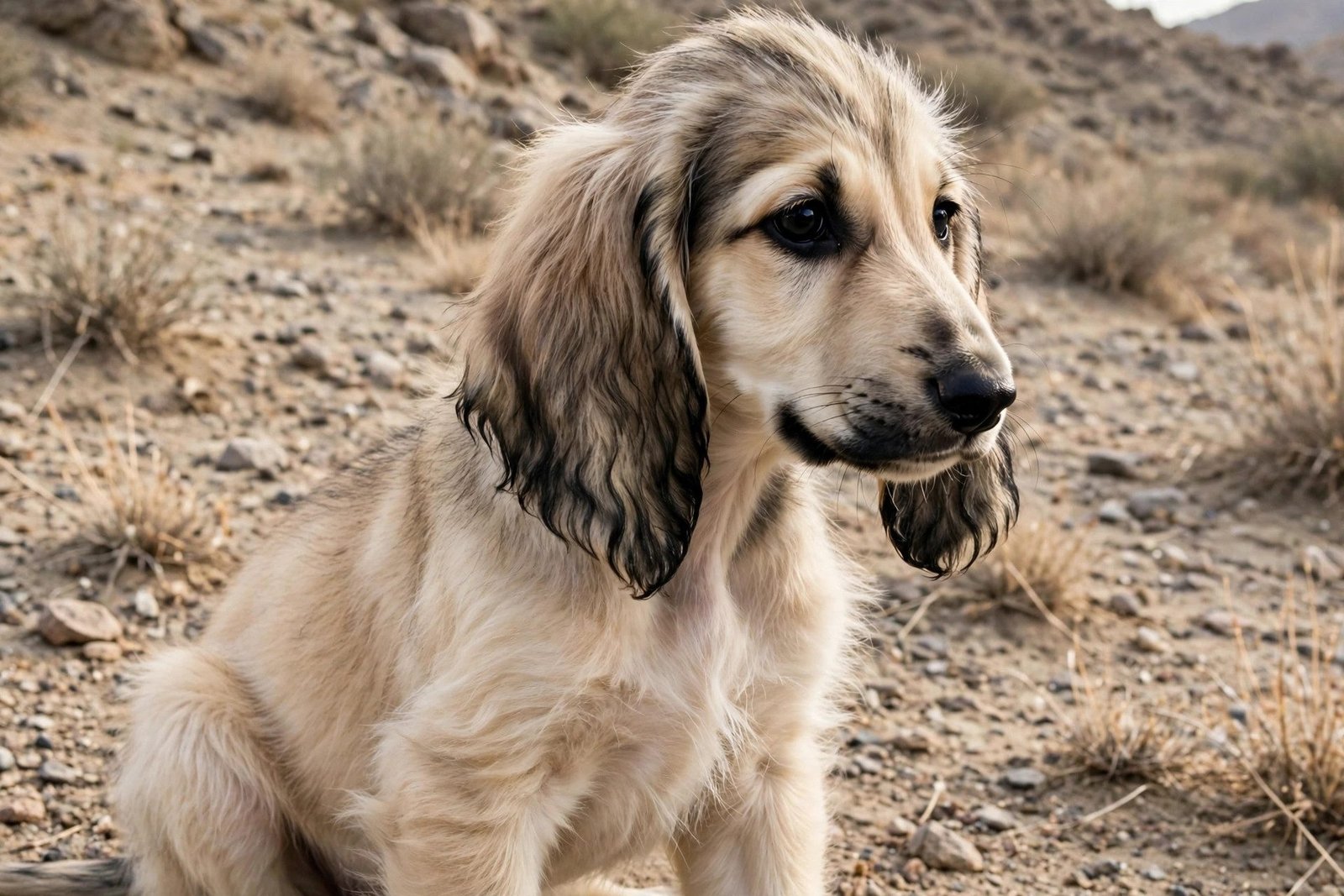
A Baluchi Hound should look lean. This surprises people who are used to stockier breeds, because the ribs and hip bones of a healthy sighthound are often visible, and the waist is sharply tucked. That is the correct shape for the breed, not a sign of underfeeding. Trying to fatten up a sighthound to look like a heavier breed is a mistake, and extra weight puts strain on joints and reduces the dog’s athletic ability.
Feed a good quality dog food appropriate for a large, active breed, and adjust the amount based on the dog’s activity level, age, and body condition rather than the number on the bag. A dog that runs hard every day needs more food than one having a quiet week. Puppies, adults, and older dogs all have different needs, and your veterinarian can help you fine-tune the diet. Fresh water should always be available, especially after exercise.
Some owners feed a raw or home-prepared diet, and that can work well, but it requires research and care to get the balance right. If you go that route, talk to your veterinarian or a qualified canine nutritionist first, rather than copying a recipe from the internet. An unbalanced diet can cause real harm over time, even if the dog looks fine at first.
Treats are useful for training, but keep them small and account for them in the dog’s daily food. Sighthounds can be sensitive to rich foods and sudden diet changes, which can upset their stomachs, so introduce new foods gradually and watch for digestive issues. If your dog has persistent stomach trouble, a vet visit is the right move, not a guess at a new food.
Step 4: Grooming and Everyday Care
Grooming a Baluchi Hound is refreshingly simple compared to many breeds. Most have a short, smooth coat that needs little more than a weekly brush to remove loose hair and keep the coat shiny. A rubber grooming mitt or a soft bristle brush does the job in a few minutes, and most dogs enjoy the attention. Shedding is moderate and manageable, though it increases during seasonal changes.
Bathing only needs to happen when the dog is actually dirty. Over-bathing strips the natural oils from the coat and can dry out the skin. A quick rinse after a muddy run and a proper bath every so often is plenty for most dogs. Check the ears regularly, especially after outdoor adventures, and clean them gently if you see dirt or buildup. Keep the nails trimmed, since long nails affect how a dog moves and can snag or break during a run. If you can hear the nails clicking on a hard floor, they are due for a trim.
Dental care is easy to overlook but worth doing. Brushing your dog’s teeth a few times a week, or using vet-approved dental chews, helps prevent gum disease, which is common in dogs and can affect their overall health. Start dental care while the dog is young so it becomes a normal routine rather than a struggle.
One care point that matters for this breed is temperature. Sighthounds have little body fat and thin coats, so they feel the cold more than heavier breeds. A warm coat for winter walks and a comfortable bed away from drafts will keep your dog happy in cold weather. In hot weather, the same leanness means they can overheat during hard exercise, so run them in the cooler parts of the day, carry water, and watch for heavy panting or slowing down. A Baluchi Hound that loves to run may not stop on its own when it should, so it is your job to call a halt.
Health and Veterinary Care
Like all breeds, the Baluchi Hound has its share of health considerations, and a good owner stays ahead of them with regular veterinary care. Annual checkups, vaccinations, parasite prevention, and dental checks are the basics, and they catch problems early when they are easiest to treat. Because the breed is rare, it is worth finding a veterinarian who is comfortable with sighthounds or willing to learn about them, since some aspects of sighthound care differ from other dogs.
One well-known sighthound trait is sensitivity to certain anesthetics and medications, which relates to their low body fat and unique metabolism. This does not mean they cannot be safely anesthetized. It means your veterinarian should know the dog is a sighthound before any procedure, so they can choose appropriate drugs and doses. Mention it at every visit, especially before surgery or dental work. It is a small conversation that makes a real difference.
Bone and joint injuries are another consideration, simply because these dogs run fast and turn hard. A sprain, a pulled muscle, or a more serious injury can happen during an enthusiastic sprint, especially on uneven ground. Warm up with a walk before letting the dog run flat out, avoid slippery surfaces for high-speed play, and rest the dog properly after an injury rather than letting it run through the pain. Most injuries heal well with rest and veterinary guidance.
Bloat is a risk in deep-chested breeds, and the Baluchi Hound’s deep chest puts it in that group. Bloat is a serious emergency where the stomach fills with gas and can twist, and it needs immediate veterinary attention. Signs include a swollen abdomen, restlessness, drooling, and unsuccessful attempts to vomit. Feeding smaller meals rather than one large meal, avoiding vigorous exercise right after eating, and knowing the warning signs are sensible precautions every owner of a deep-chested dog should take.
Beyond these points, the breed is generally hardy, a legacy of its tough origins. A well-cared-for Baluchi Hound from a responsible breeder, given proper exercise, food, and veterinary care, can be a healthy companion for many years. The rarity of the breed means there is less published health data than for common breeds, which is another reason to keep good records and stay in touch with your breeder and other owners.
Living With a Baluchi Hound: The Honest Picture
So what is daily life with this breed actually like? Mornings usually start with a burst of energy and a trip outside, followed by breakfast and a good run if the schedule allows. The middle of the day is quiet. The dog sleeps, watches the house, and waits for the next outing. Evenings bring another walk or run, dinner, and a long stretch of lounging near the family. It is a calm rhythm once you get used to it, and many owners find it suits their lives better than a breed that needs attention all day.
The breed suits active people who have secure outdoor space, who enjoy walking and running, and who appreciate an independent dog rather than a constantly demanding one. It suits experienced dog owners, and it can suit first-time owners who do their homework and are honest about the exercise commitment. It does not suit a home where the dog would be left alone for very long hours, a home without a fenced area or regular access to one, or a home with free-roaming small pets that the dog would be expected to ignore.
The rewards are considerable. Baluchi Hounds are beautiful, dignified, gentle with their families, and quietly devoted. There is something special about watching a dog like this run at full speed, and something equally special about the same dog curled up asleep beside you an hour later. Owners often describe the breed as a well-kept secret, and once you have lived with one, it is easy to understand why they stay loyal to it.
Finding a Baluchi Hound Responsibly
Because the breed is rare, finding a puppy or an adult dog takes time and care. Start by researching breeders who specialize in the breed or in sighthounds generally, and be prepared to travel. A good breeder will health-test their breeding dogs, raise puppies in the home, socialize them early, and ask you detailed questions about your home, your fence, and your experience. They will also stay in touch after the puppy goes home, because they care where their dogs end up.
Be cautious of sellers who offer puppies at unusually low prices, who will not let you see where the dogs live, or who pressure you to decide quickly. Those are warning signs in any breed, and they matter even more with a rare one. Rescue is another option worth exploring. Sighthound rescue organizations sometimes have Baluchi Hounds or similar dogs looking for homes, and an adult rescue can be a wonderful choice, especially if you want to skip the puppy stage.
Ask questions before you commit. Ask about the parents’ temperaments, about health testing, about what the breeder feeds and how they socialize the puppies. Ask what support they offer after you take the dog home. The answers will tell you a great deal about whether this is a breeder you want to work with. A good breeder welcomes questions. A bad one dodges them.
Baluchi Hound at a Glance
| Trait | What to expect |
|---|---|
| Size and build | Tall, lean, long-legged sighthound |
| Temperament | Calm indoors, independent, loyal to family |
| Exercise needs | Daily running in a secure area plus walks |
| Training style | Short, positive sessions; patience required |
| Grooming | Low maintenance, weekly brushing |
| Good with children | Yes, with supervision and older children especially |
| Small animals | High prey drive; needs management |
| Best home | Active owners with secure fencing |
Use this table as a quick check before you fall in love with a photo. If most rows describe your life, this could be a great match. If several rows do not, another breed may make you both happier.
FAQs
Is the Baluchi Hound good for first-time dog owners?
It can be, if the owner does their homework. The breed is calm indoors and relatively easy to groom, but it needs serious exercise, secure fencing, and patient training. A first-time owner who understands those commitments and has access to safe running space can do very well. One who expects an easy, low-energy dog will struggle.
How much exercise does a Baluchi Hound need?
More than a walk around the block. This breed needs regular opportunities to run at full speed in a safe, enclosed area, plus daily walks for stimulation and socialization. A tired Baluchi Hound is calm and content at home. An under-exercised one is likely to become restless and frustrated.
Are Baluchi Hounds good with cats and small pets?
Caution is needed. The breed has a strong prey drive, and a running small animal can trigger a chase instinct that training cannot fully erase. Some individuals live peacefully with cats they were raised with, especially with careful introductions and supervision, but it should never be assumed. Secure management is the responsible approach.
Do Baluchi Hounds bark a lot?
Generally no. They are not known as noisy dogs, and most are quiet indoors. They may bark to alert you to something unusual or during excited play, but excessive barking is not typical of the breed. Their quiet nature is one reason they do well in homes where noise matters.
Can a Baluchi Hound live in an apartment?
It is possible but challenging. The breed can be calm indoors, but it still needs daily access to a secure place to run. Without a yard, that means regular trips to a fenced park, a rented field, or lure coursing events. If you can reliably provide that, apartment living can work. If you cannot, a house with a fenced yard is a much better fit.
How do I find a Baluchi Hound breeder?
Because the breed is rare, expect a search. Look for breeders who specialize in the breed or in sighthounds, ask about health testing and socialization, and be wary of sellers who always have puppies available or will not show you their facilities. Sighthound rescue organizations are also worth contacting, as they sometimes have Baluchi Hounds or similar dogs available.
Read Also: Grape Must Basics Every Home Winemaker Should Know
Related Stories

Lord of the Rings T Shirt: Styles, Designs and Buying Guide
A Lord of the Rings t shirt is the easiest way to wear Middle-earth. This guide covers the…

Adidas Men’s Trefoil Essentials Oversized Cotton T-Shirt
The adidas men's trefoil essentials oversized cotton t-shirt pairs a relaxed, roomy fit with the classic Trefoil logo.…

Armenian: Language, People, Culture and History Guide
What does Armenian mean? A friendly guide to the Armenian language, its unique alphabet, the Armenian people, and…
1 response