T Post Remover: How to Use It and Pick the Right One
A T post remover pulls stubborn metal fence posts fast. Learn the types, how to use one step by step, and how to pick the right tool.
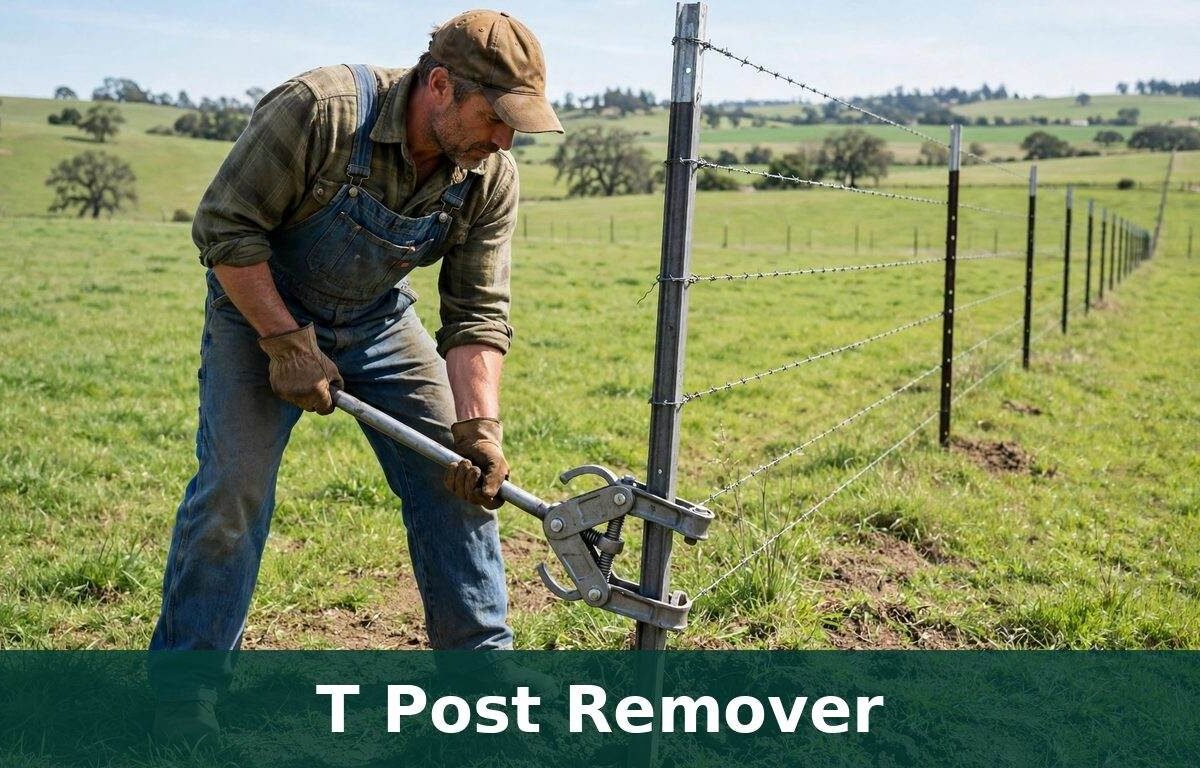
T Post Remover: How to Use It and Pick the Right One
The short version: a T post remover is a tool that pulls metal T-posts out of the ground using leverage instead of brute force. You hook it onto the post, press down on a long handle, and the post lifts a few inches at a time until it comes free. It turns a job that can wreck your back into a ten-minute task, and if you have more than a couple of posts to pull, it is one of the best-value tools a landowner can own.
This guide explains what a T-post is, why it is so hard to pull out by hand, the types of T post remover available, how to use one step by step, and how to choose the right tool for your fence, your soil and your budget.
More Information: When Is the Next Lunar Eclipse? (2026 Guide)
What Is a T-Post, and Why Is It So Hard to Remove?
A T-post is a steel fence post with a T-shaped cross-section, which is where the name comes from. Along its length are raised studs or nubs that hold fence wire in place, and near the bottom is a flat steel anchor plate, sometimes called a spade. When the post is driven into the ground, that anchor plate sits below the surface and grips the soil. It stops the post from being pulled up or pushed over, which is exactly what you want from a fence post, and exactly what makes it a nightmare to remove.
The resistance comes from two things. First, the anchor plate acts like a barb, catching the soil above it every time you pull upward. Second, the soil itself grips the post along its buried length, and in dry or clay ground that grip can be enormous. Pulling straight up by hand rarely works, and rocking the post back and forth usually just bends it. That is why a dedicated tool matters. A T post remover does not ask you to be stronger than the soil. It uses leverage to multiply your effort, so a steady push on a long handle becomes several hundred pounds of upward force on the post.
What Is a T Post Remover?
A T post remover is any tool designed to grip a metal T-post and lift it straight out of the ground. Most designs share the same three parts: a base that sits on the ground, a gripping mechanism that locks onto the post, and a long lever handle that you push down to create the lifting force. The details vary, but the idea is always the same. The base gives the tool something solid to push against, the grip holds the post, and the lever turns your body weight into pulling power.
Some pullers are built for T-posts only. Others can also handle wooden posts, ground rods and small stakes, usually with a chain attachment. If you are clearing an old fence line, that flexibility matters, because a mixed fence line often has a few wooden posts hiding among the steel ones.
Types of T Post Remover
There is no single best design, and the right choice depends on how many posts you need to pull, how deep they are set, and what equipment you already own. The main types are below.
Manual Lever Pullers
The manual lever puller is the most common type, and it is the one most people picture when they hear the term. It is a steel tool with a base plate, a jaw or hook that catches the studs on the post, and a long handle. You set the base on the ground next to the post, hook the jaw under a stud low on the post, and press the handle down. The post rises a few inches. You reset the jaw lower and repeat until the post is free.
These pullers are simple, tough and cheap to run, since they need no fuel or power. Well-known examples include the Hi-Lift PP-120 Post Popper, which uses a lever-and-chain mechanism that grips the post studs automatically as tension is applied. Prices for manual pullers vary, but many popular models sell for around 60 to 73 dollars, which pays for itself quickly if you are pulling more than a handful of posts. The main drawback is that they are a physical workout on very stubborn posts, and they work best on posts that are straight and undamaged.
Jack-Style Pullers
The JackJaw 205 T is the best-known example of this style. It is a jaw-style puller that clamps firmly around the base of the post, then uses a lever action to lift the post straight up without bending or twisting it. Because it works vertically, there is no sideways pressure on the post, which reduces the risk of bending the steel. It also works from a standing position, so you are not bent over or lifting heavy weights, which is easier on your back.
Jack-style pullers are built from heavy-duty steel and are designed to last through years of hard use. They are particularly good for T-posts, ground rods and small stakes, and they handle deeply set posts well. The trade-off is cost: they usually sit above the cheapest manual lever pullers, but for regular farm or ranch use the durability and the cleaner pull are worth it.
High-Lift Farm Jack Method
A high-lift farm jack is not sold as a T post remover, but it does the same job when paired with a sturdy chain. You wrap the chain low around the post, just above the soil line and below a stud so it cannot slip upward, then hook the other end to the jack’s lifting mechanism. As you work the jack handle, the jack’s footplate pushes against the ground while the hook pulls the post straight up.
This method gives a clean, vertical lift and handles deeply set posts in tough soil very well. It is a good option if you already own a farm jack, since you only need a chain to get started. The downsides are that a farm jack is heavy and bulky to carry along a fence line, and the setup takes a little longer than a dedicated puller. You also need to be careful with the chain, since a slipping chain under tension can be dangerous.
Chain and Lever Method
If you have no dedicated tool at all, a heavy-duty chain, a long rigid pipe or bar, and a solid wood block can do the job. The wood block is the fulcrum, the pipe is the lever, and the chain connects the post to the lever. You secure the chain tightly around the post as low as possible, below one of the studs so it cannot slip, rest the pipe on the wood block a short distance from the post, loop the chain over the pipe, and press down on the far end. Each push lifts the post a few inches, and you adjust the chain lower and repeat.
This method works, and it costs almost nothing if you already own the parts. But it is slower and clumsier than a purpose-built puller, and the setup needs care to keep the pull vertical. For one or two posts it is fine. For a whole fence line, a real puller is a much better investment.
Tractor and Skid Steer Attachments
For large jobs, there are attachment plates that let a tractor loader, skid steer or farm jack lift the post. The plate slips over the post profile and binds tightly against the studs under upward tension, so the machine can lift the post cleanly out of the ground. This is the fastest option for clearing long fence lines, but it only makes sense if you already have the machine. For most homeowners and smallholders, a manual puller is the practical choice.
How to Use a T Post Remover: Step by Step
The exact steps vary a little by model, so always read the instructions that come with your tool. The general method below works for most manual lever and jack-style pullers.
Step 1: Clear the Area and Check the Post
Walk the fence line and remove wire, clips and anything attached to the post before you start. A post with wire still attached will fight you and can whip around when it comes free. Check whether the post is bent, rusted through, or set in concrete. A badly bent post may need straightening first, and a post set in concrete is a different job, which we cover below. Put on gloves and eye protection, and wear sturdy boots. T-posts have sharp edges and rusty studs, and a slipping tool can throw grit into the air.
Step 2: Set the Puller Base on Firm Ground
Place the base of the puller firmly on the ground right next to the post. The base must sit flat and stable, because it carries the full force of the pull. If the ground is soft or wet, put a solid wood block or a flat piece of board under the base so it does not sink. A sinking base wastes your effort and can tip the tool sideways, which bends the post instead of lifting it.
Step 3: Hook the Grip Low on the Post
Slide the jaw, hook or clamp around the post and lock it under a raised stud as low to the ground as you can. The lower the grip, the better the lift, because the tool pulls from near the base where the resistance is. Make sure the grip is properly seated and locked. Different pullers have different mechanisms, so follow your model’s instructions here. A grip that is only half-engaged will slip when you apply force, and a slip under load is the most common cause of frustration with these tools.
Step 4: Press the Handle Down Smoothly
With the grip set, press down on the lever handle with a slow, steady motion. Do not bounce on it or jerk it. The post should rise a couple of inches. That is normal. A T post remover works in stages, and each press buys you a few inches. Lift the handle back up, reset the jaw to a lower stud, and press again. Repeat the cycle until the anchor plate clears the surface and the post comes free.
Step 5: Deal With Stubborn Posts
If the post refuses to move, do not just push harder. Try wiggling the post gently back and forth as you pull, which breaks the grip of the soil around it. Soaking the ground around the base with water an hour before you start can help a lot in dry soil, and a bucket or two of water around a stubborn post is often the difference between a five-minute job and a half-hour struggle. Rotating the post slightly as you pull can also break the suction of wet clay. If the post is bent near the ground, straighten the section above ground with a pipe or a few taps from a sledgehammer first, or switch to a chain-style puller that keeps the pull vertical.
Step 6: Lift the Post Clear and Stack It Safely
Once the post is free, lift it clear of the puller and lay it flat, out of the walkway. T-posts are heavy and their edges are sharp, so stack them neatly rather than dropping them where someone will trip over them. If you plan to reuse the posts, check the anchor plate and the studs for damage before you store them. A straight post with a sound plate is worth keeping, and reusing posts is one of the quiet savings of doing the job yourself.
Removing a T-Post Set in Concrete
A T-post set in concrete is harder, but a puller can still handle it. The concrete adds weight and grip, so the first lift is the hardest. Make sure the puller base is on very firm ground, since the extra force will push it down. Some people dig around the concrete collar first to expose it and break the bond with the soil, which reduces the force needed. If the concrete footing is large, you may need to break it apart with a sledgehammer or a digging bar before the puller can lift the post. In the worst cases, cutting the post at ground level and leaving the footing buried is the practical answer, though that is a last resort if you want the ground fully clear.
How to Choose the Right T Post Remover
Choosing well comes down to matching the tool to your job, not buying the biggest or most expensive option.
First, count your posts. If you have two or three posts to pull, a basic manual lever puller or even the chain-and-lever method is enough. If you have a whole fence line, twenty posts or more, spend a little more on a durable jack-style puller or a well-built lever puller with an automatic grip. Your back will notice the difference by the tenth post.
Second, look at your soil. Deep clay and dry, baked ground grip posts hardest, and they reward a tool with a long handle and a wide, stable base. Sandy or loose soil is easier, and almost any puller will cope. If your ground is soft after rain, make sure the tool has a base plate large enough to spread the load, or plan to use a wood block under it.
Third, check the condition of your posts. Straight, standard T-posts work with any jaw or hook puller. Bent posts, heavily rusted posts or posts with damaged studs are harder to grip, and a chain-style puller is often the better choice, because a chain wraps the post rather than depending on a clean stud to catch.
Fourth, think about what else you need to pull. If your fence line mixes steel T-posts with wooden posts and ground rods, a puller that works with a chain attachment will handle all of them with one tool. Some models are sold specifically as multi-purpose post pullers, and they are worth the small premium if your property has a mix.
Finally, check the build. A good puller is heavy steel with solid welds and a comfortable handle length. The handle is your leverage, so a longer handle means less effort, but it also means a bigger tool to carry. Most popular models strike a balance that works for an average adult. Read reviews from people who have pulled posts in similar soil before you buy, and be wary of very light or very cheap tools, since a bent handle halfway through a job is worse than no tool at all.
Safety Tips
A T post remover is a simple tool, but it stores a lot of force, and a little care goes a long way. Keep your hands clear of the grip mechanism while the handle is under load. Keep your feet away from the base plate in case the tool tips. Never stand directly over the post as it comes free, because a post that pops loose can jump. Wear gloves, eye protection and boots with a solid sole. And never let a child operate the tool. The leverage that makes it so effective is the same leverage that makes a slip painful.
More Information: When Is the Next Lunar Eclipse? (2026 Guide)
How Much Does a T Post Remover Cost?
Prices depend on the type. Basic manual lever pullers are the cheapest option, with popular models often selling for around 60 to 73 dollars. Jack-style pullers like the JackJaw cost more, reflecting their heavier build and cleaner lift. High-lift farm jacks are the most expensive of the bunch, but they are multi-purpose tools that many farms already own for other jobs. Second-hand pullers show up regularly at farm sales and online, and since the design is simple, a used steel puller in good condition is often a bargain. Whatever you spend, compare it with the cost of hiring someone to pull the posts, or the cost of a sore back and a wasted weekend with a shovel. For most people, the tool pays for itself on the first fence line.
Can You Remove a T-Post Without a Puller?
Yes, but it is slow and hard on your body. The old method is to dig around the post, rock it back and forth to loosen the soil, and then pull it out by hand with help. In soft ground after rain, that sometimes works. In dry or clay ground, it usually ends with a bent post and a sore back. A digging bar can help break the soil grip, and a chain hitched to a vehicle can pull a post, but that method is risky: a chain under tension can snap, and a vehicle pull can bend the post or drag it sideways. For anything more than one easy post, a proper remover is the safer and faster choice.
Caring for Your T Post Remover
A steel puller needs almost no maintenance. Wipe it down after use, especially if it has been in wet or muddy ground, and store it under cover so it does not rust. Check the pivot pins and the gripping jaw now and then for wear, and oil the moving parts lightly once a season. A well-kept puller will last for years and pull hundreds of posts, which is why farmers often pass them down rather than replace them.
More Information: Magellan Outdoors Men’s Relaxed Fit Jeans (2026 Guide)
FAQs
What is a T post remover?
A T post remover is a tool that pulls metal T-posts out of the ground using leverage. It has a base that sits on the ground, a grip that locks onto the post’s studs, and a long handle. Pressing the handle down lifts the post a few inches at a time until the anchor plate clears the soil and the post comes free.
How do you use a T post puller?
Set the base flat on firm ground beside the post, hook the jaw under a low stud, and press the handle down smoothly. The post will rise a few inches. Reset the jaw lower and repeat until the post is out. Soak dry ground with water first if the post is stubborn, and wiggle the post gently to break the soil’s grip.
What types of T post remover are there?
The main types are manual lever pullers, jack-style pullers such as the JackJaw 205 T, the high-lift farm jack method with a chain, the chain-and-lever method with a wood block fulcrum, and tractor or skid steer attachments for large jobs. Manual lever pullers are the most common choice for homeowners.
How much does a T post remover cost?
Popular manual lever pullers often sell for around 60 to 73 dollars. Jack-style pullers cost more, and a high-lift farm jack is the priciest option, though it is a multi-purpose tool. A used steel puller in good condition is often a bargain, since the design is simple and durable.
Can a T post remover pull wooden posts too?
Many can, if they work with a chain. Wrap the chain around the base of the wooden post and use the puller the same way. Purpose-built jaw pullers that only grip T-post studs will not work on wood, so check the tool’s design if you have a mixed fence line.
How do you remove a T-post set in concrete?
Use the puller as normal, but expect the first lift to be much harder. Dig around the concrete collar to expose it and break its bond with the soil, and make sure the puller base is on very firm ground. If the footing is too large, break it apart with a sledgehammer or digging bar first.
Can you remove a T-post by hand?
Sometimes, in soft ground after rain, digging and rocking can free a post. In dry or clay ground it is very difficult, because the anchor plate grips the soil. A puller uses leverage to do the work, which is faster, safer and much easier on your back.
Conclusion
A T post remover is one of those tools that looks simple and proves its worth the first time you use it. A metal T-post is designed to stay in the ground, and the anchor plate and soil grip make hand removal a losing battle. With a lever puller, a jack-style puller or even a farm jack and chain, you turn that battle into a steady, controlled lift. Pick the type that fits the number of posts you have, the soil you are working in, and the condition of the fence, keep the base stable and the grip low, and work the handle in smooth stages. The posts will come out straight, your back will stay intact, and the next fence project will start on clear ground.
Read Also: O T Lounge: What It Is, Where It Is and What to Expect
Related Stories

J.Crew Men’s Soft-Touch Polo Shirt: Fit, Fabric and Style
Soft fabric, a classic collar, and a fit that works tucked or untucked — the J.Crew men's soft-touch…

Old Navy Women’s Fit & Flare Asymmetrical Shoulder Mini Dress
A fitted bodice, a flared mini skirt, and one bare shoulder — the Old Navy women's fit &…

Rob Lorentz That Ain’t Bad: The Trick Shot Star Explained
Rob Lorentz That Ain't Bad is the trick-shot star from Wasilla, Alaska, who turned an inside joke into…
1 response