Singing Lessons: Everything You Need to Know Before You Start
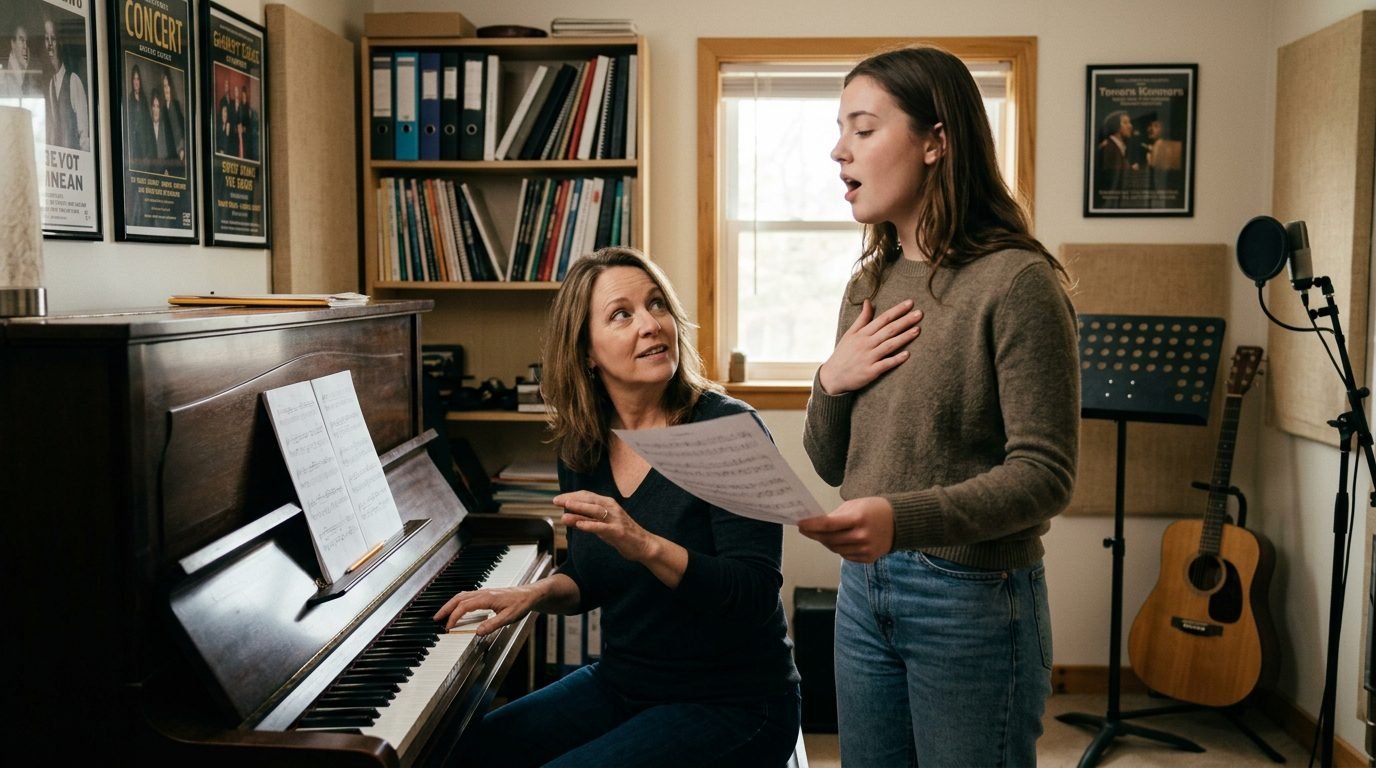
Singing lessons are structured coaching sessions that teach you how to use your voice with healthy technique. In a typical lesson, a vocal coach guides you through warm-ups, breathing and posture work, pitch and tone exercises, and songs chosen for your range. You can take them privately, in groups, online, or learn through apps and courses. This guide covers what lessons involve, what they cost in the US, how to choose a teacher, and how to practice on your own.
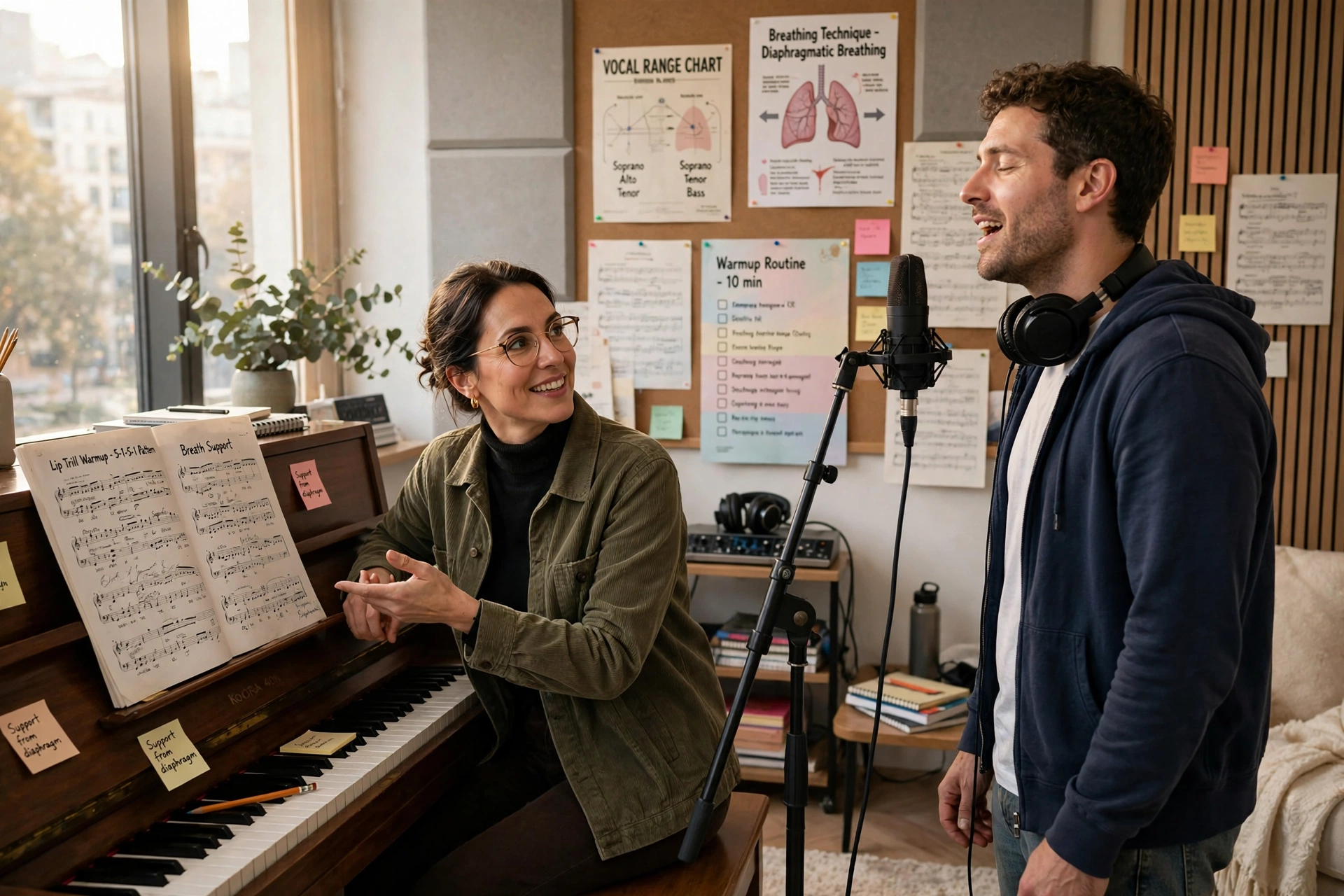
What Are Singing Lessons, Exactly?
Singing lessons are training sessions focused on building a reliable, expressive voice. A vocal coach works on the mechanics of singing: how you breathe, how you produce pitch, how your resonance works, and how you interpret a song. They are distinct from simply practicing songs on your own, because a trained ear catches habits you can’t hear yourself — tension in the jaw, shallow breathing, pitch drift — and corrects them before they harden.
Lessons serve different goals: learning from scratch, preparing for auditions, expanding range, fixing bad habits, or rebuilding confidence. Beginners and professionals take them for the same reason: a voice is an instrument you can’t see, so feedback from someone who can hear it matters.
Types of Singing Lessons
Private lessons. One-on-one coaching, in person or over video. The most personalized format, and the standard for serious progress. Typically 30 to 60 minutes, weekly.
Group lessons. Small classes, often cheaper. You get less individual feedback but learn performance skills and learn from hearing others.
Online private lessons. Live one-on-one coaching via video call. Nearly as effective as in-person for technique, with wider teacher choice. Reliable internet and a quiet room are required.
Self-paced courses and apps. Structured video programs or subscription apps (for example, Simply Sing or Yousician) costing roughly $10–$40 per month, plus free material on YouTube. Good for building a daily habit, but with no personalized feedback.
What Happens in a Typical Singing Lesson?
Most lessons follow the same arc:
- Check-in and warm-up. Light exercises like lip trills, slides, and humming loosen the voice and prepare the vocal folds.
- Technique work. The coach assigns exercises targeting your current goals: breath support, resonance, register transitions, or diction.
- Song application. You sing a piece and apply the technique to real music. The coach stops you to adjust and repeats problem sections.
- Homework. You leave with specific exercises and a practice plan for the week.
A first lesson is usually an assessment: the coach listens to your range, hears your current songs, and discusses your goals. Nothing is expected of you beyond showing up and singing a little.
What Beginners Actually Learn First
Beginners typically start with four foundations:
- Breath support. Learning to engage the diaphragm for steady airflow — the engine of every note.
- Posture. Balanced alignment so the breath flows freely; tension anywhere steals it.
- Pitch matching. Training the ear to hear and reproduce pitches accurately, often with piano or app feedback.
- Warm-up routine. A short sequence of exercises that protects the voice before singing.
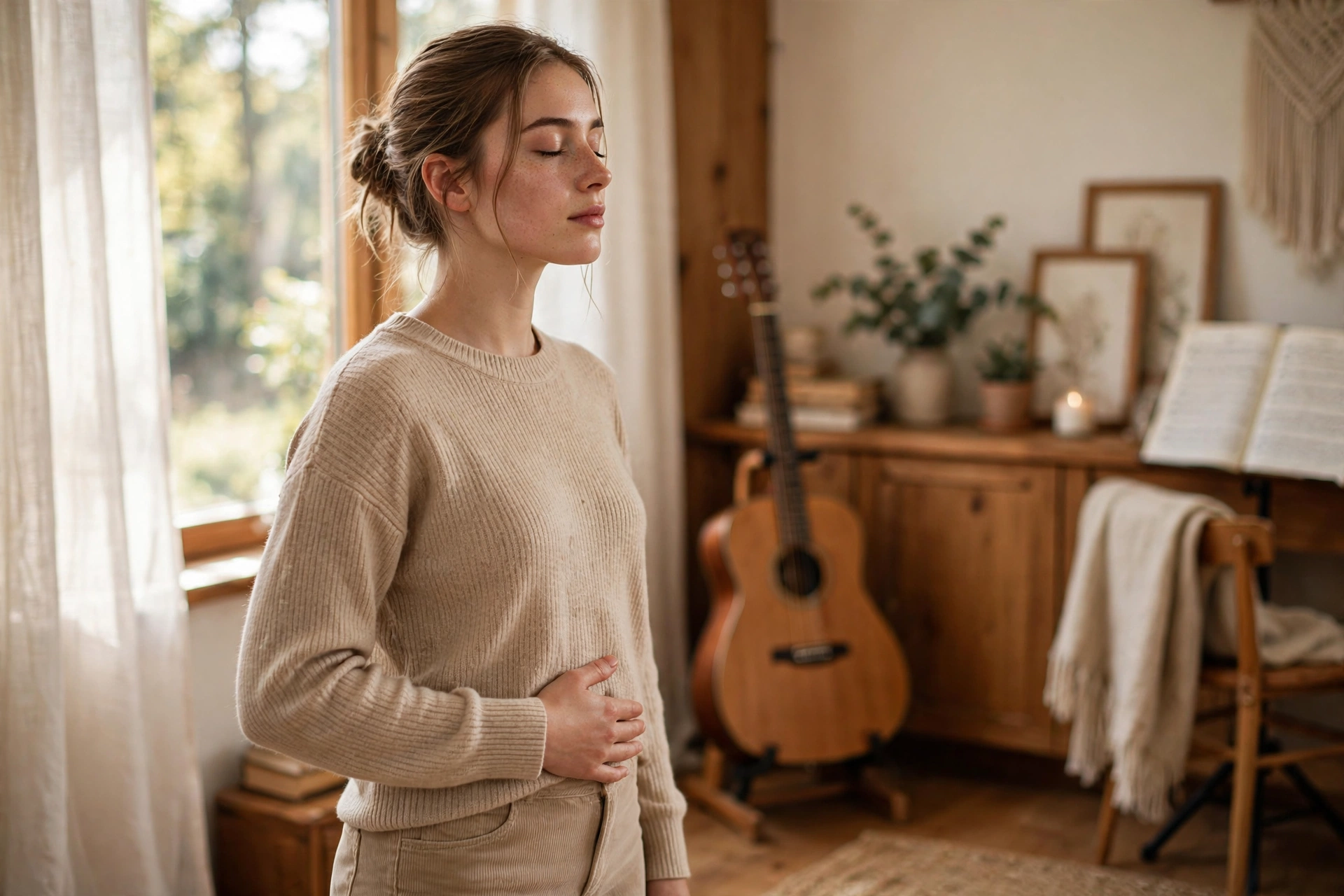
From there, students work on expanding their range, smoothing the transition between chest voice and head voice, adding vibrato, and interpreting songs — dynamics, phrasing, and emotion.
How Much Do Singing Lessons Cost?
Prices vary by region, teacher experience, and format. Typical US ranges:
|
Format |
Typical US price |
|---|---|
|
Private in-person lesson |
$40–$100+ per hour; city-specific rates often $40–$90/hr |
|
Private lesson (freelance marketplaces) |
$25–$55 per single session, higher for packages |
|
Group classes |
$15–$45 per session in many markets |
|
Subscription apps |
$10–$40 per month, with free tiers available |
|
Structured online courses |
$197–$497 for multi-level packages |
A weekly half-hour private habit usually runs about $120–$200 per month. Most teachers offer package discounts for booking multiple sessions up front. These are approximate market ranges, not quotes — verify with individual teachers.
Online vs. In-Person: Which Is Right for You?
|
Factor |
In-person |
Online |
|---|---|---|
|
Feedback quality |
Coach hears your uncompressed voice |
Slightly compressed audio; still catches most issues |
|
Convenience |
Travel required |
No travel; wider teacher choice |
|
Price |
Higher in big cities |
Often lower, more options |
|
Equipment |
Studio provided |
Quiet room + decent connection needed |
|
Best for |
Audition prep, classical technique, nervous beginners |
Budget, rural areas, flexible schedules |
Both work for beginners. Choose in-person if you want the most sensitive feedback; choose online if cost or location is the constraint.
How to Choose the Right Vocal Coach
Look for:
- Relevant experience. Do they perform and teach in the style you want (pop, classical, musical theater)?
- Teaching track record. Students at your level, references, or a clear teaching method.
- Credentials where relevant. Classical teachers may hold degrees or NATS membership; contemporary coaches should show performance and coaching history.
- Communication. They explain why an exercise works, not just “do this.”
- A trial lesson. Most good coaches offer one. Use it.
Red flags: no assessment before selling packages, guarantees of specific results (“double your range in 2 weeks”), pushing long contracts before the first session, or teaching while you strain or hurt. Sore throats after lessons are a sign to pause and reconsider, not to push through.
How to Practice Between Lessons
Lessons are the coaching; practice is the training. Most teachers suggest 15–30 minutes daily rather than one long weekly session. A simple routine:
- Warm up (5 minutes): lip trills, gentle slides, humming.
- Technique drill (5–10 minutes): this week’s exercise from your coach.
- Song work (10 minutes): one section at a time, recording yourself.
- Cool down (2 minutes): soft humming or descending slides.
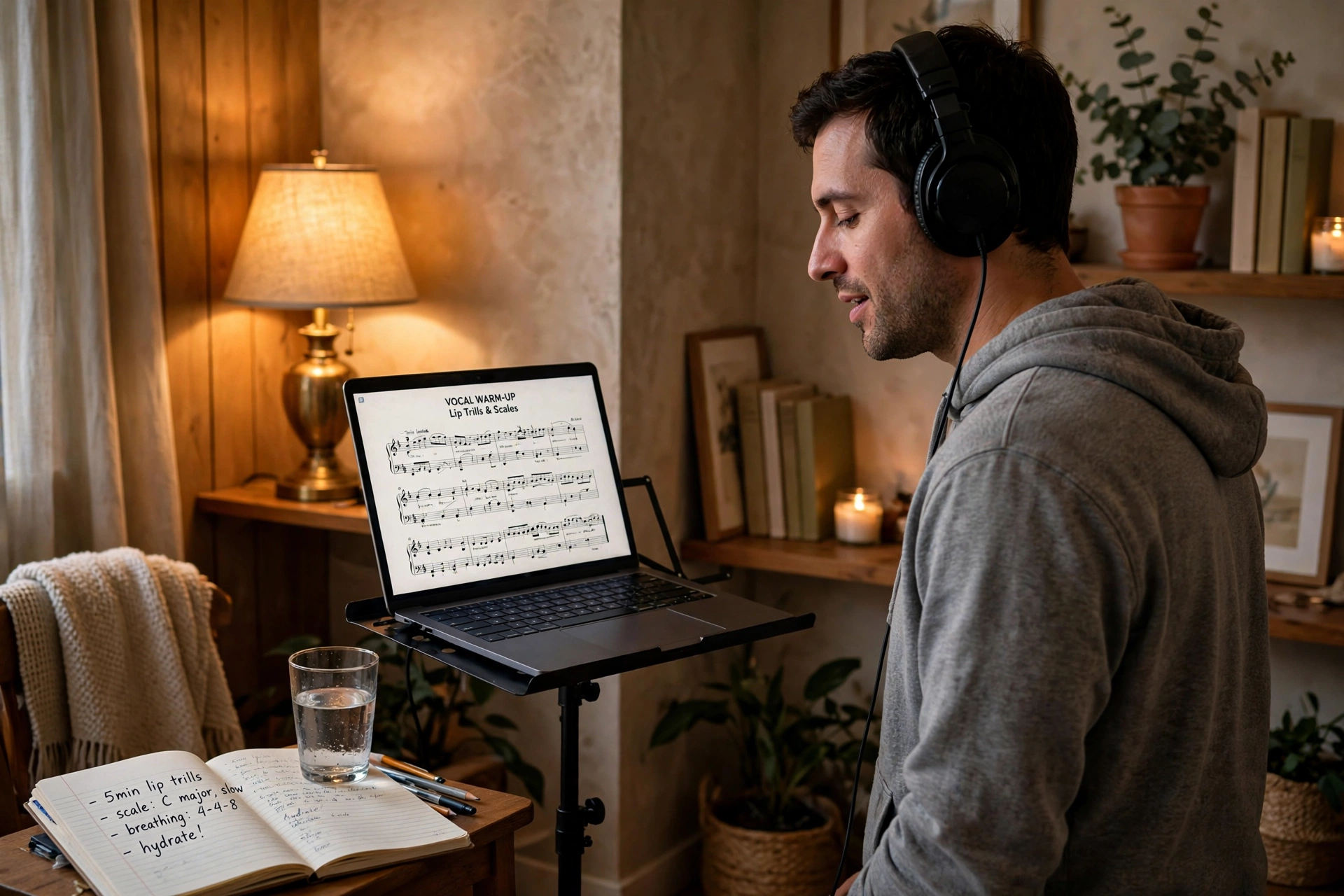
Record yourself regularly. The recording is honest in a way your in-the-moment perception isn’t, and it helps your coach track progress.
How Long Until You Notice Improvement?
Be honest with yourself here. A rough timeline for beginners practicing consistently:
- 2–4 weeks: breathing feels more controlled; warming up becomes habit.
- 2–3 months: pitch accuracy improves; you sing with less effort.
- 6 months: range expands noticeably; tone is more consistent.
- 1+ year: technique becomes reliable across songs; performance confidence grows.
Daily consistency beats session length. Five minutes a day does more than a weekly hour with no practice between.
Common Mistakes Beginners Make
- Singing too loudly. Volume comes from breath support and resonance, not force. Pushing strains the voice.
- Skipping warm-ups. Treating the voice like it’s ready at full capacity from the first note.
- Practicing only songs. Songs are the application; exercises build the skill underneath them.
- Copying an artist’s voice. Singing like someone rather than finding your own tone leads to strain and limits.
- Ignoring rest. Hoarseness that lasts more than a day or two deserves vocal rest, not another practice session.
Can Anyone Learn to Sing? Am I Too Old to Start?
Almost anyone with a healthy voice can learn to sing better. Severe tone-deafness is rare; most people who think they’re tone-deaf simply haven’t trained pitch matching yet. Adults are common students — coaches routinely work with adult beginners on vocal agility, breath consistency, and confidence, and many marketplaces list teens through seniors as standard ages. Children’s lessons typically start around age 7–8, when the voice is mature enough for technique. For adults, there is no cutoff; consistency matters far more than age.
Conclusion
Singing lessons are structured coaching that build your voice the way gym sessions build strength: through technique, repetition, and feedback. Expect $40–$100+ per hour for private US coaching, cheaper options through groups and apps, and real results in months with daily practice. Choose a coach with relevant experience who offers a trial, learn the foundations of breath and pitch first, and practice a little every day. That’s the whole formula.
12. FAQ Section
What happens at your first singing lesson?
A typical first lesson is an assessment: vocal warm-ups, a range check, breathing drills, and singing a short song so the coach hears your voice. You’ll discuss your goals, and the coach will outline a plan. Nothing advanced is expected.
How much do singing lessons cost on average?
In the US, private lessons typically run $40–$100 or more per hour, with weekly half-hour lessons totaling roughly $120–$200 per month. Group classes and apps cost less ($10–$40/month for apps). Rates vary by city and teacher experience.
Are online singing lessons effective?
Yes, for most beginners. A coach can hear breathing, pitch, and tone issues over a good video connection. In-person lessons give slightly more sensitive feedback, which matters more for classical technique and audition prep.
What age should you start singing lessons?
Children typically start around age 7 or 8. Adults can start at any age — adult beginners are a large share of voice students.
How often should you take singing lessons?
Weekly is the standard for steady progress, with 15–30 minutes of daily practice between lessons. Biweekly lessons work if you’re disciplined about practicing.
Can singing lessons help if I’m tone-deaf?
Usually, yes. True tone-deafness (amusia) is rare; most pitch problems are trainable with ear exercises and feedback. A coach can assess this quickly in a trial lesson.
Should I learn from apps or a private coach?
Use apps for daily habit-building and pitch practice; use a private coach for personalized technique correction. Many beginners do both, since a month of an app costs less than one private lesson.
Read Also: Finding the Right Serving Jobs Near Me: A Complete Guide to Landing Your Ideal Position
Related Stories

Powerball Drawing: The Complete Guide to Schedule, Results, How to Play & Winning Odds
Every few days, six small balls decide whether someone's life changes overnight. The Powerball drawing has produced the…

Ana Hills: A Complete Guide to Orange County’s Hidden Gem Community
When I first heard about Ana Hills, I thought people were talking about Anaheim Hills, that more popular…
1 response