971 Area Code: Portland, Oregon Coverage Guide
The 971 area code serves the Portland, Oregon area as an overlay to 503. Here is what that means, where it applies, and how dialing works.
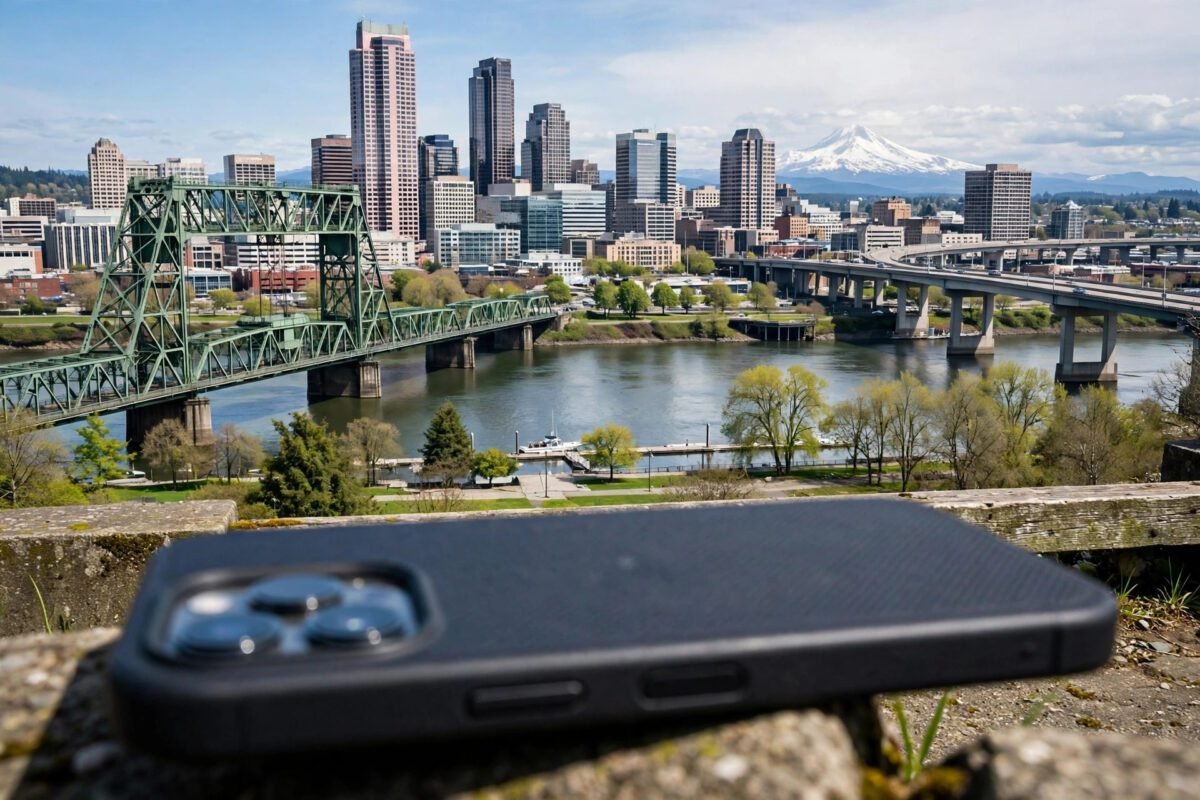
971 Area Code: Portland, Oregon Coverage Guide
The short version: The 971 area code is an Oregon telephone area code that serves the Portland area. It works as an overlay to the older 503 area code, which means that both codes cover the same general geographic area, and new numbers in that area may be assigned either code. If you see a number starting with 971, it is not a different city or a separate region tucked away somewhere else in Oregon. It is part of the same Portland-area numbering system as 503, and the main practical difference for callers is that you need to dial the full ten-digit number, area code included, even for local calls.
That overlay idea is the key to understanding 971, and it clears up most of the confusion people have when they first encounter it. Many people assume that a new area code must mean a new place, because that is how area codes often worked in the early days of the telephone system, when each code mapped neatly onto one region. Overlays changed that pattern. When an area runs low on available numbers, rather than splitting the region in two and forcing half the residents and businesses to change their numbers, regulators can add a second code for the same area. Existing numbers stay the same, new numbers draw from the new code, and everyone dials ten digits. That is what happened in the Portland area, and 971 is the result.
If you have received a call from a 971 number and wondered whether it was local, whether it was a scam, or whether you should call it back, this guide will help you answer those questions calmly. A 971 number can belong to a Portland-area resident, a business, a mobile phone, or a service based in that area, just as a 503 number can. The area code alone does not tell you who is calling or whether the call is trustworthy, and it never should be used as the only check. What it does tell you is the numbering area, and that is useful context when you are deciding how to respond, how to save a contact, or how to dial a number correctly.
What Is the 971 Area Code?
The 971 area code is one of Oregon’s telephone area codes, assigned to the northwestern part of the state centred on Portland. It was introduced as an overlay to 503, the original area code for that region. In practical terms, that means 971 and 503 share the same service area. A neighbour across the street might have a 503 number while you have a 971 number, and both numbers are local to each other. Neither code is more local, more official, or more correct than the other. They are simply two pools of numbers serving the same place.
The reason overlays exist is straightforward. Telephone numbers are a finite resource within each area code, and demand grows as population grows, as businesses open, and as people add mobile phones, second lines, and connected devices. When the existing pool starts to run low, something has to change. Splitting an area forces many people to change their numbers, update their stationery and listings, and tell all their contacts, which is disruptive and expensive. An overlay avoids that disruption by keeping every existing number unchanged and adding capacity for new numbers. The trade-off is that ten-digit dialing becomes necessary, because the network can no longer tell from seven digits alone which code you mean.
For callers, that trade-off is now familiar across much of North America. Many metropolitan areas have overlays, and many people dial ten digits out of habit without thinking about it. In the Portland area, that habit matters. If you dial only seven digits for a local number, the call may not go through, or you may hear a recorded message asking you to dial the area code as well. Saving contacts with the full ten-digit number, including the area code, avoids that problem entirely, and it also avoids confusion when you travel or when someone else uses your phone.
Where Does 971 Apply?
The 971 area code applies to the Portland area in northwestern Oregon, the same general area served by 503. Portland is the anchor city, and the numbering area covers the surrounding metropolitan area that shares that telephone system. This guide deliberately avoids listing every community in the area, because detailed boundary lists can change and because the important point for most readers is the Portland metro association, not an exhaustive map of every town and suburb. If you need to know whether a specific number is local to you, the reliable check is the area code and the dialing pattern, not a guess based on a town name.
It is also worth understanding what an area code does not do. An area code does not follow a person around. If someone moves away from Portland and keeps their mobile number, that number keeps its 971 code even though the person no longer lives in the area. That is common with mobile phones, and it is why a 971 number on your caller display does not guarantee that the caller is physically in Portland at that moment. Similarly, a Portland resident who moves in from elsewhere may keep an old area code from their previous home. Area codes describe where a number was assigned, not necessarily where its owner is standing right now, and that distinction matters when you are trying to work out whether a call is local in any meaningful sense.
Another point that often causes confusion is the difference between an area code and a time zone or a postal area. The Portland area is in the Pacific Time Zone, but that is a separate system from telephone numbering, and the two do not always line up neatly across the country. Likewise, a ZIP code and an area code may cover similar ground in a city, but they are administered separately and they change for different reasons. When you are dealing with a phone number, focus on the dialing rules for that code, and leave postal and time-zone questions to their own systems.

How 971 Relates to 503
The relationship between 971 and 503 is simple once you see it as an overlay, but it is worth spelling out because so many misunderstandings come from assuming the two codes must be rivals or replacements. The 503 code came first and remains in use. The 971 code was added later to provide additional numbers in the same area. Neither code replaced the other, and neither is being phased out in favour of the other in the ordinary sense. New numbers may be assigned from either pool depending on availability, and both codes will continue to appear on Portland-area numbers for the foreseeable future.
That shared geography has a few practical consequences. First, a call between a 971 number and a 503 number in the same area is a local call in dialing terms, even though the area codes differ. You still dial ten digits, but you are not dialing long distance in the old sense simply because the codes are different. Second, businesses in the Portland area may display either code, and customers should not treat one as more legitimate than the other. A shop, clinic, or office with a 971 number is not a newcomer in any suspicious sense, and a business with a 503 number is not automatically more established. Third, if you are setting up a new phone line or choosing a number for a business, the code you are offered will depend on what is available at the time, not on a choice between a good code and a bad one.
People sometimes ask whether they can request a specific code. In general, number assignment depends on the carrier and on availability, and while you can ask, you cannot always get the code you prefer. That is normal in an overlay area, and it is not a sign that something has gone wrong. What matters far more than the code itself is that the number is easy for your contacts to save and dial, that it is listed correctly wherever it needs to be listed, and that you use the full ten-digit format consistently.
Step 1: Dial a 971 Number Correctly
Dialing a 971 number is straightforward, and the rule is the same whether you are calling from inside the Portland area or from elsewhere in the United States. Dial the full ten-digit number: the area code 971, followed by the seven-digit local number. From a mobile phone, you can save the number in exactly that format, and you can also save it with the country code, as +1 971 followed by the seven digits, which helps if you travel abroad or if someone calls you from outside the country. The +1 is the country code for the United States, Canada, and other countries in the North American Numbering Plan.
If you are calling from outside the United States, the format changes slightly, because you need your own country’s international exit code first, then 1 for North America, then 971 and the local number. The exact exit code depends on where you are calling from, so check that detail before you dial rather than guessing. If you are calling from a landline within the Portland area, ten-digit dialing still applies, and that is the most common mistake people make: dialing only seven digits out of habit and wondering why the call does not connect.
A useful habit is to check the number as you save it. When someone gives you a Portland-area number, confirm the area code as well as the seven digits, and save the whole ten-digit string in your contacts straight away. That small step prevents a surprising number of failed calls, missed callbacks, and awkward moments when you are trying to reach someone quickly. It also means you do not have to remember which of your contacts are 503 and which are 971, because your phone will handle the dialing for you.

Step 2: Save and Share Your Own 971 Number
If you have a 971 number yourself, share it in full, every time. That sounds obvious, but many people still give out only seven digits to local contacts, assuming the area code is understood. In an overlay area, that assumption no longer holds, because the person you are talking to may have the other code, or may be saving your number on a phone that expects ten digits. Giving the full number, including 971, removes ambiguity and saves everyone a second conversation.
The same applies to business listings, email signatures, websites, and printed materials. A business card or website that shows only seven digits looks incomplete in an overlay area, and it can cost you calls from people who are unsure whether they need to add a code. Showing the full ten-digit number, with the area code clearly visible, is a small professional detail that makes a real difference. If you are updating listings after moving or after getting a new number, check each listing individually, because directories, maps, and social profiles do not always update together.
Step 3: Check an Unknown 971 Call Before You Call Back
An unknown 971 number deserves the same calm checks as an unknown number with any other code. First, consider whether you are expecting a call from the Portland area, whether from a business, a service, a school, or a person you know. If the call is unexpected, let it go to voicemail if you can, and listen to the message before deciding what to do. A genuine caller will usually leave a clear message explaining who they are and why they called. A caller who leaves no message, or who leaves a vague or urgent message pressuring you to act immediately, deserves extra caution.
If you do need to call back, use a number you already trust rather than simply redialling an unknown number, especially if the message involves money, account access, or personal information. Look up the organisation through its official website or a number you already have, and call that number instead. Never share passwords, verification codes, bank details, or other sensitive information with a caller you have not verified, whatever area code they appear to be calling from. Scammers can spoof area codes, including local ones, so a familiar-looking code is not proof that a call is genuine. The area code tells you about numbering, not about trustworthiness, and keeping those two ideas separate is the best protection you have.
Is a 971 Call Long Distance or Charged Differently?
Whether a call costs extra depends on your phone plan, not on the area code alone. Most modern mobile plans in the United States include nationwide calling, which means a call to a Portland-area number costs the same whether you are calling from Portland, from another state, or from a different area code entirely. Older landline plans and some business plans may still distinguish between local and long-distance calls, and in those cases the distinction depends on the carrier’s rate areas rather than on a simple rule about area codes. If cost matters to you, the reliable answer comes from your carrier and your plan, not from a general guide.
What you can say with confidence is that dialing a 971 number from a 503 number in the same area is not long distance in the sense that you have crossed into a different region. The two codes share the same area, so the call is local in geographic terms. Any charge would come from your plan’s terms, not from the fact that the codes differ. If you are ever unsure about charges, a quick check with your carrier will settle it, and that check is worth making before you worry about a bill.
Common Questions About Moving, Porting, and Keeping a Number
One of the most common questions about any area code is whether you can keep your number when you move. In general, mobile numbers can often be kept when you move within the country, because number portability allows you to take your number to a new carrier or a new location, subject to the carrier’s rules. That is why you will meet Portland residents with area codes from other states, and former Portland residents who still have 971 numbers years after moving away. Keeping a number is convenient, but it also means the area code becomes a record of where the number started, not a reliable guide to where its owner lives now.
Porting a number between carriers is a separate process, and it usually requires account information and a porting authorisation from your current carrier. The process is routine, but it is worth doing carefully, because mistakes can delay the transfer or interrupt service. If you are porting a 971 number, or porting a number into the Portland area, confirm the details with both carriers in writing, and do not cancel your old service until the transfer is confirmed. That advice applies to any area code, but it is especially relevant when you are juggling a move, a new job, or a business change at the same time.
Businesses sometimes ask whether they should choose a local area code for credibility. A Portland-area code can signal a local presence to customers who recognise it, but it is only one signal among many, and it should not be the only basis for trust. A business website, a physical address, reviews, and a consistent online presence all matter more than the three digits at the start of a phone number. If you run a business in the Portland area, a 971 number is a perfectly normal local number, and you should present it confidently, in full, wherever your number appears.
971 Area Code at a Glance
| Question | Answer |
|---|---|
| State | Oregon |
| Main area | Portland area, northwestern Oregon |
| Relationship to 503 | Overlay: 971 and 503 cover the same general area |
| Dialing | Dial all 10 digits (971 + 7-digit number) for local calls |
| From abroad | Your exit code + 1 + 971 + 7-digit number |
| Does a 971 number prove the caller is in Portland? | No: mobile numbers can be kept after moving, and area codes can be spoofed. |
FAQs
What area does the 971 area code cover?
The 971 area code covers the Portland area in northwestern Oregon, as an overlay to 503. Both codes serve the same general geographic area, so a 971 number and a 503 number can belong to neighbours in the same locality.
Is 971 a new area code for Portland?
It is newer than 503, but it is not a replacement for it. The 971 code was added as an overlay to provide more numbers in the same area, while existing 503 numbers stayed unchanged. Both codes remain in use.
Do I need to dial 10 digits for a local 971 call?
Yes. In an overlay area, you should dial the area code plus the seven-digit number, even for local calls. Saving contacts in full ten-digit format avoids failed calls.
Is a call from 971 to 503 long distance?
Not in geographic terms, because both codes cover the same area. Whether any charge applies depends on your phone plan and carrier, not on the fact that the codes differ.
Can I keep my 971 number if I move away?
Often, yes, because mobile numbers can usually be ported and kept when you move, subject to your carrier’s rules. That is why a 971 number does not by itself prove that its owner currently lives in Portland.
Does a 971 number mean a call is safe?
No. Area codes describe numbering areas, not trustworthiness, and caller display can be spoofed. Treat unknown calls with the usual caution, let them go to voicemail when you can, and verify the caller through a trusted number before sharing sensitive information.
For related coverage of American regions and everyday practical guides, you can browse the news and lifestyle sections on The Modern Post, and for a different angle on places and communities, the features on Daily Scope 67 are a useful companion read.
Related Stories
203 Area Code Guide to Southwest Connecticut (2026 Guide)
Everything you need to know about the 203 area code — where it is, which cities it covers,…

413 Area Code: Complete Western Massachusetts Guide
Area code 413 is the single area code for western Massachusetts, in use since 1947. This guide covers…

Yonopress: Free Multi-Topic News And Guides (2026)
Yonopress is a free, no-signup website offering news and practical guides across business, tech, health, finance, and lifestyle.…
1 response