Subaru Solterra (2026): The Complete Guide to Subaru’s Electric SUV
The 2026 Subaru Solterra: 288-mile range, 338-hp XT trims, NACS charging, and standard AWD. Full specs, prices, and honest buying advice.
Subaru Solterra (2026): The Complete Guide to Subaru’s Electric SUV

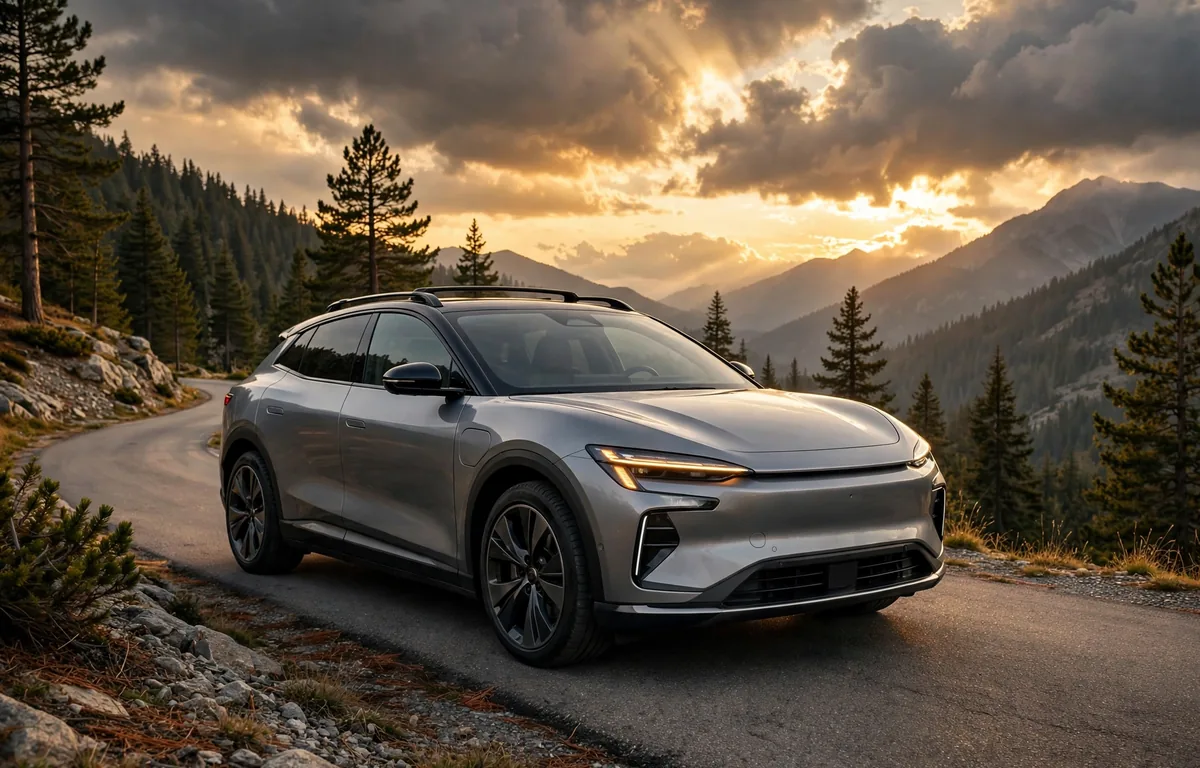
The short version: the 2026 Subaru Solterra is a completely refreshed take on Subaru’s first electric vehicle. It keeps the things Subaru owners actually care about — standard all-wheel drive, real ground clearance, a practical interior — and fixes the things they complained about, namely range, charging, and power. Prices start at $38,495 before destination, EPA-rated range tops out at 288 miles, and a new XT trim pushes output to 338 horsepower. This guide walks through every spec, every trim, real-world charging, and whether it’s the right EV for you.
What Is the Subaru Solterra?
The Subaru Solterra is the brand’s first fully electric vehicle, launched for the 2023 model year. For 2026, Subaru gave it what amounts to a mid-life overhaul: a redesigned front fascia, a bigger battery, more powerful motors, a standard NACS (Tesla-style) charging port, and a larger 14-inch touchscreen inside.
Think of it as Subaru’s answer to a specific question: what does an electric car look like for someone who lives somewhere it snows, drives on dirt roads, and has a kayak on the roof half the summer? It’s built on an EV platform Subaru developed with Toyota (it shares its bones with the Toyota bZ4X), but Subaru’s version leans harder into the adventure branding — 8.3 inches of ground clearance, X-MODE off-road drive modes, and roof rails that come ready for cargo.
It seats five, offers about 24 cubic feet of cargo space behind the rear seats (roughly 64 with the seats folded), and drives like a Subaru first and an EV second. That’s either a compliment or a criticism, depending on what you want.
Subaru Solterra Specs at a Glance
| Spec | 2026 Subaru Solterra |
|---|---|
| Base price (MSRP) | $38,495 |
| Destination charge | $1,450 (varies in 9 states) |
| Battery | 74.7 kWh lithium-ion (liquid-cooled) |
| Power (base trims) | 233 hp (dual motor, AWD) |
| Power (XT trims) | 338 hp (dual motor, AWD) |
| EPA range (Premium) | 288 miles |
| EPA range (other trims) | 278 miles |
| DC fast charging | Up to 150 kW (10–80% in ~30 min) |
| Charging port | NACS (Tesla Supercharger access) |
| Ground clearance | 8.3 inches |
| 0–60 mph (XT) | Under 5 seconds |
| Towing capacity | Up to 2,700 lbs |
| Seating | 5 |
| Drive | Standard AWD |
Step 1: Understand the Range and Battery
The short version: 288 miles on the base Premium, 278 on the rest. That’s a meaningful jump over the old car’s numbers and lands the Solterra firmly in the respectable-middle of the electric SUV class.
The 74.7 kWh battery pack is the heart of the 2026 update. The previous car carried 71.4 kWh, and reviewers at launch hammered the Solterra for efficiency that felt a generation behind rivals. Subaru responded with the bigger pack, more efficient motors, and some aerodynamic cleanup. The result: roughly 25% more range than the outgoing model, depending on trim.
A few things worth knowing about that 288-mile figure:
- It’s the EPA estimate for the Premium trim on 18-inch wheels. The 20-inch wheels on higher trims cost you about 10 miles. Wheel size matters more on EVs than most people expect.
- Winter will eat into it. Every EV loses range in the cold — typically 20–30% below freezing, depending on how you heat the cabin. The Solterra now has a heat pump system that helps, but plan for it.
- Highway speed is the enemy. If your commute is 75 mph the whole way, expect less than the window-sticker number. Around-town driving is where EVs shine on efficiency.
Is 288 miles enough? For most people, honestly, yes. The average American drives under 40 miles a day. Road trips take planning, but with fast-charging stops of around 30 minutes every few hours, the Solterra can handle a long highway day. It’s not class-leading — some rivals stretch past 300 — but it’s no longer the compromise it was.
Step 2: Learn How Charging Works
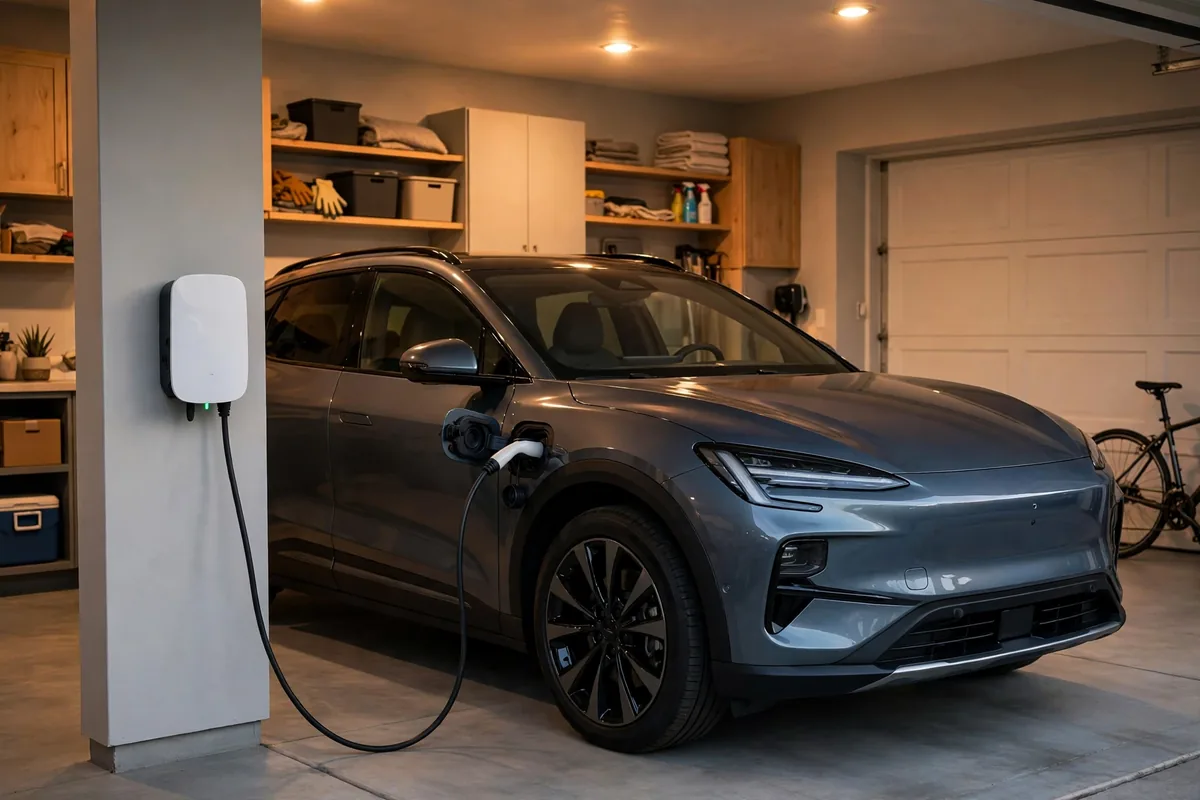
The short version: charge at home overnight for daily driving; use DC fast chargers on road trips. The new NACS port means Tesla Supercharger access without an adapter.
Home charging (what you’ll do 95% of the time)
Plug the Solterra into a 240-volt outlet or a wall-mounted Level 2 charger and it refills overnight, easily. A typical Level 2 setup adds roughly 25 miles of range per hour, so even the full 288 miles tops up while you sleep. If you’ve never lived with an EV, this is the part that changes everything: you stop thinking about “fueling up” entirely and just start every morning full.
The car also supports AC charging at up to 22 kW — faster than most home setups deliver, but useful if your workplace or a parking garage offers higher-powered AC charging.
Public fast charging (for road trips)
The Solterra peaks at 150 kW on DC fast chargers, taking the battery from 10% to 80% in about 30 minutes. That’s fine, not fast — rivals with 800-volt architectures can do it in 18–20 minutes. On a long road trip it means slightly longer coffee stops. Not a dealbreaker for most, but if you regularly drive 400+ miles in a day, it matters.
The headline win for 2026 is the native NACS port. No adapter, no hunting for the right plug type: you can roll up to a Tesla Supercharger and plug straight in. Given how much bigger and more reliable that network is than the alternatives, this is one of the most practical upgrades on the new car.
Step 3: Pick Your Trim
Subaru sells four Solterra trims for 2026. Prices below are MSRP and exclude the $1,450 destination charge.
| Trim | MSRP | Power | EPA range | Wheels |
|---|---|---|---|---|
| Premium | $38,495 | 233 hp | 288 miles | 18-inch |
| Limited | $41,395 | 233 hp | 278 miles | 20-inch |
| Limited XT | $42,895 | 338 hp | 278 miles | 20-inch |
| Touring XT | $45,555 | 338 hp | 278 miles | 20-inch |
Premium ($38,495) is the value play. You get the full 288-mile range thanks to the smaller wheels, dual-motor AWD, the big 14-inch touchscreen, and the EyeSight driver-assist suite. If your priority is range per dollar, this is the one.
Limited ($41,395) adds comfort features — power liftgate, nicer upholstery, more driver-assist extras — at the cost of 10 miles of range from the bigger wheels. It actually got $600 cheaper than last year’s equivalent.
Limited XT ($42,895) is where the fun starts. The XT motors bring 338 horsepower and a sub-5-second 0–60 run. For roughly $1,500 over the regular Limited, it’s a lot of performance per dollar.
Touring XT ($45,555) is fully loaded: leather, panoramic roof, the works. The only options are two-tone paint and floor mats.
One tax-credit reality check: the Solterra is built in Aichi, Japan, which means it never qualified for the federal EV tax credit’s assembly requirement — and the $7,500 federal credit ended on September 30, 2025. So buy on the merits of the price you see, not on a credit you assume is coming. Lease deals can work differently since credits sometimes flow through the leasing company, so it’s worth asking the dealer.
Interior and Technology
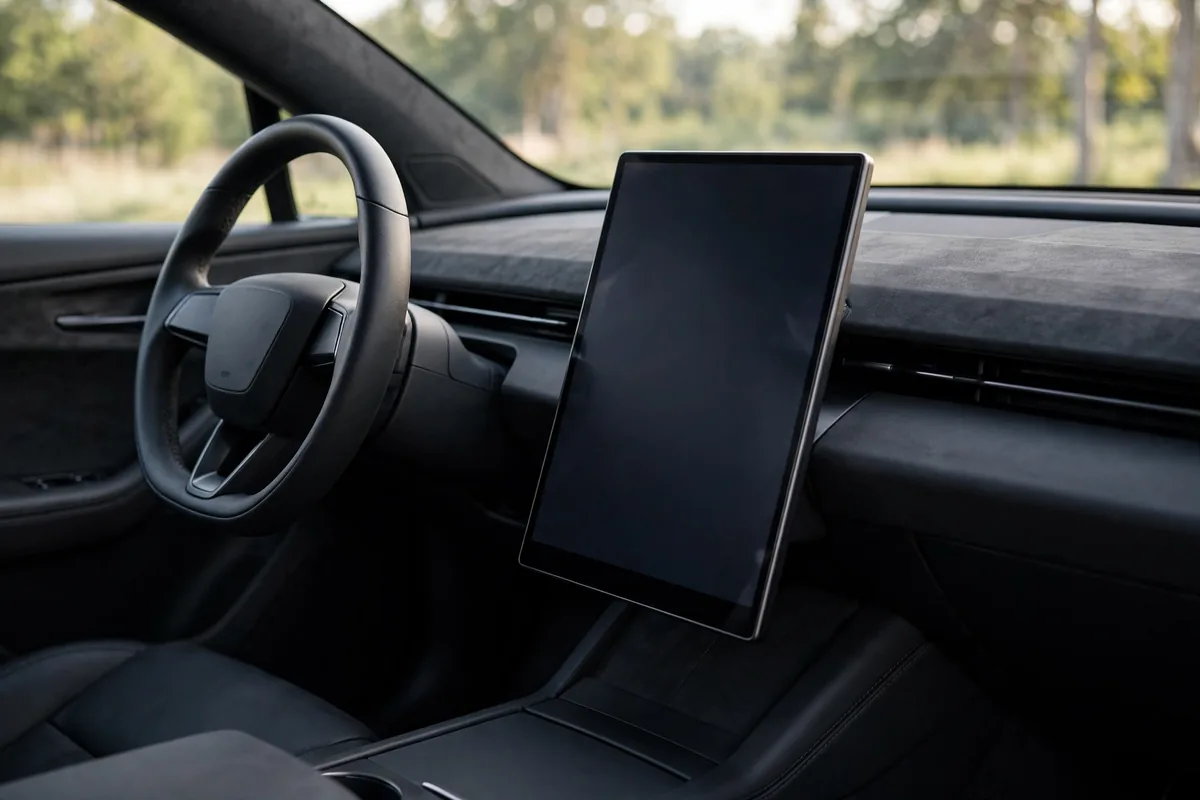
The short version: the 2026 interior finally looks like a $40,000+ car. The centerpiece is a 14-inch touchscreen running Subaru’s newest software, flanked by dual 15-watt wireless phone chargers on the redesigned center console.
The old Solterra’s cabin drew the other big round of launch criticism — cheap-feeling plastics and a cramped console. Subaru clearly listened. The new console frees up real storage space between the seats, the materials read a notch nicer, and there’s color-adjustable ambient lighting if you like that sort of thing at night.
Passenger space is genuinely good. Rear legroom and headroom fit six-footers without complaint, and the flat EV floor means the middle rear passenger doesn’t suffer the hump that combustion cars force on them. Cargo space is about 24 cubic feet behind the seats — squarely mid-pack for the segment, fine for groceries and gear, tight for four people’s ski luggage without folding seats.
EyeSight comes standard across the range: pre-collision braking, blind-spot monitoring, lane-departure alert, a panoramic-view camera, and adaptive cruise control. It’s one of the better driver-assist suites in the segment, and it isn’t paywalled behind the top trim.
How It Drives: Performance and AWD
The short version: confident, quiet, and very Subaru. The XT trims add genuine punch.
The base 233-horsepower setup is… adequate. It’s quicker off the line than any gas Subaru, because electric motors deliver full torque instantly, but it’s not going to thrill anyone coming from a performance car. The XT’s 338 horsepower is a different story — under five seconds to 60 mph puts it ahead of most family crossovers on the road, gas or electric.
All-wheel drive is standard on every Solterra, which matters. This is the only mainstream electric SUV at this price with Subaru’s full-time AWD and X-MODE terrain modes as standard equipment — the same rough-road logic that made the Outback and Forester famous. 8.3 inches of ground clearance is best-in-class territory for electric crossovers. If your life involves unplowed driveways, rutted dirt roads, or boat ramps, the Solterra’s case is stronger than the spec sheet alone suggests.
Ride quality got a retune for 2026 — firmer motor mounts, revised suspension, better sound deadening — and reviewers generally describe it as smooth and quiet on the highway. The steering is tuned for stability rather than playfulness. It won’t excite you on a back road, but it will get you through a snowstorm without drama, which is what Subaru owners actually ask for.
Solterra vs. the Competition
No car exists in a vacuum. Here’s how the 2026 Solterra stacks up against its closest rivals.
| Subaru Solterra | Hyundai Ioniq 5 | Kia EV6 | Tesla Model Y | |
|---|---|---|---|---|
| Base price | $38,495 | ~$43,000 | ~$43,000 | ~$45,000 |
| Max range (EPA) | 288 mi | ~318 mi | ~319 mi | ~353 mi |
| Max power | 338 hp | 320 hp | 320 hp | ~384 hp |
| DC fast charging | 150 kW | ~235 kW | ~235 kW | ~250 kW |
| Standard AWD | Yes | No | No | Yes (dual motor) |
| Ground clearance | 8.3 in | 6.1 in | 6.1 in | 6.6 in |
Prices are approximate manufacturer starting prices for 2026 model-year vehicles and move around with options and market adjustments — check current listings rather than treating these as quotes.
The pattern is clear: the Solterra undercuts the Korean twins and the Tesla on price, matches them on power (XT), but trails on range and charging speed. Where it wins decisively is bad-weather, bad-road confidence. The Hyundai and Kia are faster-charging and slightly longer-legged; the Solterra is the one you’d take camping in November.
Pros and Cons
| Pros | Cons |
|---|---|
| Standard AWD + 8.3″ ground clearance | Charging speed trails 800V rivals |
| Native NACS port (Supercharger access) | Range still shy of class leaders |
| Strong value — starts under $39k | No federal tax credit eligibility |
| Big interior refresh, 14″ screen | Cargo space is only mid-pack |
| XT trims: genuinely quick | Base trims feel merely adequate |
| Full EyeSight suite standard | Two-tone paint costs extra |
Ownership Costs: What to Actually Budget
The sticker price is only the beginning. Here’s the honest math:
- Electricity: At the U.S. average residential rate (roughly 17 cents per kWh), filling the 74.7 kWh battery costs about $12–13 and takes you ~288 miles. That works out to roughly 4.4 cents a mile — less than a third of what a 30-mpg gas car costs in fuel.
- Maintenance: No oil changes, no spark plugs, no transmission fluid. You’ll still do tires, brakes (less often, thanks to regenerative braking), and cabin filters. EVs aren’t maintenance-free, but they’re maintenance-light.
- Insurance: EVs can cost a bit more to insure because battery repairs are expensive. Get quotes before you buy — it varies wildly by state and insurer.
- Tires: EVs eat tires faster because of the weight and instant torque. Budget for it; don’t be surprised by it.
- Home charger: A decent Level 2 wall unit runs a few hundred dollars plus installation, which varies hugely depending on your electrical panel. Many owners find the 240-volt outlet + the car’s included mobile cord is enough, but check your situation.
Is the Subaru Solterra Right for You?
The short version: buy it if you want a Subaru that happens to be electric — not if you want the longest-range EV on the market.
The Solterra makes sense if: you drive in snow or on dirt roads regularly; you can charge at home; your daily driving stays under ~150 miles; you like the idea of an EV but want AWD standard and real ground clearance; you value Subaru’s safety tech.
Look elsewhere if: you can’t charge at home and would rely on public fast charging (the 150 kW peak will frustrate you); you regularly drive 300+ miles in a day; maximum cargo space is a priority; you want the fastest-charging EV in the class.
For Subaru loyalists, this is the car the Solterra should have been from day one. For everyone else, it’s now a legitimate contender instead of a compromise — as long as you value what Subaru values.
FAQs
How much does the 2026 Subaru Solterra cost?
Prices start at $38,495 for the Premium trim and run to $45,555 for the Touring XT, before the $1,450 destination charge. The Limited sits at $41,395 and the Limited XT at $42,895.
What is the range of the 2026 Subaru Solterra?
The EPA rates it at 288 miles for the Premium trim and 278 miles for the Limited, Limited XT, and Touring XT. Real-world range drops in cold weather and at sustained highway speeds, as with every EV.
Does the Subaru Solterra qualify for the federal tax credit?
No. It’s assembled in Japan, which disqualified it under the credit’s assembly rules, and the $7,500 federal EV credit ended on September 30, 2025. State and local incentives may still apply — check your area.
Can the Solterra use Tesla Superchargers?
Yes. The 2026 Solterra has a standard NACS charging port, so it plugs directly into Tesla Superchargers without an adapter.
How fast does the Subaru Solterra charge?
Up to 150 kW on DC fast chargers — roughly a 10–80% charge in 30 minutes. Home Level 2 charging refills it overnight.
Is the Subaru Solterra all-wheel drive?
Yes, dual-motor AWD is standard on every trim, paired with X-MODE off-road modes and 8.3 inches of ground clearance.
How does the Solterra compare to the Toyota bZ4X?
They share an EV platform co-developed by Subaru and Toyota, so the mechanicals are closely related. The Subaru differentiates itself with standard AWD across the range, X-MODE, more ground clearance, and adventure-oriented tuning. For broader automotive coverage, see The Modern Post.
Read Also: VIN Number Lookup (2026): Complete Guide to Decoding Your Vehicle’s VIN
Related Stories

2025 Lincoln Corsair Complete SUV Review (2026 Guide)
The 2025 Lincoln Corsair is a compact luxury SUV that pairs a quiet, comfortable cabin with a choice…
Bombardier Global 7500 Business Jet (2026 Guide)
The Bombardier Global 7500 is a long-range business jet built for nonstop intercontinental travel, with a four-zone cabin…

Transfer Case Transfer Case: Your 4WD Guide (2026)
A transfer case is the gearbox in a four-wheel-drive vehicle that splits engine power between the front and…