2025 Lincoln Corsair Complete SUV Review (2026 Guide)
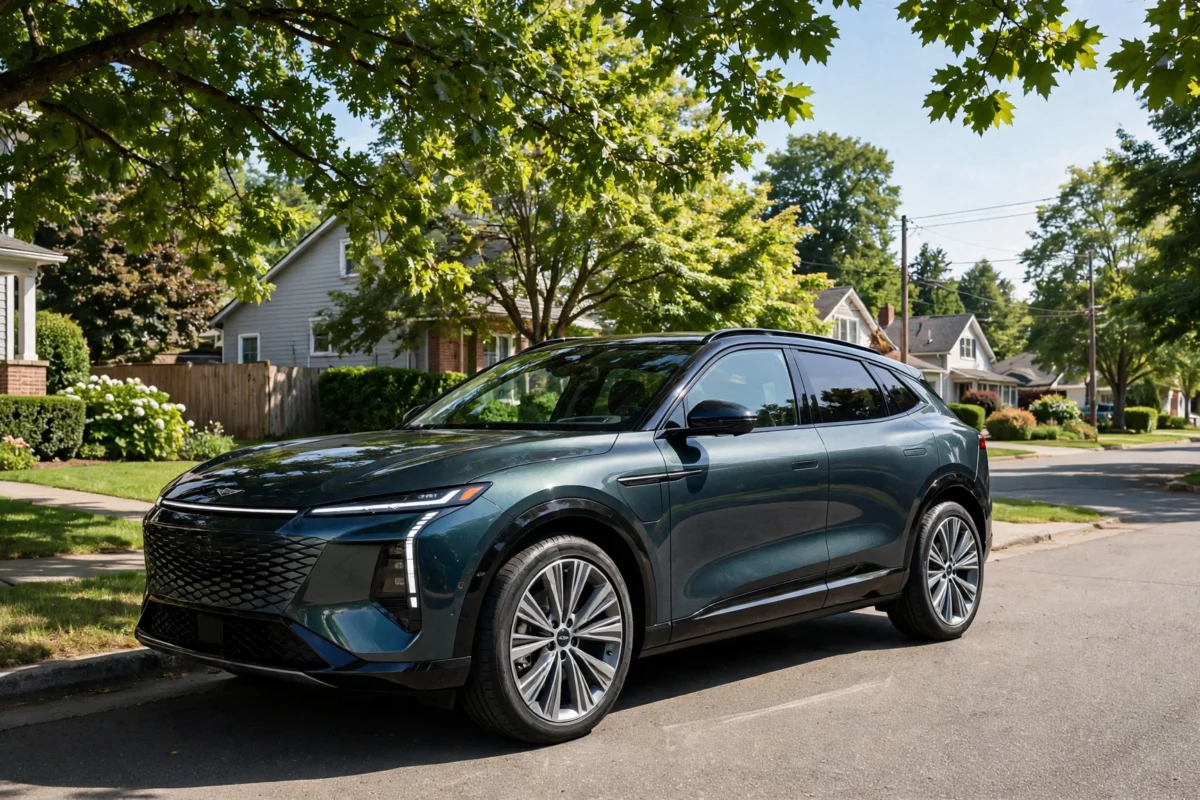
The 2025 Lincoln Corsair is a compact luxury SUV that pairs a quiet, comfortable cabin with a choice of turbocharged and plug-in hybrid power.
2025 Lincoln Corsair Complete SUV Review (2026 Guide)
The short version: the 2025 Lincoln Corsair is a compact luxury SUV for buyers who want comfort and quiet above sportiness. It rides smoothly, its cabin feels genuinely premium for the class, and it offers a plug-in hybrid version for drivers who want electric running for short trips with petrol backup for longer ones. It is not the sharpest-handling SUV in its segment, and its infotainment takes a little learning, but if your priorities are a calm commute, an easy long journey, and a cabin you enjoy sitting in, the Corsair deserves a place on your shortlist.
Lincoln’s smallest SUV competes in a crowded field. Rivals include well-established German and Japanese luxury compacts, all of which do certain things well. The Corsair’s argument is not that it beats every rival on every measure. It is that it offers a particular blend: American luxury comfort, a generous standard equipment list, and a hybrid option, at a price that often undercuts the German competition when similarly equipped. For many buyers, that blend is exactly right. This review looks at the trims, the cabin, how it drives, what it costs to run, and who should buy it, without hiding its weaker points.
Trims and Powertrains at a Glance
The 2025 Corsair lineup is refreshingly simple. The main trims are Premiere, Reserve, and Grand Touring, with the Grand Touring reserved for the plug-in hybrid powertrain. Premiere is the entry point but is far from basic, including leather-trimmed seating, a large touchscreen, driver assistance features, and a power tailgate among its standard kit. Reserve adds more luxury touches, such as upgraded leather, additional comfort features, and larger wheels. Grand Touring adds the plug-in hybrid system and its own set of premium features, aimed at buyers who want both luxury and electric driving for daily use.
Two powertrains cover the range. Most Corsairs use a turbocharged 2.0-litre four-cylinder engine producing around 250 horsepower, paired with an eight-speed automatic gearbox and a choice of front-wheel or all-wheel drive depending on trim and market. The Grand Touring uses a plug-in hybrid system based on a 2.5-litre engine plus an electric motor, with combined output in the region of 266 horsepower and all-wheel drive as standard. The hybrid can cover typical daily commutes on electric power alone when charged, though the exact electric range depends on driving style, temperature, and use of heating or air conditioning, so treat official figures as a guide rather than a promise.
| Trim | Powertrain | Best for |
|---|---|---|
| Premiere | 2.0-litre turbo petrol | Value and everyday luxury |
| Reserve | 2.0-litre turbo petrol | Extra comfort and features |
| Grand Touring | Plug-in hybrid | Short electric commutes plus long trips |
Pricing varies by trim, options, region, and current incentives, especially for the plug-in hybrid, where tax credits or rebates may apply depending on where you live and current rules. Rather than quoting a figure that may be out of date by the time you read this, check current pricing from dealers and compare like-for-like equipment, because option packages change the value equation significantly in this segment.
Inside: Quiet, Comfortable, and Well Finished
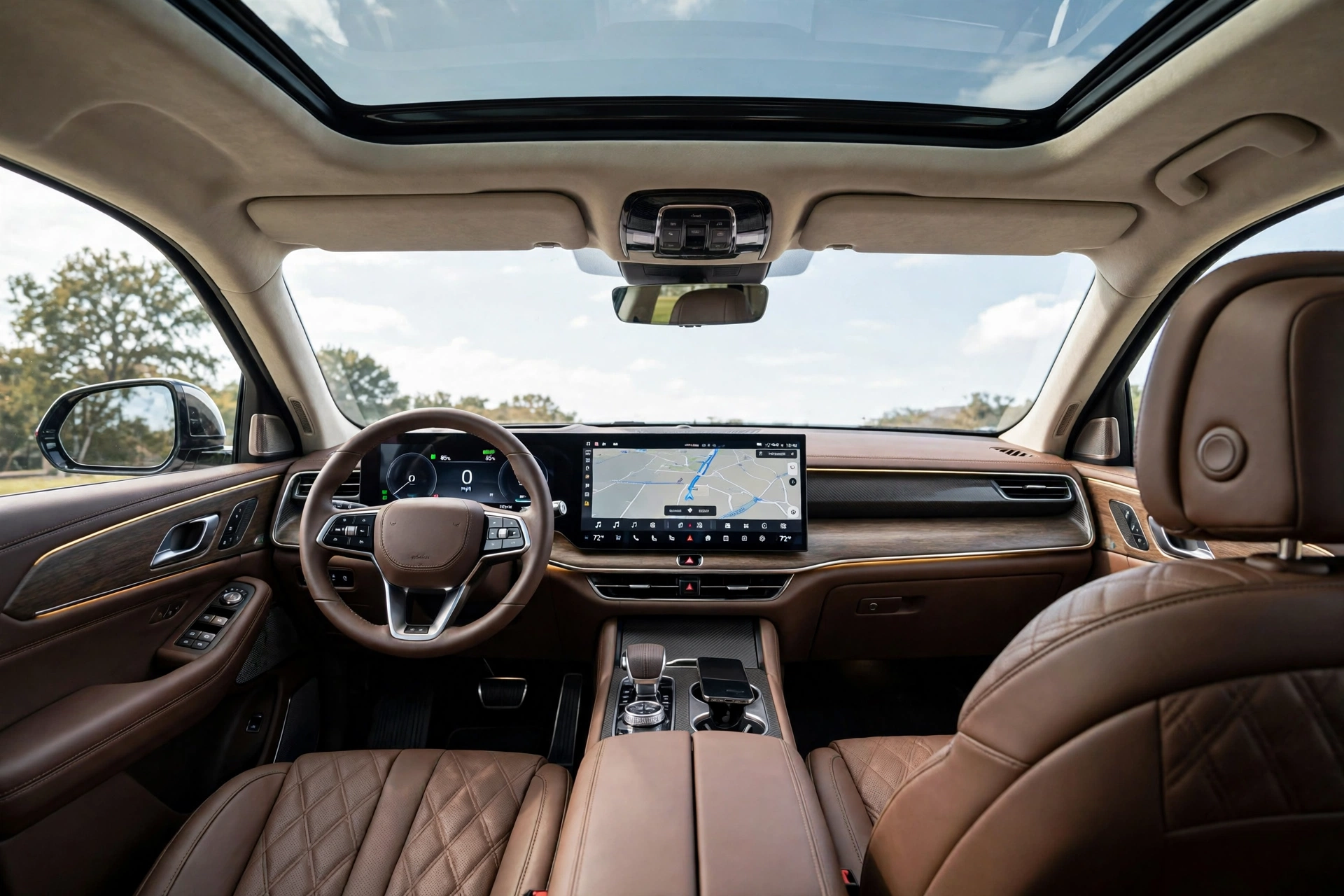
Step inside and the Corsair immediately feels like a step up from mainstream compact SUVs. Materials are soft where your hands land, the seats are broad and supportive, and road and wind noise are well suppressed. Lincoln calls its design philosophy quiet luxury, and in the Corsair that is more than a slogan: at motorway speeds the cabin stays calm enough for easy conversation, and the ride absorbs broken surfaces without fuss. For buyers who spend an hour or more commuting each day, that calm matters more than a sporty exhaust note or sharp steering ever will.
The front seats are comfortable over long distances, with good adjustment and, on higher trims, heating, ventilation, and massage functions. Rear seat space is generous for the class: two adults fit comfortably, and three can manage shorter trips. The rear seats slide and recline, which is a genuinely useful feature for balancing passenger legroom against cargo space. Headroom is adequate for most adults, though very tall passengers should check the panoramic roof version, which can trim a little headroom.
Technology centres on a large central touchscreen running Lincoln’s latest infotainment system, with wireless Apple CarPlay and Android Auto, a digital instrument display, and a suite of driver assistance features. The system looks modern and responds quickly, but the learning curve is real: some functions sit a few menus deep, and the touch-heavy layout takes a week or so to feel natural. Voice control helps, and once you have set up your preferences, daily use becomes second nature. A head-up display on higher trims is worth considering if you do a lot of motorway driving.
Step 1: Pick the Right Powertrain for Your Driving
Start with your mileage pattern. If most of your trips are short and you can charge at home, the Grand Touring plug-in hybrid can cover much of your driving on electricity, with petrol for longer journeys. If you regularly drive long distances, tow, or cannot charge easily, the turbo petrol model is simpler and avoids any charging routine. Do not buy a plug-in hybrid you never charge: without regular charging it carries extra weight for no benefit.
Step 2: Choose the Trim by Features, Not by Badge
Compare the equipment lists side by side and tick what you will actually use. Heated and ventilated seats, a better sound system, and driver assistance upgrades are worth paying for if you use them daily. Large wheels look good but can firm up the ride and cost more to replace, so test drive the exact wheel size you plan to buy. Option packages often bundle features, so a mid-trim with one package can offer better value than a top trim whose extras you do not need.
Step 3: Test Drive It the Way You Will Use It
Book a test drive that includes your real conditions: a motorway stretch, a rough local road, a car park manoeuvre, and a hill start if relevant. Listen for wind noise at speed, check rear visibility, try the parking aids, and sit in the back seats yourself. Bring the child seat or the golf clubs if they matter to you. A twenty-minute loop around a dealer does not tell you how the car feels after an hour, so ask for a longer drive where possible.
Step 4: Work Out the True Cost Before You Sign
Compare total costs, not just monthly payments: purchase price or finance terms, insurance, fuel or electricity, servicing, and expected depreciation. Plug-in hybrid buyers should check current incentives and whether they apply to their situation, since rules change. Get insurance quotes before committing, as luxury SUVs can surprise first-time buyers, and check servicing costs and intervals with the dealer so there are no surprises later.
How It Drives: Comfort First, Competence Second
On the road, the Corsair prioritises comfort, and it shows in the best way. The suspension soaks up potholes and broken tarmac with a softness that many rivals lack, and the steering is light and easy around town. At higher speeds the car feels stable and planted, though it leans more in corners than sportier rivals and the steering offers less feedback. Drivers who enjoy a winding road for its own sake may find it a little detached. Drivers who want to arrive relaxed will find it ideal.
The turbo engine provides strong mid-range pull for overtaking and motorway merging, and the gearbox shifts smoothly in normal driving. It is not a performance SUV, and it does not pretend to be: acceleration is brisk rather than thrilling, and that is fine for its intended role. The plug-in hybrid adds instant electric torque off the line, making town driving feel particularly smooth and quiet, and when the battery is charged it can run silently for local trips, which is a pleasant change from any petrol engine.
Fuel economy reflects the two powertrains honestly. The turbo petrol model returns respectable figures for a luxury SUV of this size, though enthusiastic driving and heavy traffic will raise consumption. The plug-in hybrid’s economy depends entirely on how often you charge: charged regularly and used for short trips, it can use very little petrol; used mainly on long motorway runs without charging, its advantage shrinks. Buyers should judge it on their own pattern, not on a single combined figure.
Practicality: Space for Real Family Life
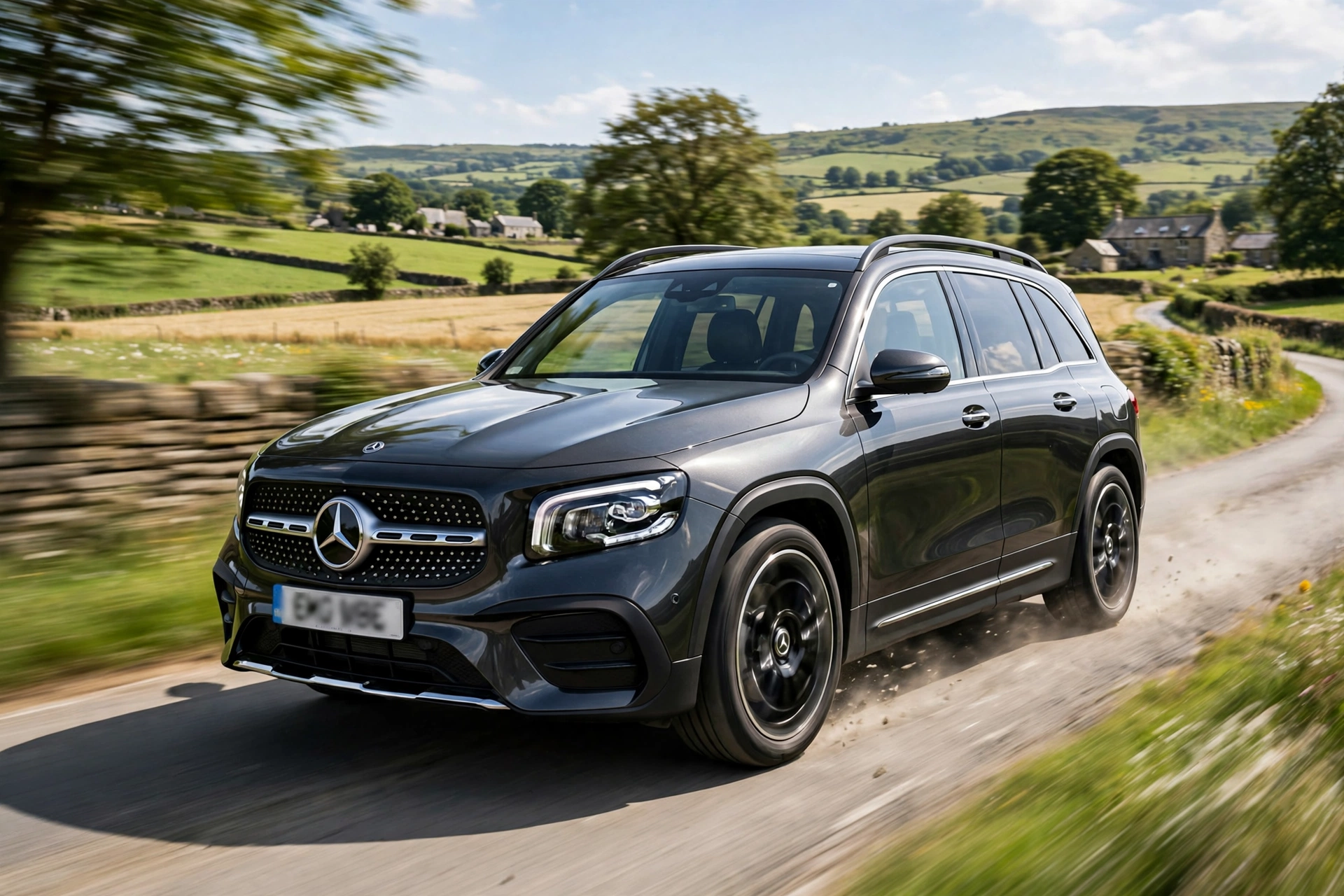
For a compact SUV, the Corsair is genuinely practical. Cargo space behind the rear seats handles a weekly shop, a couple of suitcases, or a folded pushchair without drama, and folding the rear seats opens up room for flat-pack furniture or sports gear. The sliding rear seats let you trade legroom for luggage when needed, which is more useful than it sounds on family trips where everyone brings too much. Small-item storage is good too, with a decent centre console, door bins, and a wireless charging pad on equipped models.
Towing is modest, as with most compact luxury SUVs, and buyers who tow regularly should check the rated capacity for the exact version they plan to buy, since it varies. Roof rails and accessory options cover bikes and roof boxes for holidays. The power tailgate with hands-free operation is standard on most versions and is one of those features you miss immediately when driving a car without it, especially with arms full of shopping.

Safety and Driver Assistance
Safety equipment is comprehensive. Standard features typically include automatic emergency braking, blind-spot monitoring, lane-keeping assistance, and rear cross-traffic alert, with adaptive cruise control and a surround-view camera available on higher trims or in packages. The systems intervene gently rather than abruptly, which suits the car’s calm character. As with any assistance system, they are aids, not replacements for attention: they work best on well-marked roads in good weather, and drivers should stay alert in rain, snow, or roadworks.
Crash-test results for the Corsair family have been strong in independent testing, though ratings can vary by model year and testing body, so check the latest results for the exact year you are buying. Child seat fitting is straightforward, with clear anchor points and wide-opening rear doors, and the rear doors open wide enough to make fitting a seat far less of a wrestling match than in some rivals.
Running Costs, Reliability, and Value
Running costs are in line with the luxury compact class: servicing at a main dealer costs more than a mainstream brand, insurance sits in a higher group, and tyres for larger wheels are pricier. The plug-in hybrid adds electricity costs but can save significantly on fuel for short-trip drivers, and brake wear is often lower thanks to regenerative braking. Over a typical ownership period, the difference between the Corsair and its rivals comes down less to servicing and more to depreciation and the deal you negotiate up front, so shopping around matters.
Reliability for recent Corsair models has been reasonable, with most complaints centring on infotainment quirks and minor electronics rather than major mechanical issues. As with any complex modern car, a full service history and a warranty check matter on used examples, and an extended warranty is worth pricing if you plan to keep the car beyond the standard cover. For buyers comparing running costs across different vehicles, the practical ownership guides at adailyinsight360 and homewaterinsights take a similar whole-cost approach.
| Strength | Weakness |
|---|---|
| Quiet, comfortable ride | Not the sharpest handler in class |
| Premium-feeling cabin | Infotainment takes time to learn |
| Plug-in hybrid option | Hybrid benefit depends on regular charging |
| Generous standard equipment | Option prices add up quickly |
| Flexible rear seats and cargo | Towing capacity is modest |
Who Should Buy the 2025 Lincoln Corsair
- Commuters who want a quiet, comfortable cabin for daily driving.
- Small families who need flexible rear seats and usable cargo space.
- Short-trip drivers with home charging who can benefit from the plug-in hybrid.
- Buyers moving up from a mainstream SUV who want luxury without a large SUV.
- Drivers who value ride comfort and equipment over sporty handling.
It suits less well if you want sharp handling, need to tow heavy loads, or prefer physical buttons for every function. In those cases, a sportier rival or a larger SUV may fit better, and a test drive will confirm it quickly.
Common Mistakes to Avoid
- Buying the plug-in hybrid without a realistic charging plan.
- Choosing large wheels for looks without testing the ride difference.
- Judging the infotainment on a five-minute dealer demo instead of a proper drive.
- Comparing monthly payments without checking total cost and equipment.
- Skipping insurance and servicing quotes until after signing.
- Forgetting to check rear-seat and cargo space with your own family gear.
FAQs
What trims does the 2025 Lincoln Corsair come in?
The main trims are Premiere, Reserve, and Grand Touring. Premiere covers everyday luxury, Reserve adds more comfort features, and Grand Touring is the plug-in hybrid version.
Is there a hybrid version?
Yes. The Grand Touring is a plug-in hybrid that can run on electric power for typical daily trips when charged, with a petrol engine for longer journeys. Its real benefit depends on regular charging.
How many seats does the Corsair have?
It seats five. Rear space is generous for the class, and the sliding rear seats let you balance passenger legroom against cargo space.
Is the Corsair good on fuel?
The turbo petrol model is respectable for a luxury SUV, while the plug-in hybrid can be very economical for short, charged trips. Long motorway runs without charging reduce the hybrid advantage.
Is it a good family car?
Yes, for small families. It offers flexible seating, decent cargo space, easy child-seat fitting, and a full set of driver assistance features, though larger families may want a bigger SUV.
Should I buy new or used?
New buys give you the latest tech and warranty, while a recent used example can offer strong value if it has a full service history. Check warranty remaining and infotainment software version on any used car.
The Bottom Line
The 2025 Lincoln Corsair succeeds by knowing what it is: a comfortable, quiet, well-equipped compact luxury SUV with a useful plug-in hybrid option. It will not thrill drivers who chase corners, but it will make daily driving calmer and long journeys easier, and for most buyers in this segment that is the better trade. Choose the powertrain that matches your mileage, pick the trim by features rather than badge, and test drive it properly before deciding. Done that way, the Corsair is an easy car to live with and a sensible buy.
Read Also: DJI Action 5 Action Camera Buying Guide (2026 Guide)
Related Stories

Bombardier Global 7500 Business Jet (2026 Guide)
The Bombardier Global 7500 is a long-range business jet built for nonstop intercontinental travel, with a four-zone cabin…

Transfer Case Transfer Case: Your 4WD Guide (2026)
A transfer case is the gearbox in a four-wheel-drive vehicle that splits engine power between the front and…
How to Lease a Toyota Tacoma (2026): Complete Guide to Deals, Costs & Terms
Leasing a Toyota Tacoma can cost less per month than you expect — but only if you understand…
1 response