Hogget Mutton Complete Guide: What It Is and How to Cook It (2026)
Hogget sits between lamb and mutton, and it deserves far more attention than it gets. Here is what it is, how it tastes, and how to cook it with confidence.
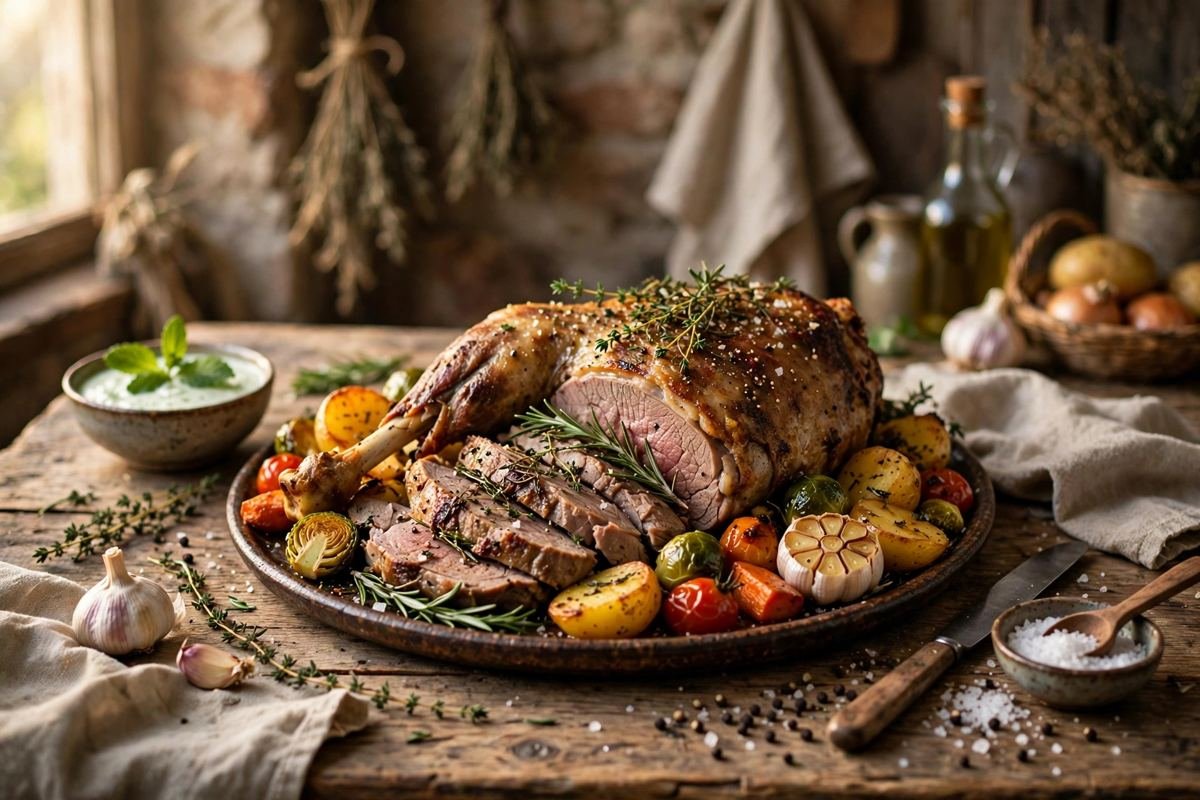
Hogget Mutton: The Complete Guide to What It Is and How to Cook It
The short version: hogget is meat from a sheep that is older than a lamb but younger than a fully mature mutton sheep. It offers deeper flavour than lamb, but it is generally more tender and less intensely flavoured than mutton. If you enjoy slow-cooked, richly flavoured meat and you are happy to give a joint time in the oven, hogget is well worth trying.
If you have ever stood at a butcher’s counter and wondered why one cut is labelled lamb, another mutton, and a third hogget, you are not alone. The names describe the age of the animal, and age changes almost everything about the meat: its flavour, its texture, how much fat it carries, and the cooking method that suits it best. Hogget occupies the middle ground, and that middle ground is exactly what makes it interesting.
This guide explains what hogget mutton is in plain terms, how it compares with lamb and mutton, what to look for when buying it, and how to cook it so it turns out tender and full of flavour. There are no fussy techniques here, just the kind of practical advice that works in an ordinary home kitchen.
What Is Hogget?
Hogget is meat from a sheep that is roughly between one and two years old. A lamb is a young sheep, usually under a year old. Mutton comes from a fully mature sheep, generally over two years old. Hogget falls in between: the animal has had time to develop more flavour than a lamb, but it has not yet reached the full maturity that gives mutton its famously strong character.
The word itself comes from farming language. A “hogget” traditionally referred to a young sheep, often one in its second year, and the term has stuck in butcher shops and farming communities, particularly in the United Kingdom, Ireland, Australia, and New Zealand. In some places you may also hear it spelled “hoggett,” but “hogget” is the more common form.
One thing worth knowing is that labelling can vary. Different countries, and sometimes different butchers, use slightly different age cut-offs for lamb, hogget, and mutton. If you are buying from a butcher, it is always worth asking how they define the term and what they recommend for the cut you are considering. A good butcher will be happy to explain, and that conversation alone can save you from cooking a cut the wrong way.
Hogget vs Lamb vs Mutton
The simplest way to understand hogget is to compare it with its two better-known neighbours. Each has its own strengths, and none of them is “better” in an absolute sense — it depends on what you want from the meal.
Flavour
Lamb is mild, delicate, and gently sweet. It is the flavour most people picture when they think of roast sheep meat. Hogget is richer and more distinctly “sheepy” than lamb, with a deeper, more savoury character. Mutton goes further still: it is bold, gamey, and intensely flavoured, which some people love and others find too strong.
If you have ever found lamb a little too mild for a slow-cooked stew, or mutton a little too assertive for a Sunday roast, hogget is the compromise that may suit you best. It brings real depth of flavour without overwhelming the dish.
Texture and tenderness
Young lamb is naturally tender, which is why it suits quick cooking methods such as grilling and pan-frying. As a sheep ages, its muscles work harder and its connective tissue develops, which makes the meat firmer. Hogget is firmer than lamb, but it is not tough in the way older mutton can be. With the right cooking — usually slower and gentler — hogget becomes beautifully tender.
Mutton, by contrast, almost always needs long, slow cooking to break down its connective tissue. That is not a flaw; it is simply the nature of mature meat, and slow cooking turns it into something wonderful. Hogget gives you more flexibility: some cuts can be roasted, while others reward braising and stewing.
Fat
Fat carries flavour, and hogget typically carries more fat than lamb. That fat is part of the appeal: it keeps the meat moist during longer cooking and adds richness to gravies and sauces. A well-trimmed hogget joint still has enough fat to stay juicy, and the fat itself, when rendered properly, is delicious.
Mutton tends to be fattier still, and its fat can have a stronger flavour. If you are trimming a hogget joint, you do not need to remove every scrap of fat. Leave a reasonable layer on a roast, score it lightly, and let the oven do the work.
Why Hogget Deserves More Attention
Hogget has a reputation problem, and it is mostly a problem of familiarity. Lamb dominates supermarket shelves, and mutton has a loyal but niche following. Hogget sits in between, less marketed and less understood, so many shoppers pass it by without realising what they are missing.
There are good reasons to give it a try. First, flavour: for slow-cooked dishes, hogget often delivers a more satisfying result than lamb, which can taste washed out after hours in a pot. Second, value: because it is less in demand than lamb, hogget is often available at a friendlier price from a butcher, though prices vary by region and season, so it is worth comparing locally rather than assuming. Third, versatility: hogget works across a wide range of dishes, from a slow roast to a hearty curry, a stew, or a shepherd’s pie with real depth.
There is also a sustainability angle worth mentioning. Sheep raised for a second year make use of pasture for longer, and choosing hogget can support farming systems that do not rush animals to market at the youngest possible age. That is not a reason on its own to buy it, but for shoppers who think about where their food comes from, it is a welcome bonus.
How to Buy Hogget
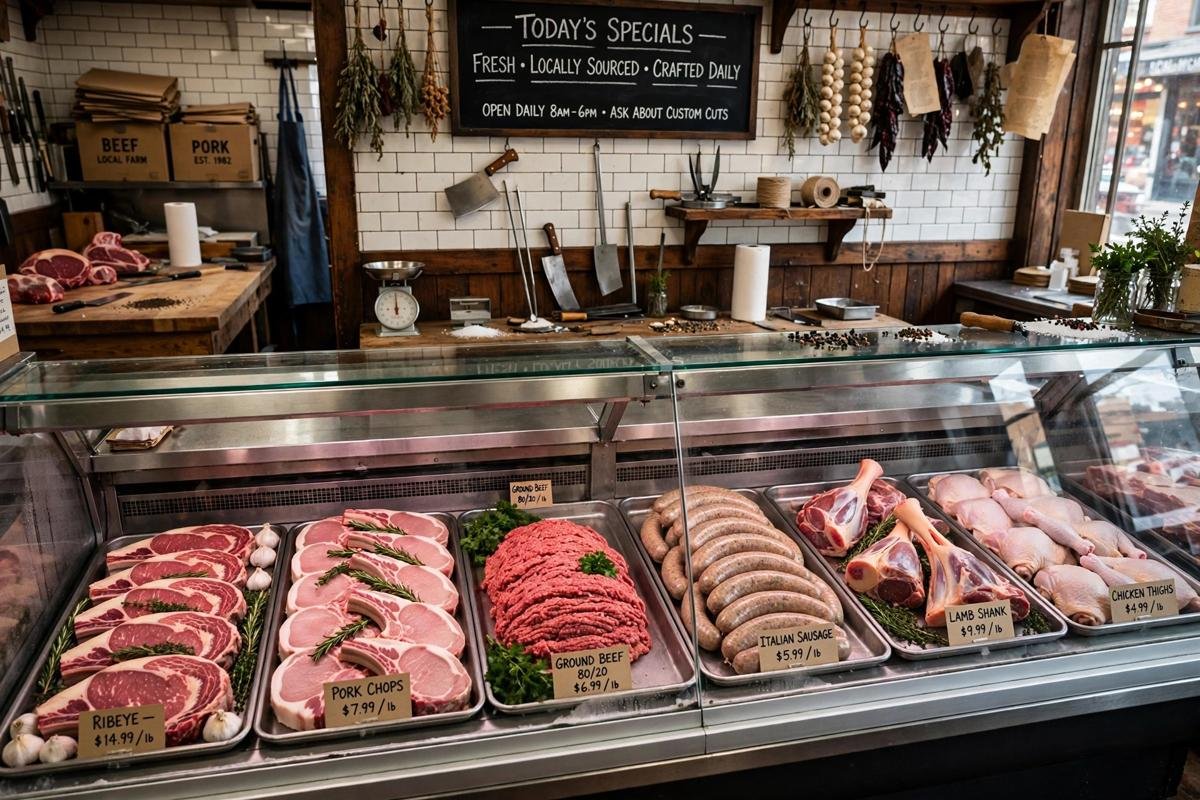
Because hogget is less common in supermarkets, your best bet is usually a local butcher or a farm shop. Some online meat suppliers also stock it, and farmers’ markets are another good place to look.
What to ask the butcher
When you buy hogget, a few questions will help you get the right cut:
- What age was the animal, and how does the butcher define hogget?
- Which cuts do they recommend for roasting, and which for slow cooking?
- How long should this particular joint cook, and at what temperature?
- Is the joint best cooked on the bone or boned and rolled?
A butcher who sells hogget regularly will answer these without hesitation, and their advice is often more useful than any generic cooking time because it is tailored to the exact piece of meat in front of you.
Choosing a good piece
Look for meat that is a rich, rosy red rather than pale or grey. The fat should be creamy white or slightly ivory, firm to the touch, and evenly distributed rather than patchy. Avoid meat that looks dried out at the edges or has an unpleasant smell. As with any fresh meat, buy from a source you trust, keep it refrigerated, and cook it within the timeframe the butcher suggests.
Cuts of hogget worth knowing
Hogget is sold in much the same cuts as lamb and mutton, and the cut matters as much as the age of the animal:
- Leg: the classic roasting joint. A leg of hogget, roasted slowly, is a superb centrepiece.
- Shoulder: fattier and full of connective tissue, which makes it ideal for slow roasting or braising until it falls apart.
- Neck and breast: economical cuts that shine in stews and braises, where long cooking turns them meltingly tender.
- Chops and cutlets: these can be grilled or pan-fried, but keep in mind that hogget is firmer than lamb, so avoid overcooking them.
- Diced hogget: sold ready for stews, curries, and pies.
If you are new to hogget, a shoulder or a leg is a forgiving place to start. Both are hard to ruin if you cook them low and slow and let them rest properly.
How to Cook Hogget: The General Principles
Cooking hogget well comes down to a few principles that apply to almost every cut. Get these right, and the details of any particular recipe become much easier.
Step 1: Bring the meat to room temperature
Take the joint out of the fridge around 30 to 60 minutes before cooking, depending on its size. Meat that goes into the oven fridge-cold cooks unevenly, with the outside overdone before the centre catches up. This step costs nothing and improves the result noticeably.
Step 2: Season generously
Hogget’s deeper flavour can handle bold seasoning. Salt and pepper are essential, and garlic, rosemary, thyme, and anchovy paste (a classic with roast sheep meat) all work beautifully. Rub the seasoning over the meat and into any scored fat. If you have time, season the joint the night before and leave it uncovered in the fridge; the surface dries out slightly, which helps with browning.
Step 3: Choose slow over fast for most cuts
For roasts, a moderate oven and a longer cooking time suit hogget better than a blast of high heat. A leg or shoulder benefits from being cooked until the meat is tender and yielding, rather than being pulled out at the first sign of doneness. For braises and stews, gentle simmering over a couple of hours is the way to go. The connective tissue needs time to convert into gelatin, and that gelatin is what gives slow-cooked hogget its silky, rich texture.
Step 4: Rest the meat
Resting is not optional. A roast should rest for at least 15 to 20 minutes, and a large joint benefits from 30 minutes, loosely tented with foil. During resting, the juices redistribute through the meat instead of running out onto the carving board. A rested joint carves more cleanly and tastes juicier.
Step 5: Use the pan juices
The juices left in the roasting pan are liquid gold. Deglaze the pan with a splash of water or stock, scrape up the browned bits, and turn it into a gravy. Hogget gravy, made this way, has a depth that shop-bought gravy simply cannot match.
Cooking Methods in Detail
Slow-roasted leg of hogget
A leg of hogget is a wonderful Sunday roast. Score the fat lightly, rub with salt, pepper, garlic, and rosemary, and roast at a moderate temperature until the meat is tender. Some cooks like to start the oven hot for the first 20 minutes to crisp the fat, then turn it down for the rest of the cooking time. Either way, use a meat thermometer if you have one, and remember that hogget is more forgiving than lamb when it comes to slightly longer cooking — a little extra time tends to make it more tender, not less.
Serve it with roast potatoes, seasonal vegetables, and a gravy made from the pan juices. Leftovers, if you are lucky enough to have any, make excellent sandwiches or a next-day shepherd’s pie.
Slow-cooked hogget shoulder
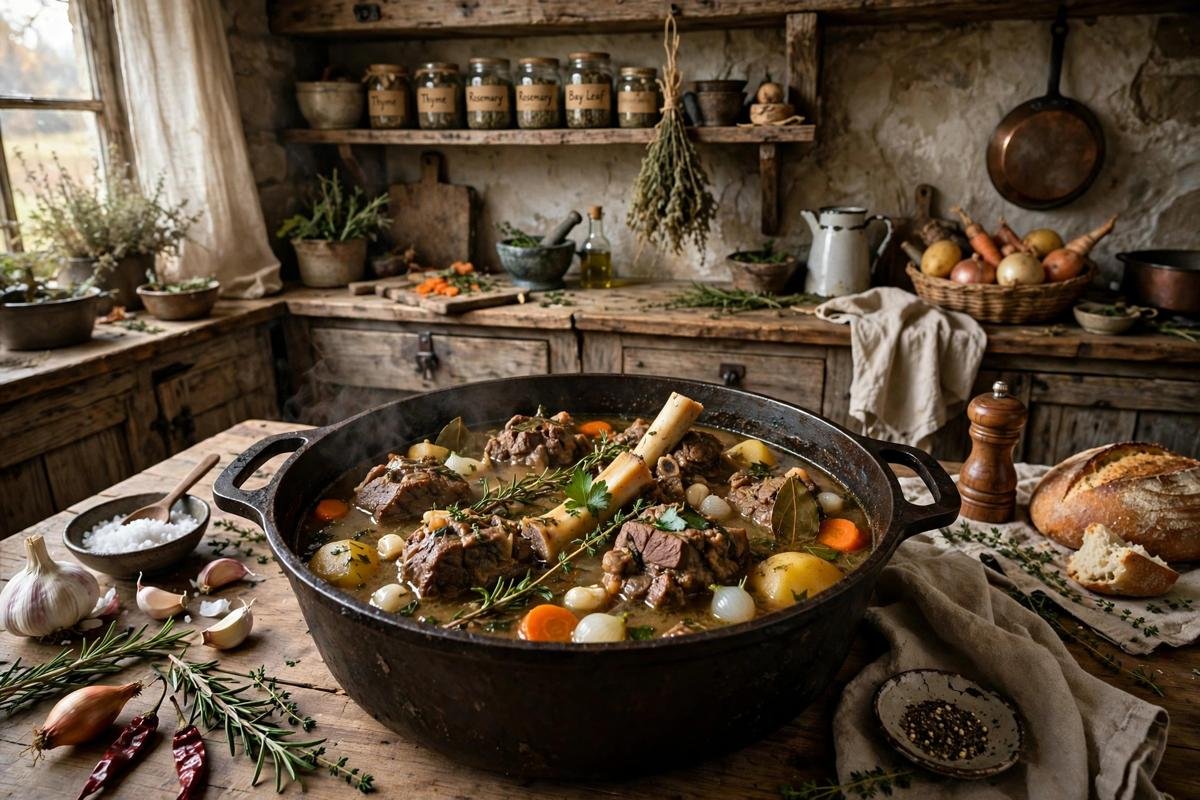
Shoulder is the cut that best shows off what hogget can do. It has more fat and connective tissue than the leg, which means it needs longer cooking — but the reward is meat that pulls apart with a fork. Cook it low and slow, either in the oven covered with foil or in a slow cooker, with onions, garlic, herbs, and a little stock or wine. After several hours, the meat will be meltingly tender and the cooking liquid will have become a rich sauce.
Hogget stew and braises
Diced hogget is made for the stew pot. Brown the pieces in batches first — do not crowd the pan, or the meat will steam rather than brown — then simmer gently with onions, carrots, celery, herbs, and stock until tender. This usually takes a couple of hours. The result is a stew with far more character than one made with lamb, and it improves if left overnight and reheated the next day.
Hogget curry
Hogget’s robust flavour stands up well to strong spices, which makes it a natural choice for curries. Diced hogget, simmered slowly in a spiced sauce, becomes tender while absorbing the flavours around it. Use a curry base you enjoy, keep the heat gentle, and give it time. Rushing a hogget curry is the one sure way to disappoint.
Grilling hogget chops
Chops and cutlets from hogget can be grilled or pan-fried, but treat them with a little more care than lamb chops. Cook them over medium-high heat, do not overcook them, and let them rest for a few minutes before serving. Marinating beforehand — in olive oil, garlic, lemon, and herbs — helps keep them moist and adds flavour.
Hogget Cooking Times and Temperatures: A Practical Guide
Exact cooking times depend on the size of the joint, whether it is on the bone, and your oven, so treat any timings as a guide rather than gospel. The table below gives a general sense of what to expect.
| Cut | Best method | General approach | What to look for |
|---|---|---|---|
| Leg (on the bone) | Roast | Moderate oven, longer than lamb | Tender meat that yields easily when carved |
| Shoulder | Slow roast or braise | Low and slow, covered for part of the time | Meat that pulls apart with a fork |
| Neck / breast | Stew or braise | Gentle simmer for a couple of hours | Meat that falls from the bone |
| Diced hogget | Stew or curry | Brown first, then simmer gently | Tender pieces in a rich sauce |
| Chops / cutlets | Grill or pan-fry | Medium-high heat, do not overcook | Juicy interior, browned exterior |
The single best investment for cooking hogget well is a meat thermometer. It removes the guesswork, and it is far more reliable than pressing the meat and hoping. If you do not have one, learn the feel of your cuts over time, and when in doubt, give a slow-cooked cut a little longer — toughness in hogget usually means it needs more time, not less.
Serving Suggestions
Hogget pairs beautifully with robust accompaniments. Roast potatoes, parsnips, and carrots are natural partners for a roast. For a stew or braise, mashed potatoes, creamy polenta, or crusty bread to mop up the sauce all work well. Mint sauce, the classic partner for lamb, also works with hogget, though a sharper, herb-based sauce or a redcurrant jelly can be a pleasant change.
For vegetables, think seasonal and simple: greens, glazed carrots, braised red cabbage, or a simple salad if the meal is rich. The meat is the star, so the sides should support it rather than compete with it.
Leftovers deserve a mention. Cold hogget slices beautifully for sandwiches with mustard and pickles. Diced leftover roast makes a superb shepherd’s pie, topped with mashed potato and baked until golden. And any leftover cooking liquid can be chilled, skimmed of fat, and used as a base for soup.
Common Mistakes to Avoid
Cooking it like lamb, quickly and briefly
The most common mistake is treating hogget exactly like lamb. A quick roast that suits a young lamb leg can leave hogget underdone in the middle and tough at the edges. Give it more time and a gentler heat.
Skipping the rest
Cutting into a roast straight from the oven loses juices that would otherwise stay in the meat. Resting is the easiest improvement you can make to any roast, and it costs nothing but patience.
Over-trimming the fat
Removing all the fat from a hogget joint before cooking is a mistake. Fat protects the meat during long cooking and adds flavour. Trim the excess, by all means, but leave a reasonable layer in place.
Crowding the pan when browning
When browning diced hogget for a stew, work in batches. Crowded meat steams instead of browning, and you lose the deep, caramelised flavour that makes a stew taste like it has been cooking all day.
Buying without asking questions
Hogget labelling varies, and not every cut suits every method. A quick conversation with the butcher about what you plan to cook is the best insurance against disappointment.
Storing and Freezing Hogget
Fresh hogget should be kept refrigerated and cooked within the timeframe your butcher recommends, typically a few days. If you are not cooking it straight away, freezing is a good option: wrap the joint tightly, label it with the cut and the date, and freeze it. Thaw frozen hogget slowly in the fridge — never at room temperature — and allow plenty of time for a large joint, which can take a day or more to thaw fully.
Cooked hogget keeps in the fridge for a few days and freezes well too, particularly stews and braises, which often taste even better after freezing and reheating. Cool cooked meat promptly, store it in airtight containers, and reheat it thoroughly.
Is Hogget Right for You?
Hogget is not for everyone, and there is no shame in preferring lamb. But if you enjoy rich, savoury flavours, if you like slow cooking, and if you are curious about meat beyond the supermarket staples, hogget is an excellent next step. It rewards patience, it suits a wide range of dishes, and it offers a flavour experience that sits in a satisfying middle ground: deeper than lamb, gentler than mutton.
Start with a shoulder or a leg from a butcher you trust, cook it low and slow, rest it properly, and make your gravy from the pan. That single meal is likely to tell you everything you need to know about whether hogget earns a regular place in your kitchen.
For more everyday food ideas and kitchen guidance, you may enjoy the related lifestyle coverage over at themodernpost.co.uk, which regularly explores home cooking and seasonal eating. If you are interested in how traditional foods fit into a wider view of everyday living, the lifestyle articles on adailyinsight360.com are also worth a browse.
FAQs
What exactly is hogget?
Hogget is meat from a sheep that is older than a lamb but younger than a fully mature mutton sheep, roughly between one and two years old. It has more flavour than lamb and is generally more tender and less strongly flavoured than mutton.
Is hogget the same as mutton?
No. Although the terms are sometimes used loosely, hogget and mutton describe different ages of sheep. Mutton comes from a fully mature animal, while hogget comes from a younger animal in its second year. Mutton tends to be stronger in flavour and firmer in texture.
Does hogget taste gamey?
Hogget tastes richer and more distinctly of sheep than lamb, but it is not usually described as gamey in the way older mutton can be. Most people find its flavour deep and savoury rather than overpowering, especially when it is slow-cooked.
Can I roast hogget like lamb?
You can, but you should allow more time and a gentler heat than you would for a lamb joint of the same size. Hogget benefits from slower cooking, and a roast taken out too early can be tough. Use a meat thermometer if you have one, and always rest the joint before carving.
Where can I buy hogget?
Local butchers, farm shops, and farmers’ markets are the best places to start, and some online meat suppliers stock it too. Supermarkets rarely label meat as hogget, so if you want to try it, a butcher is usually your best bet.
Is hogget good for stew?
Yes, hogget is excellent for stew. Its deeper flavour holds up to long, slow cooking, and diced hogget becomes tender and rich in a stew or braise. It is one of the best uses for the meat.
How should I store leftover hogget?
Cool leftovers promptly, keep them in airtight containers in the fridge, and eat them within a few days. Cooked hogget, especially stews and braises, also freezes well and can be reheated thoroughly for a later meal.
Read Also: Accordion Accordian: The Complete Beginner’s Guide to the Instrument
Related Stories
Rivet: Types, Uses, and How to Choose the Right One
From solid rivets in aircraft and bridges to pop rivets in DIY projects, here is how rivets work,…
Moldavite Crystal Meaning and Real vs Fake Guide
What moldavite is, where it comes from, what collectors mean by its energy, and the practical checks that…

Couples Therapy What to Expect First Session (2026 Guide)
A calm, honest walkthrough of the first couples therapy session — the structure, the questions, the ground rules,…