White Claw Complete Guide: Flavours, Varieties and What to Know (2026)
White Claw turned hard seltzer from a niche drink into a mainstream favourite. Here is what it is, how it tastes, and what to know before picking up a pack.

White Claw: The Complete Guide to the Hard Seltzer Everyone Is Talking About
The short version: White Claw is a brand of hard seltzer — sparkling water blended with alcohol and fruit flavouring — that became hugely popular for its light, crisp taste and easy-drinking style. It is lower in calories and sugar than many beers and mixed drinks, it comes in a wide range of flavours, and it is best served ice cold. As with any alcoholic drink, it should be enjoyed in moderation, and you should always check the rules and availability where you live.
If you have walked down the drinks aisle in recent years, you will almost certainly have seen the slim cans with the clean, wave-like branding. White Claw did not invent hard seltzer, but it did more than any other brand to bring it into the mainstream. What started as a relatively quiet product category became a cultural talking point, complete with its own slang, memes, and loyal fans.
This guide explains what White Claw actually is, how it is made, what the flavours taste like, how it compares with beer, wine, and cocktails, and what is worth knowing before you buy it. Whether you are curious, considering trying it, or just wondering what all the fuss is about, this is the plain-English overview.
What Is White Claw?
White Claw is a brand of alcoholic sparkling water, commonly known as hard seltzer. At its simplest, hard seltzer is carbonated water that has been fermented or blended with alcohol and flavoured, usually with fruit flavours. The result is a light, fizzy drink that tastes refreshing rather than heavy, sweet, or bitter.
White Claw is made by Mark Anthony Brands, the same company behind other well-known drinks brands. It launched in the United States in 2016 and grew rapidly, helped by a combination of timing, branding, and word of mouth. By the end of the decade it was one of the best-known names in the category, and it has since expanded into other markets, though availability varies by country and region. If you cannot find it where you live, that is usually a distribution or licensing matter rather than a sign that the brand has disappeared.
The drink is sold in slim cans, usually in multi-packs, and it is designed to be drunk cold, straight from the can or poured over ice. Its branding leans heavily on a clean, outdoorsy, beach-adjacent image: waves, sunshine, and a sense of easy, uncomplicated refreshment. That image is a big part of its appeal, and it is deliberately different from the darker, heavier branding of many beers and spirits.
How Is Hard Seltzer Made?
Hard seltzer production is simpler than brewing beer or making wine, though the details vary by producer. In general terms, the process starts with a fermented sugar base. Sugar is fermented with yeast to produce alcohol, and the resulting liquid is then filtered to remove colour and much of the flavour. Carbonated water and natural fruit flavourings are added, and the finished drink is canned.
The result is a drink that is typically clear, lightly flavoured, and effervescent. Because the base is filtered, hard seltzer does not taste like beer, which gets its flavour from malt and hops, or like wine, which gets its character from grapes. Instead, the flavour comes almost entirely from the added fruit flavouring, which is why the choice of flavour matters so much to the drinking experience.
White Claw describes its products as being made with a blend of sparkling water, alcohol, and natural flavours, and it is gluten-free. That last point matters to some drinkers, though anyone with a specific dietary concern should always check the label on the exact product they are buying, since recipes and labelling can change.
What Does White Claw Taste Like?
The most common description of White Claw is “light and crisp.” It is not sweet in the way a sugary cocktail or an alcopop is sweet, and it is not bitter like a hoppy beer. The dominant sensations are fizz, coldness, and a hint of fruit flavour that arrives on the finish rather than hitting you upfront.
Think of it less like a flavoured drink and more like sparkling water that happens to have a gentle fruit character and alcohol in the background. That lightness is precisely why many people like it: it is refreshing on a hot day, it does not feel heavy after one can, and it pairs easily with food because it does not overpower what you are eating.
That said, taste is personal. Some drinkers love the subtlety; others find it too faint and wish the flavour were stronger. If you are trying White Claw for the first time, it helps to manage expectations: this is not a fruit juice, a cocktail, or a craft beer. It is its own thing, and judging it against those categories will almost always leave you disappointed. Judge it as a light, fizzy, refreshing drink, and you will have a much fairer sense of whether it is for you.
White Claw Flavours: An Overview
One of White Claw’s strengths is the breadth of its flavour range. The core lineup has changed over time as new flavours are introduced and others are retired, so the exact selection available to you will depend on where and when you shop. The flavours below represent the kinds of options that have defined the brand.
The classic fruit flavours
The original range centred on simple, recognisable fruit flavours. Black Cherry became one of the brand’s signature flavours and a fan favourite, known for a deeper, slightly richer cherry character than the lighter citrus options. Mango offered a tropical sweetness that proved popular in warmer months. Natural Lime and Ruby Grapefruit gave the range its crisp, citrus backbone — clean, sharp, and refreshing.
These flavours remain the backbone of the brand for a reason: they are easy to understand, they taste like what they say on the can, and they work well served very cold.
Raspberry, watermelon, and other additions
As the range grew, White Claw added flavours such as Raspberry, Watermelon, Lemon, and Tangerine. Raspberry brings a soft, berry sweetness. Watermelon is light and summery, though some drinkers find it more subtle than expected. Lemon and Tangerine sharpen the citrus end of the range, offering a brighter, zestier alternative to lime.
Variety packs
For many buyers, the variety pack is the best way to start. These packs bundle several flavours together, which lets you try a range without committing to a full pack of one flavour you might not enjoy. Variety packs are also practical for gatherings, since different guests can pick the flavour they prefer. If you are buying White Claw for the first time, a variety pack is usually the sensible choice.
Limited editions and special releases
Like many drinks brands, White Claw periodically releases limited-edition flavours and seasonal packs. These are worth trying if you come across them, but they are not essential to understanding the brand. The core flavours tell you everything you need to know about what White Claw is.
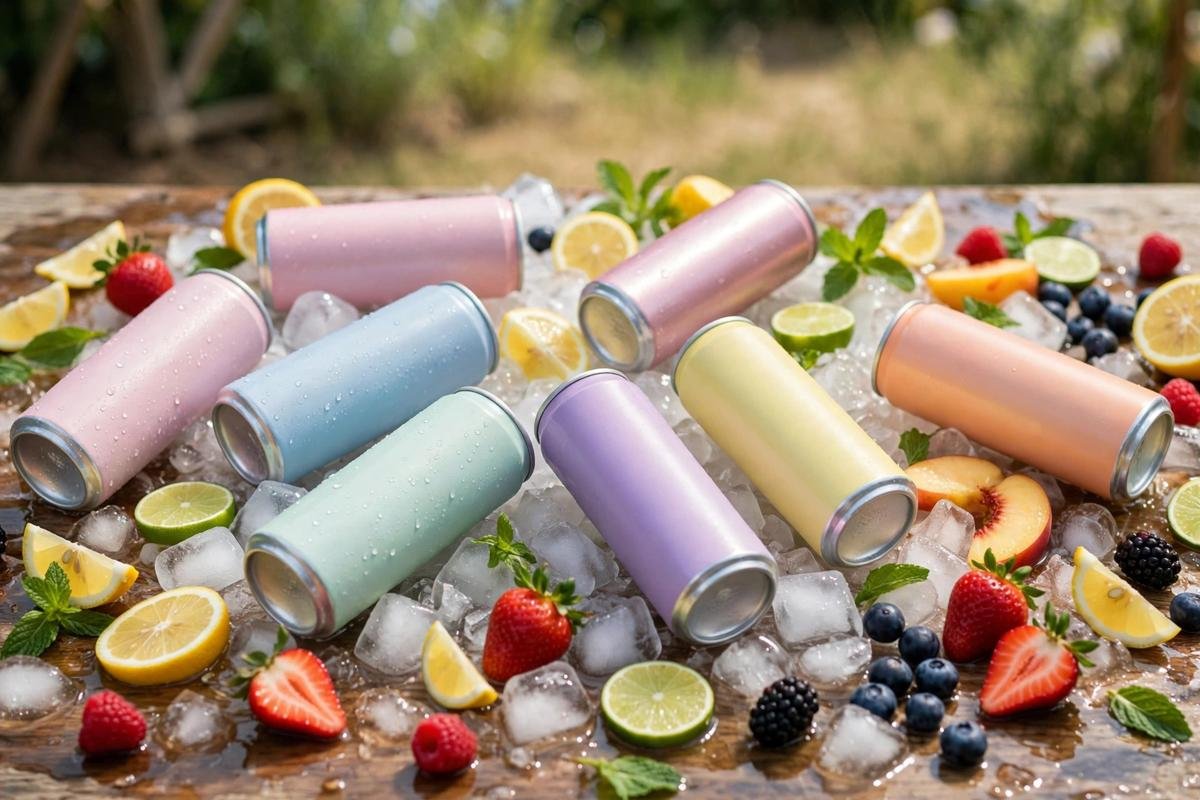
White Claw Varieties and Product Lines
Beyond the original hard seltzer, White Claw has expanded into related product lines over the years. The details vary by market, and not every line is available everywhere, so treat this as a general overview rather than a shopping list.
The original hard seltzer
This is the product most people mean when they say “White Claw.” It is the light, fruit-flavoured sparkling water with alcohol, sold in slim cans. If you are new to the brand, start here.
Higher-strength options
In some markets, White Claw has released stronger versions of its seltzer, aimed at drinkers who want a more potent option in the same light, fizzy format. These products are labelled clearly with their higher alcohol content, and they should not be confused with the original. Always read the label: two cans that look similar can contain different amounts of alcohol.
Non-alcoholic options
Reflecting the wider trend towards lower- and no-alcohol drinks, White Claw has also introduced non-alcoholic seltzer products in some markets. These offer the same kind of light, fruit-flavoured sparkling water experience without the alcohol. They are a useful option for designated drivers, for people who do not drink, or for anyone who wants the refreshment without the alcohol.
Other formats
White Claw is best known for its cans, but the brand has also experimented with other formats and related drinks, including flavoured offerings beyond the core seltzer range. Availability of these varies, and the core canned seltzer remains the brand’s defining product.
How White Claw Compares with Other Drinks
Understanding White Claw is easier when you compare it with the drinks people already know. The table below gives a general, qualitative comparison. Exact figures vary by product and market, so this is about character rather than precise numbers.
| Drink | Taste character | Body and feel | Best for |
|---|---|---|---|
| White Claw hard seltzer | Light, crisp, hint of fruit | Light, fizzy, refreshing | Hot days, casual gatherings, light refreshment |
| Lager or light beer | Malty, sometimes hoppy | Light to medium, smooth | Beer lovers, barbecues, pub settings |
| Wine | Fruity, tannic, complex | Medium to full | Meals, slower sipping, wine lovers |
| Cocktails | Sweet, sour, spirit-forward | Varies widely | Flavour-forward drinking, bars, occasions |
| Sparkling water (non-alcoholic) | Clean, lightly flavoured or plain | Light, fizzy | Anytime refreshment without alcohol |
The key point is that White Claw is not trying to be beer, wine, or a cocktail. It occupies its own space: lighter than all three, more refreshing than most, and less complex by design. People who enjoy it tend to value that simplicity rather than seeing it as a drawback.
Calories, Sugar, and Nutrition: What to Know
One of the reasons hard seltzer took off is that it is perceived as a lighter option than many alcoholic drinks. A standard can of White Claw is generally marketed as containing around 100 calories, with little or no sugar, depending on the flavour and market. That is less than many beers and substantially less than most cocktails, which can be loaded with sugar from mixers and syrups.
A few cautions are worth keeping in mind. First, exact nutritional figures vary by product, flavour, and country, so the label on the can you are holding is the only authoritative source. Second, “lower calorie” does not mean “calorie-free,” and several cans add up. Third, and most importantly, no alcoholic drink is a health drink. The calorie comparison is useful if you are choosing between alcoholic options, but it is not a reason to drink more.
If you are tracking calories, sugar, or alcohol intake for health reasons, read the label carefully and consider speaking with a healthcare professional about what is appropriate for you. This guide is not medical advice, and it does not replace it.
How to Serve White Claw
White Claw is a simple drink, and serving it well is mostly about temperature and glassware — or the lack of it.
Step 1: Chill it thoroughly
White Claw is at its best ice cold. Keep the cans in the fridge, and if you are heading outdoors, use a cooler with ice. A lukewarm hard seltzer loses much of its appeal: the fizz feels flatter, the flavour feels thinner, and the refreshment factor drops sharply.
Step 2: Decide on can or glass
Drinking from the can is perfectly fine and is how most people enjoy it. If you prefer a glass, pour it into a tall glass over ice. Pouring over ice can sharpen the refreshment on a hot day, though it will dilute the drink slightly as the ice melts.
Step 3: Add a garnish if you like
A garnish is optional, but it can lift the experience. A wedge of lime suits the citrus flavours, a few fresh berries complement the berry flavours, and a slice of cucumber adds a clean, summery note to almost any flavour. Keep it simple: the drink is designed to be light, and a heavy garnish works against that.
Step 4: Pair it with the right food
Because White Claw is light and crisp, it pairs well with foods that are themselves fresh and light: grilled chicken, fish tacos, salads, ceviche, and summer vegetables. It also works with salty snacks and barbecue food, where its fizz and lightness cut through richness. It is less suited to very heavy, rich dishes, where a fuller-bodied drink might be a better match.
Step 5: Pace yourself
This step matters more than the others. Hard seltzer is easy to drink, and that ease can be deceptive. The lightness of the drink does not mean the alcohol is absent. Pace yourself, alternate with water, and know your limits. If you are hosting, make sure water and non-alcoholic options are easily available too.

The White Claw Phenomenon: Why Did It Become So Popular?
White Claw’s rise was not an accident, and it is worth understanding because it explains a lot about modern drinking culture.
First, timing. Hard seltzer arrived just as many drinkers were looking for lighter alternatives to beer and sugary mixed drinks. The broader wellness and moderation trends — fewer calories, less sugar, a cleaner image — all pointed in the same direction, and White Claw was well placed to benefit.
Second, branding. White Claw’s clean, minimal design stood out on shelves crowded with busy, aggressive beer branding. It looked modern, approachable, and unisex, which broadened its audience beyond the traditional beer drinker.
Third, word of mouth and social media. White Claw became a meme, a catchphrase, and a cultural reference point. The famous slogan about there being “no laws” when drinking a White Claw (a joke, not legal advice, and certainly not a real rule) captured the drink’s carefree image and spread far beyond its actual customer base.
Fourth, accessibility. Hard seltzer is easy to understand, easy to buy, and easy to drink. You do not need to know anything about hops, vintages, or cocktail recipes to enjoy it. That low barrier to entry helped it reach people who might never have considered themselves “drinkers” in the traditional sense.
The boom also attracted many competitors, and the hard seltzer market is now crowded. White Claw remains one of the most recognisable names in it, but it is no longer the only option, and many beer, spirits, and drinks brands now offer their own seltzers.
Buying White Claw: Practical Tips
Check local availability and laws
Availability and alcohol regulations vary by country, state, and region. White Claw is widely available in the United States and in a growing number of other markets, but it may not be sold where you live, and local laws govern who can buy it, where it can be sold, and where it can be consumed. Always check the rules in your area and respect them. This guide does not encourage drinking where it is not permitted.
Read the label
Different White Claw products can look similar but differ in alcohol content, flavour, and whether they contain alcohol at all. Before you buy or drink, read the label on the actual product. Pay attention to the alcohol by volume (ABV) figure, the flavour, and whether the product is alcoholic or non-alcoholic.
Start with a variety pack
If you are new to the brand, a variety pack is the best value way to discover which flavours you like. Buying a full pack of a single flavour you have never tried is a gamble; a variety pack spreads the risk.
Store it properly
Keep White Claw refrigerated and drink it cold. It does not need special storage beyond that, but like any carbonated drink, it is best enjoyed fresh. Avoid leaving cans in a hot car or in direct sunlight for long periods.
Consider the occasion
White Claw suits casual, outdoor, and social occasions: barbecues, beach days, picnics, and relaxed gatherings. It is less suited to formal dinners or occasions where a more complex drink is expected. Matching the drink to the occasion is part of enjoying it well.
Responsible Drinking
This section is not a lecture, but it is important. White Claw is an alcoholic drink, and it should be treated as one, however light and easy-drinking it feels.
Drink in moderation, and be aware that the lightness of hard seltzer can make it easy to drink more quickly than you would a heavier drink. Do not drink and drive. Do not drink if you are under the legal drinking age in your area, pregnant, or advised not to drink for medical reasons. If you ever feel that your drinking is becoming a problem, support is available from healthcare professionals and alcohol support organisations in your country.
The social image around White Claw — carefree, beachy, lawless fun — is marketing and meme culture, not a guide to behaviour. Enjoy the drink, but keep the laws, your health, and the people around you firmly in mind.
For readers interested in how popular culture and everyday products shape modern lifestyles, the lifestyle coverage on themodernpost.co.uk offers related reading. And if you enjoy exploring how food and drink trends fit into a broader view of daily life, you may also like the lifestyle articles on homewaterinsights.com.
FAQs
What is White Claw?
White Claw is a brand of hard seltzer: sparkling water blended with alcohol and natural fruit flavouring. It is light, crisp, and fizzy, and it is sold in slim cans in a range of fruit flavours.
Is White Claw beer?
No. White Claw is not beer. Beer is brewed from malted grain and hops, while hard seltzer is made from a fermented sugar base blended with carbonated water and flavouring. The two drinks taste quite different, and White Claw does not taste like beer.
Is White Claw gluten-free?
White Claw is marketed as gluten-free. However, recipes and labelling can change, and different markets may have different formulations, so always check the label on the product you are buying if this matters to you.
What is the most popular White Claw flavour?
Flavour popularity varies over time and by market, but Black Cherry and Mango have consistently been among the brand’s most talked-about flavours, and variety packs remain a popular way to try the range. Your own favourite may well be different, which is part of the fun.
How many calories are in a White Claw?
A standard can is generally marketed as containing around 100 calories, with little or no sugar, but exact figures vary by flavour, product, and market. Check the label on your can for the precise figure.
Is White Claw available outside the United States?
White Claw has expanded into a number of markets beyond the United States, but availability varies by country and region. If you cannot find it locally, check with local drinks retailers or the brand’s own channels for your market.
Can I drink White Claw if I do not drink alcohol?
The original White Claw products contain alcohol, but the brand has introduced non-alcoholic seltzer options in some markets. If you do not drink alcohol, look specifically for a product labelled non-alcoholic, and check the label carefully before buying.
What food goes well with White Claw?
Light, fresh foods work best: grilled chicken, fish tacos, salads, ceviche, and summer vegetables, as well as salty snacks and barbecue food. The drink’s lightness and fizz complement fresh flavours and cut through richness.
How should White Claw be served?
Serve it ice cold, either straight from the can or poured over ice in a tall glass. A simple garnish such as a lime wedge or fresh berries is optional. The most important thing is the temperature: warm hard seltzer is a poor experience.
Is White Claw a healthy drink?
No alcoholic drink is a health drink. White Claw is lower in calories and sugar than many alcoholic alternatives, but it still contains alcohol, and it should be enjoyed in moderation as part of an overall balanced approach to drinking.

Read Also: Accordion Accordian: The Complete Beginner’s Guide to the Instrument
Related Stories

Rivet: Types, Uses, and How to Choose the Right One
From solid rivets in aircraft and bridges to pop rivets in DIY projects, here is how rivets work,…
Moldavite Crystal Meaning and Real vs Fake Guide
What moldavite is, where it comes from, what collectors mean by its energy, and the practical checks that…

Couples Therapy What to Expect First Session (2026 Guide)
A calm, honest walkthrough of the first couples therapy session — the structure, the questions, the ground rules,…
1 response