Honda Grom (2026): Complete Buyer’s Guide to the MiniMOTO Street Bike
The Honda Grom is one of the most approachable motorcycles ever sold. This guide walks you through deciding if it's right for you, buying new or used, and owning it without regrets.
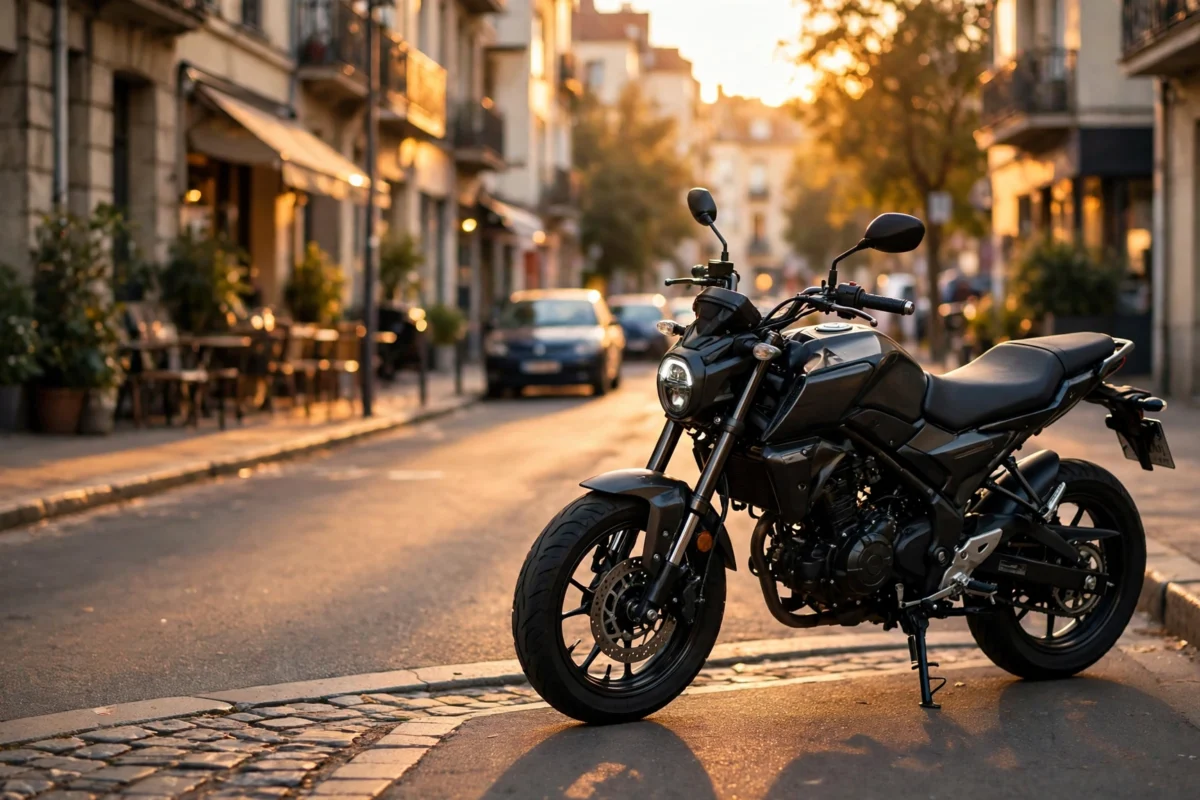
If you’ve ever seen a small motorcycle darting through traffic and wondered what on earth it was, chances are it was a Honda Grom. It’s tiny, it’s cheerful-looking, and it has probably converted more curious onlookers into riders than any full-size sportbike ever will. For a lot of people, the Grom is the first motorcycle that actually looks fun rather than intimidating.
The Grom sits at the center of Honda’s miniMOTO lineup — a class of small, street-legal motorcycles built around approachable size and simple, easygoing engineering. It has a loyal following that spans college students, seasoned riders who bought one as a toy, and commuters who just wanted something cheap and easy to run. If you’re thinking about joining them, this guide walks you through everything that matters: what the Grom is, whether it fits your life, how to buy one new or used, and how to own it without any unpleasant surprises.
The short version: the Honda Grom is a small-displacement, air-cooled single-cylinder street bike that punches way above its size in fun factor. It’s an excellent choice as a first bike, a commuter, or a second bike for experienced riders who want something lighthearted. Buy new if you want warranty and peace of mind; buy used if you want value, but inspect carefully. Running costs are genuinely low — fuel, tires, and insurance all cost less than on a full-size bike. Read on for the full picture.
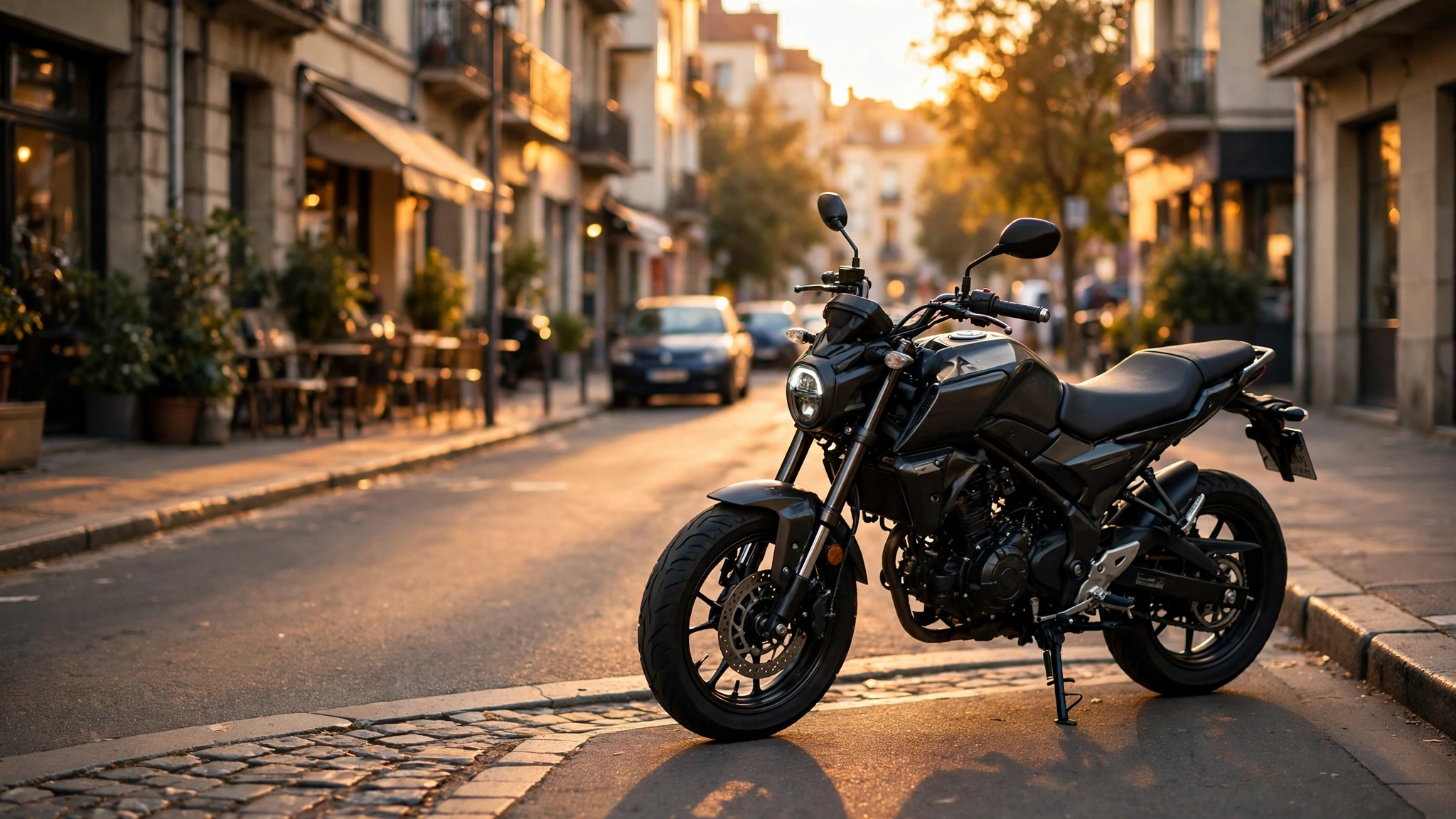
What exactly is a Honda Grom?
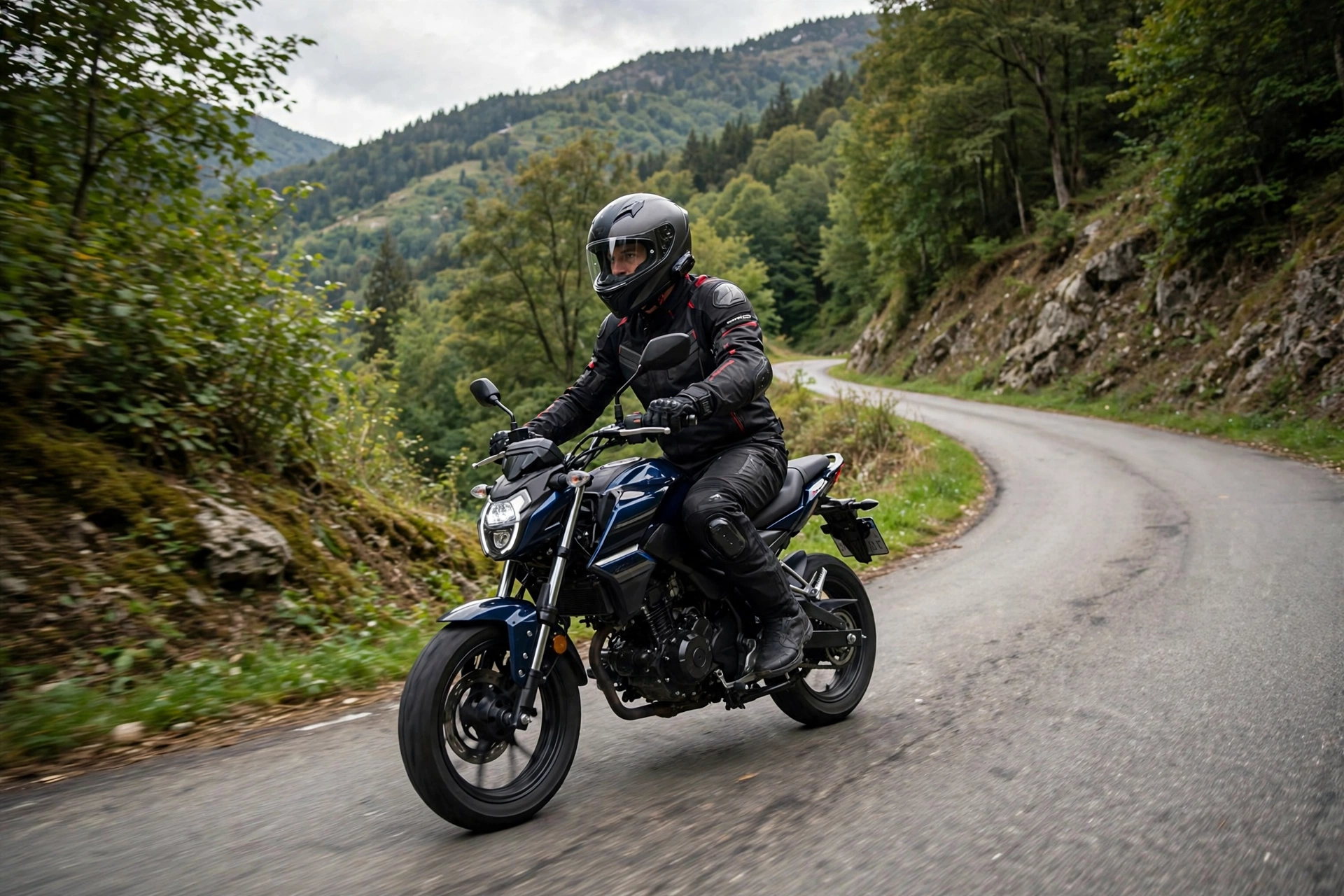
At its core, the Grom is a small street motorcycle with a 125cc-class engine — a single-cylinder, air-cooled four-stroke motor paired with a manual gearbox. It rolls on 12-inch wheels, which is noticeably smaller than the 17-inch wheels on most full-size street bikes. That combination — small engine, small wheels, and a low seat — gives it a compact footprint that makes it feel approachable the moment you sit on one. The riding position is upright and relaxed, and the whole bike feels more like a grown-up pit bike than a “real” motorcycle in the intimidating sense.
That last point is important, because the Grom is absolutely a real motorcycle. It’s street-legal, it has a proper manual clutch and multi-speed transmission, and it requires a motorcycle license or endorsement in most places (check your local rules — this varies). The manual transmission is a big part of the appeal: you learn real riding skills — clutch control, shifting, throttle management — on a bike that forgives mistakes. Drop the clutch too fast on a big bike and you might regret it; on a Grom, it’s a lesson, not a disaster.
Over its model history, the Grom has seen styling and mechanical updates, but the formula hasn’t changed: keep it small, keep it simple, keep it fun. The current generation carries sharper styling and refined details compared to the original, but it’s still instantly recognizable as the little bike that started a whole scene.
Why the Grom became a phenomenon
The Grom didn’t get popular by accident. It arrived at a moment when motorcycling felt, to many people, like an expensive hobby with a steep learning curve. The Grom flipped that: here was a new bike that was relatively affordable, cheap to insure, and so approachable that even people who had never touched a motorcycle could imagine themselves on one.
Then something unexpected happened. Experienced riders started buying them too — as pit bikes for track days, as around-town runabouts, as pure fun machines. Group rides of dozens of Groms became a thing. Customization took off, with owners swapping bars, exhausts, and bodywork to make each bike their own. The bike’s simplicity made it a natural canvas. Somewhere along the way, the Grom stopped being just a product and became a subculture.
That matters for you as a buyer, because it means two things: first, there’s a deep pool of used bikes and a mountain of shared knowledge out there. Second, the Grom holds its value reasonably well for a small bike — owners tend to keep them and buyers keep wanting them.
Honda Grom at a glance
| Aspect | What to know |
|---|---|
| Category | miniMOTO small street bike |
| Engine | Small-displacement (125cc class), air-cooled single-cylinder |
| Transmission | Manual clutch and multi-speed gearbox |
| Wheels | Small-diameter (12-inch class) — nimble, not highway-touring spec |
| Typical use | City commuting, short trips, learning to ride, pure fun |
| Rider profile | New riders, returning riders, commuters, experienced riders wanting a second bike |
| Running costs | Low — modest fuel use, affordable tires and maintenance |
| License | Typically requires a motorcycle endorsement (varies by location — check local rules) |
Step 1: Deciding if the Grom fits you
Start with the honest question: what do you actually want the bike for? The Grom shines brightest in a specific set of jobs. City commuting? Brilliant — it’s narrow, light, and easy to park. Learning to ride? One of the best choices you can make — it’s forgiving, and the skills transfer directly to bigger bikes. Short weekend joyrides, campus transport, or a track-day pit bike? All great fits.
Where it doesn’t shine: sustained highway riding. A 125cc-class bike can hold highway-ish speeds on flat ground, but it’s working hard, and hills and headwinds remind you exactly how small the engine is. If your daily route is mostly motorway miles, a larger bike will serve you better. The Grom is a city and backroad specialist, and it’s refreshingly honest about that.
Size and ergonomics matter too. The Grom is small — riders around average height or shorter will find it comfortable. Taller riders can still enjoy it (plenty do, and the aftermarket offers bar risers and seat options), but if you’re very tall, sit on one before committing. Any dealer with a Grom on the floor will let you do that, and five minutes on the seat tells you more than any spec sheet.
Finally, think about your mindset. The Grom rewards riders who are in it for fun. If you’re the kind of person who’d giggle at a bike wheelieing in first gear or threading through a gap in traffic, you’re the target audience. If you’re already dreaming about top speed figures, you probably are not.
Step 2: New vs used — how to choose
This is the big fork in the road, and there’s no single right answer. Here’s how to think through it.
Buy new if: you want the full warranty, you want to know exactly how the bike was broken in, and you’d rather not play detective on a used machine. A new Grom gives you a clean slate — no mystery crashes, no neglected maintenance, no previous owner’s questionable modifications. For a first-time buyer who isn’t mechanically confident, that’s worth a lot of peace of mind.
Buy used if: you want the best value. The Grom market is full of used bikes, because owners buy them as toys, ride them for a season or two, and sell them. Used prices are typically well below new, and many used Groms have very low mileage. The flip side: used bikes carry history you can’t always see, and beginners often can’t spot problems. If you’re not mechanically savvy, bring someone who is — or budget for a pre-purchase inspection at a shop.
One thing working in your favor either way: the Grom’s simplicity means there’s not much to hide. It’s an air-cooled single with basic components. Problems are usually visible and fixes are usually affordable. That said, heavily modified used Groms deserve extra scrutiny — stunt riding and cheap bolt-ons leave marks, as we’ll cover next.
| Buying new | Buying used |
|---|---|
| Full warranty, known history | Lower price, often lightly used |
| No hidden damage or neglect | Big market — lots of choice |
| You control the break-in | May come with useful accessories already fitted |
| Higher upfront cost | No warranty (or limited), unknown history |
| Depreciation hits you, not someone else | Needs careful inspection before purchase |
Step 3: Inspecting a used Grom
If you’re going used, this step is where you earn your discount. Take your time, bring a flashlight, and don’t let excitement rush you. Here’s a practical checklist.
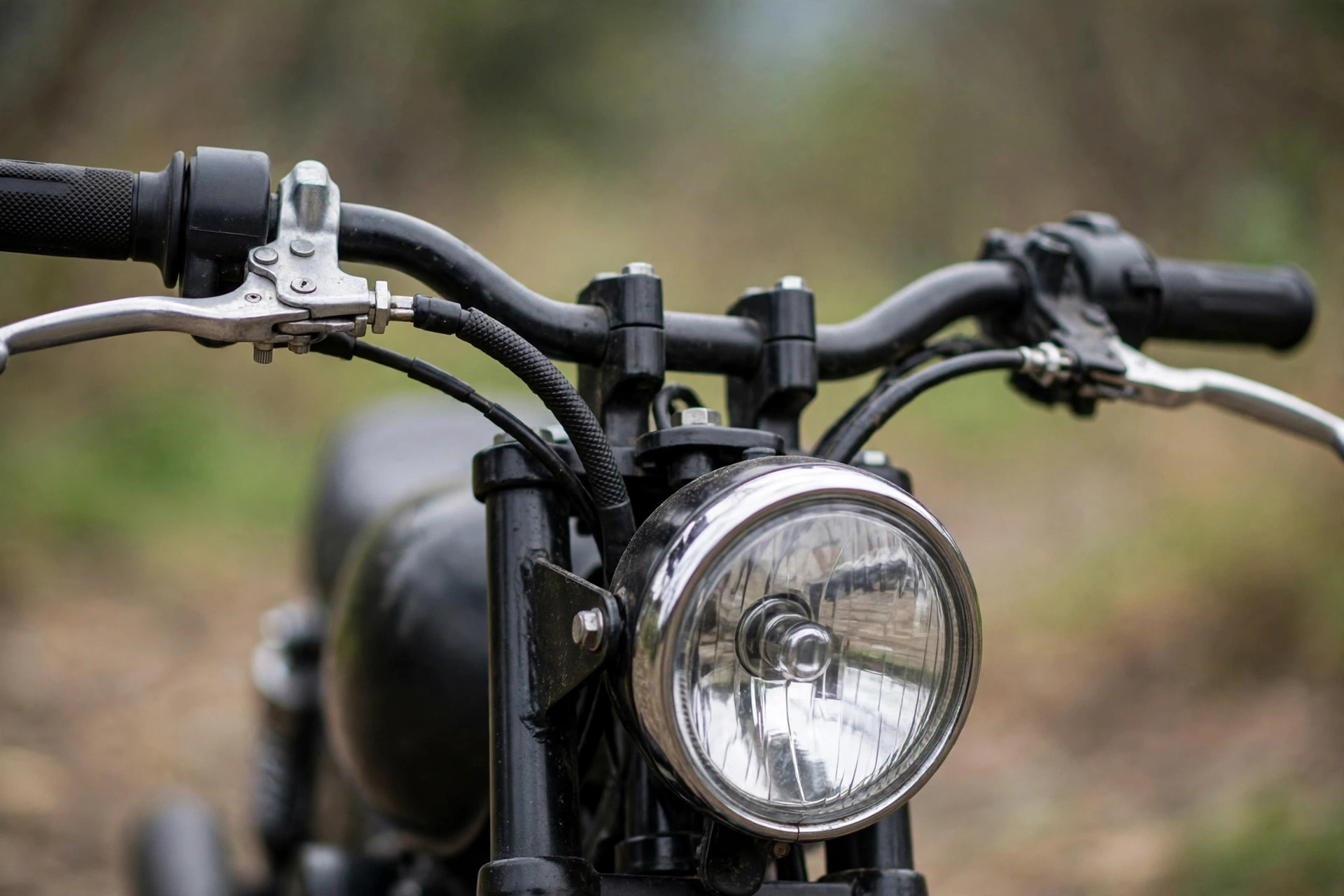
Frame and forks: look for bends, cracks, or fresh paint covering repairs. Check the fork seals for leaking oil — a ring of grime around the fork legs is a telltale sign. Stand in front of the bike and sight down it; everything should look straight and symmetrical.
Signs of stunt damage: Groms get stunted — it’s practically a rite of passage. That’s not automatically a dealbreaker, but it should adjust the price. Look for scraped bar ends, dented exhaust, rashed engine covers, and a worn rear tire with a flat center. Ask the seller directly what the bike was used for; the answer (or the dodging of it) tells you plenty.
Engine: start it cold if you can — a warm engine can hide starting problems. It should idle smoothly and rev cleanly without smoke. Listen for rattles or knocking. Check the oil level and condition through the sight glass or dipstick; black, gritty, or low oil suggests neglect.
Chain and sprockets: a stretched, dry, or kinked chain is a maintenance bill waiting for you. The sprocket teeth should look symmetrical, not hooked or pointed. This is a wear item, so some wear is normal — but severe neglect hints at an owner who skipped everything else too.
Tires and brakes: check tire age and tread depth — old rubber with good tread still needs replacing. Test the brakes; levers should feel firm, not spongy. Look at the brake fluid color in the reservoir; dark fluid means it hasn’t been changed in a while.
Electrics: run through everything — headlight (high and low beam), indicators, brake light, horn. Electrical gremlins from aftermarket wiring are common on modified bikes.
Paperwork: title or registration should be clean and in the seller’s name. A bike without paperwork, or one being sold suspiciously cheap, is a hard pass no matter how good it looks.
The test ride: if the seller allows it and you’re licensed, ride it. Does it pull smoothly through the gears? Does it track straight with hands briefly off the bars (in a safe spot)? Any weird vibrations or noises? Trust your gut — if something feels off, walk away. There will always be another Grom.
Step 4: Ownership basics — maintenance and running costs
One of the Grom’s strongest selling points is how cheap it is to own. Everything is small and simple, and that shows up in your wallet.
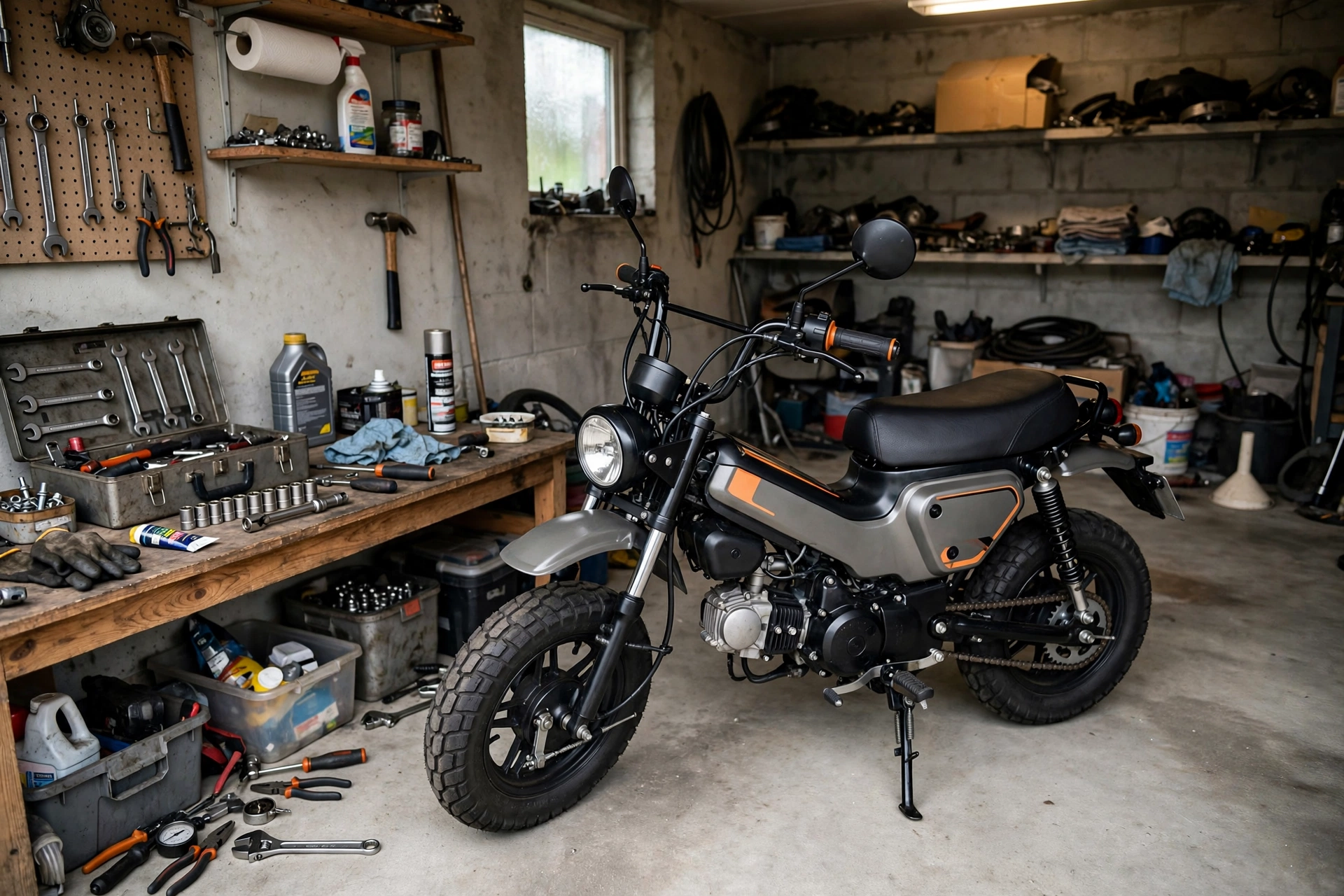
Maintenance: the service schedule is straightforward — regular oil changes, chain cleaning and lubrication, brake checks, and tire inspections. The single-cylinder, air-cooled engine is about as uncomplicated as motorcycle engineering gets, which makes it an excellent bike to learn basic maintenance on. Oil changes need only a small amount of oil; tires are small and inexpensive compared to full-size sportbike rubber; brake pads last well because the bike is light. If you’ve ever wanted to learn to wrench, a Grom is the ideal classroom.
Fuel economy: the Grom sips fuel. Small engine, light weight, modest speeds — owners regularly describe it as one of the most fuel-efficient motorcycles you can buy. A full tank stretches impressively far in city riding, and filling up costs very little. If you’re switching from a car commute to a Grom, the fuel savings are real and immediate.
Insurance and licensing: insurance for a 125cc-class bike is typically among the cheapest you’ll find in motorcycling — but “typically” isn’t a quote. Rates vary by location, age, and riding history, so get quotes before you buy. On licensing: in most places you’ll need a motorcycle license or endorsement to ride a Grom on public roads, since it’s a proper motorcycle with a manual gearbox. Check your local requirements early — some new buyers are surprised to learn they can’t ride it home on a car license.
Storage and practicality: the Grom’s size is a genuine everyday advantage. It fits in tight garages, small parking spots, and even some elevators (not that we’re endorsing that). It’s light enough to maneuver by hand easily, which matters more than you’d think in real life. Downsides: there’s essentially no storage on the bike, and it’s not a two-up touring machine — a passenger is possible for short hops but the bike is really built for one.
Step 5: Riding gear, and the beginner mistakes to avoid
A small bike doesn’t mean small consequences. The road doesn’t care about your engine size, and neither does physics. Budget for gear before the bike, not after.
The essentials: a good helmet that fits properly is non-negotiable — get fitted in a shop rather than guessing online. A riding jacket with armor, gloves, and boots that cover your ankles are the baseline. Riding jeans or armored trousers complete the set. You don’t need race-spec everything, but “t-shirt and sneakers” is a bad plan at any speed. Because the Grom is light and upright, you’ll find gear that suits it easily — and since you’re going slower, comfort is easy to achieve without sacrificing protection.
Beginner mistakes to watch for:
- Skipping training. The Grom is forgiving, but it can’t teach you roadcraft. Take a proper riding course — it’s the single best investment a new rider can make, and it usually lowers your insurance too.
- Target fixation. Beginners stare at the hazard they’re trying to avoid — and ride straight into it. Look where you want to go. It sounds simple and takes practice.
- Grabbing the front brake. Panic braking with a handful of front brake can lock the wheel. Practice progressive braking in a parking lot until it’s muscle memory.
- Riding beyond your sight lines. The Grom’s small size tempts you into corners fast, but you can’t stop for what you can’t see. Slow in, look through, smooth out.
- Neglecting the chain. Small bikes eat chains when they’re ignored. A few minutes with lube every few hundred miles saves real money.
- Assuming drivers see you. You’re small, quiet, and easy to miss. Ride like you’re invisible — position yourself where you can be seen, and always have an escape route.
The customization culture
Few bikes invite personalization like the Grom. Its simple construction and huge owner community mean there’s an enormous ecosystem of parts and ideas — from cosmetic touches like tail tidies and bar swaps to more involved changes like exhausts, suspension upgrades, and big-bore kits.
The culture splits roughly two ways. On one side are the show builders — bikes polished to a shine, every bolt considered, built for meets and photos. On the other are the functional tinkerers — stunt riders and commuters who mod for a purpose. Both camps share a common thread: the Grom is a platform, not just a product.
A word of caution from people who’ve learned the hard way: modify in order of need, not order of cool. Tires, suspension, and brakes make you faster and safer than any bolt-on power part on a 125. And keep your stock parts — a bike that can be returned to stock sells more easily and often for more. If you’re buying used, a tastefully modified Grom can be a bargain; a hacked-together one is someone else’s expensive lesson you’re about to inherit.
For more automotive reads, check out the coverage at dailyscope67.com, where two-wheel topics and other motoring stories get regular attention.
FAQs
Is the Honda Grom good for beginners?
Yes — it’s one of the best beginner bikes you can buy. It’s light, forgiving, and cheap to run, and the manual transmission teaches real riding skills. Just don’t skip proper training: take a riding course and gear up properly regardless of the bike’s friendly size.
Can a Honda Grom go on the highway?
Technically yes, but it’s not where the bike is happiest. A 125cc-class bike can hold highway speeds on flat roads, but hills, headwinds, and merging require planning and patience. For regular highway commuting, a larger bike is a better tool. The Grom is a city and backroad specialist.
How fuel efficient is the Grom?
Very. It’s widely regarded as one of the most fuel-efficient motorcycles on the market — the small engine and light weight mean a tank of fuel goes a long way in normal riding. Exact figures vary with riding style and conditions, but expect miserly consumption compared to any car or full-size bike.
Should I buy a new or used Grom?
New buys you warranty and a known history; used buys you value, since the market is full of lightly ridden examples. If you’re new to bikes and buying used, bring a knowledgeable friend or pay for a pre-purchase inspection. Either way, avoid bikes with sketchy paperwork or signs of hard stunt use unless the price reflects it.
Do I need a motorcycle license for a Grom?
In most places, yes — it’s a street-legal motorcycle with a manual transmission, so a motorcycle license or endorsement is typically required. Rules vary by location, so check your local licensing requirements before you buy.
Is the Grom comfortable for taller riders?
It’s small, but many taller riders enjoy it anyway. Comfort depends on your proportions and how long your rides are — short city hops are fine for most; longer rides get cramped sooner. Sit on one before buying, and know that the aftermarket offers bar and seat options to open up the ergonomics.
What should I check first on a used Grom?
Frame straightness, fork seals, chain and sprocket wear, tire age, brake feel, and whether all the electrics work. Start it cold and listen. And check the paperwork — clean title, seller’s name, no red flags. If anything feels wrong, walk away; another one will come along.
Read Also: Lola Dolls (2026): Complete Guide to the L.O.L. Surprise! Lola Toy Line
Related Stories
2026 Dodge Durango: Prices, Trims, Towing & the 710-HP Hellcat (Complete Guide)
The Dodge Durango: America's Last V8 Family SUV (2026 Complete Guide) There is no new idea in the…
1 response