Lola Dolls (2026): Complete Guide to the L.O.L. Surprise! Lola Toy Line
Everything parents, gift-buyers and collectors need to know about Lola dolls from L.O.L. Surprise! — from spotting fakes to picking the right doll for the right age. This 2026 guide covers buying, care, display and gifting without the guesswork.
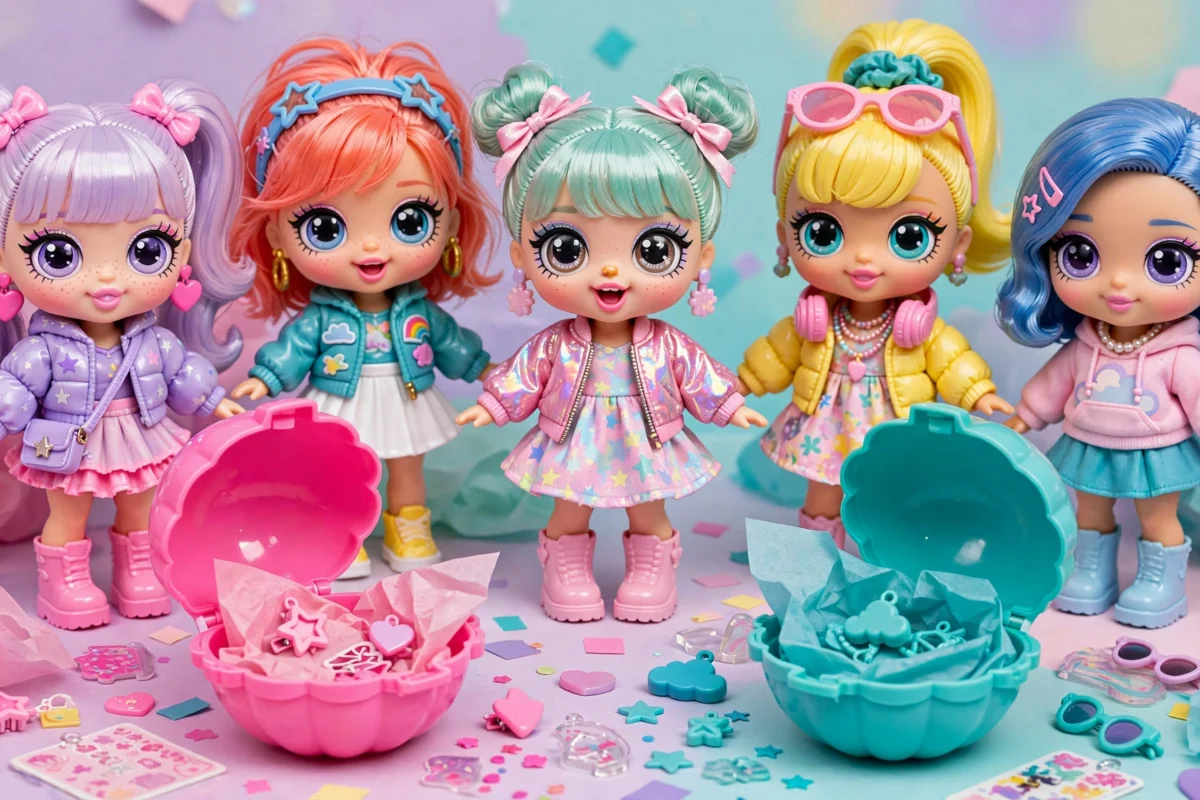
Type “lola doll” into a search bar and you land straight in the middle of one of the biggest toy crazes of the last decade. Lola dolls — the glam, big-eyed fashion dolls at the heart of the L.O.L. Surprise! universe — have become shorthand for the whole surprise-toy phenomenon: the ball-shaped packaging, the layers of wrapping to peel back, and the tiny plastic shoes you will absolutely step on barefoot at two in the morning.
But here is the thing nobody tells new parents, grandparents, or gift-buyers: “Lola” covers a lot of ground. The L.O.L. Surprise! line, made by MGA Entertainment, spans small dolls, bigger fashion dolls, little sisters, pets, and playsets, all sold under the same glittery umbrella. Ask for “a Lola doll” in a toy aisle and you could walk out with any one of a dozen very different things — some perfect for a four-year-old, some aimed squarely at collectors.
This guide clears all of that up. Whether you are buying your first Lola doll, building a collection, or just trying to figure out what your kid is talking about, you will find everything here: what these dolls actually are, why kids and collectors love them, how to tell the real ones from the fakes flooding the market, and how to buy, care for, and gift them like you have done it a hundred times.
The short version: Lola dolls are the fashion dolls of the L.O.L. Surprise! line from MGA Entertainment, famous for their surprise-ball packaging and layers of unwrapping. Kids love the unboxing ritual; collectors love the huge character variety and hunt for rare finds. Buy authentic dolls from reputable toy retailers, check the packaging for proper MGA markings, match the doll size to the child’s age, and keep the tiny accessories away from toddlers. Everything below expands on each of those points, step by step.
What Exactly Are Lola Dolls?
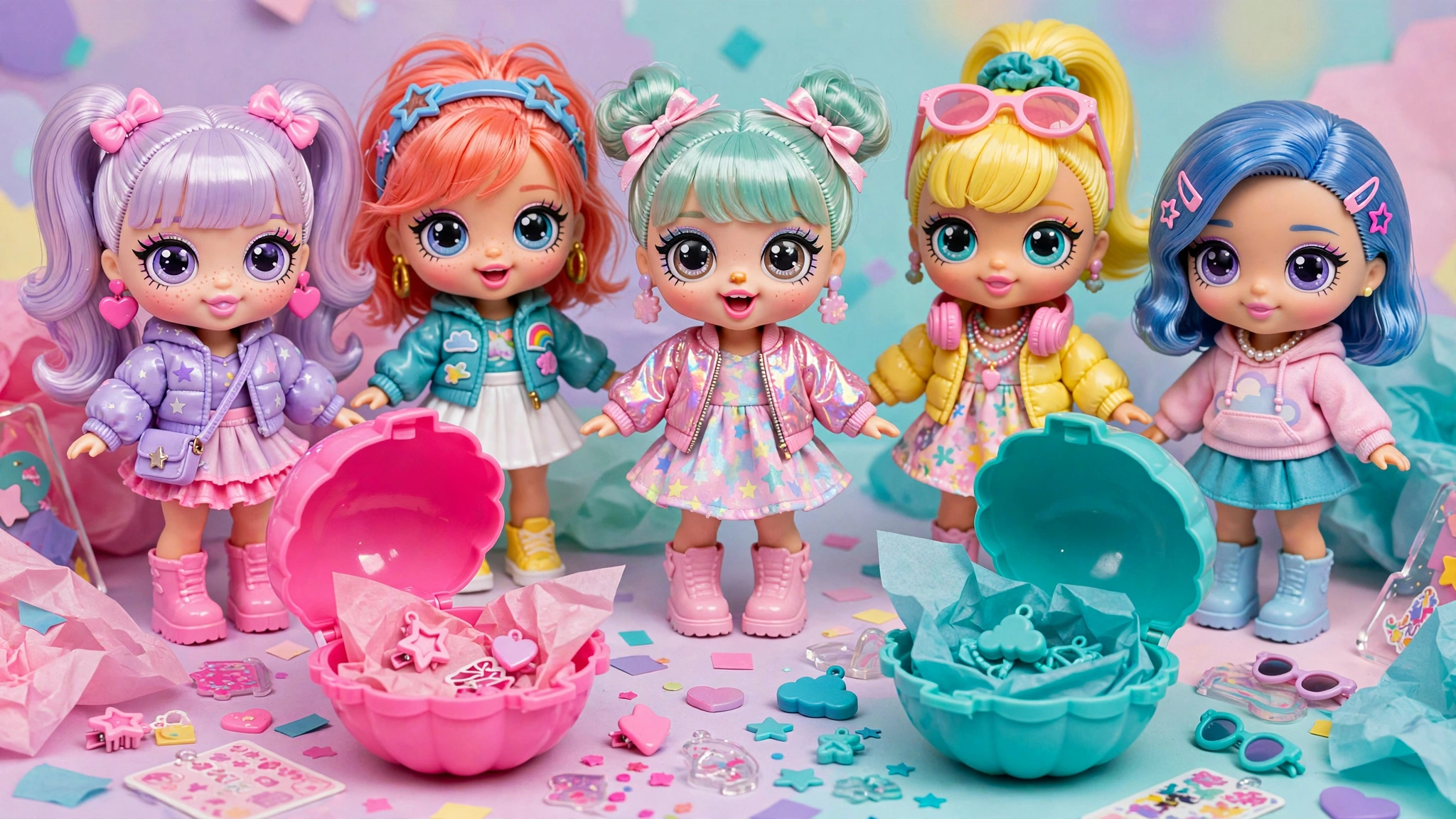
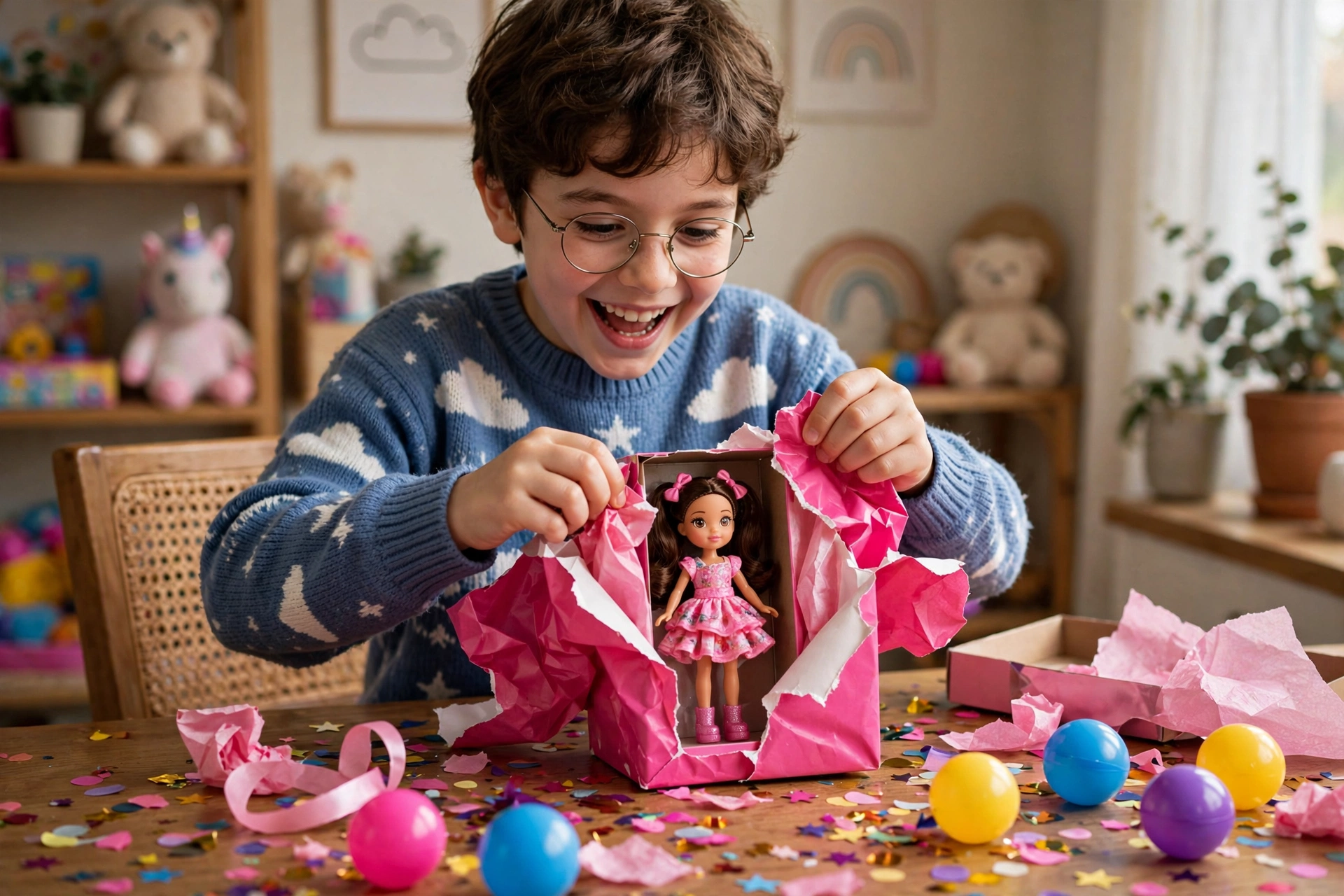
L.O.L. Surprise! started as a simple, brilliant idea: take a fashion doll, hide it inside a ball, and wrap that ball in layer after layer of packaging so that opening it becomes half the fun. Each layer you peel back reveals something — stickers, a secret message, a tiny accessory — until the final layer gives up the doll herself. That unboxing ritual is the whole engine of the line, and it is why these toys took off the way they did.
Within that world, the Lola dolls are the glam fashion-doll characters — the ones with the bold hair colors, the statement outfits, and the big personalities baked into their styling. Think oversized heads, enormous expressive eyes, glossy rooted hair, and tiny fashion-forward clothes with accessories to match. The small dolls are roughly palm-sized, the kind of toy that fits in a jacket pocket and comes everywhere. The larger fashion dolls in the line stand noticeably taller, closer to a traditional fashion-doll scale, with more detailed outfits and articulated bodies made for styling and posing.
The range has grown over the years into a small ecosystem. Alongside the main dolls you will find lil sisters (smaller companion dolls), pets, and playsets like closets, houses, and salons that give the dolls somewhere to live out their tiny glamorous lives. Many dolls also come with a water-surprise feature — dunk them in water and something happens, like a color change or a spit, cry, or tinkle effect, which is printed on the packaging as a clue. It is a gimmick, sure, but it is the kind of gimmick kids talk about at school the next day.
One more thing worth knowing: the line releases in waves or series, with new characters arriving regularly and older ones quietly disappearing from shelves. That rotation is exactly what turned casual buyers into collectors. When a favorite character is only around for a season, people start hunting.
Why Kids and Collectors Can’t Get Enough of Them
It is worth pausing on the “why,” because Lola dolls are not popular by accident. A few things are working in their favor, and understanding them helps you buy better — especially if you are shopping for someone else’s kid and want to get it right.
First, the unboxing. For kids, the surprise layers are genuinely thrilling. There is suspense, there is a reveal, and there is a little burst of ownership with every layer. It is theater, and it works on adults too — watch a collector open a rare find and you will see the same grin.
Second, the fashion play is real. These dolls come with mix-and-match outfits and accessories, and the styling possibilities are the point. Kids redress them endlessly, trade accessories with friends, and invent whole storylines. The dolls reward imagination rather than prescribing a single way to play, which is why they have such long play life compared to toys with one trick.
Third, the collectibility. With so many characters released across series, there is always something to hunt for. Some dolls are common, some are harder to find, and a few become genuine grails that collectors trade for. That spectrum — from a pocket-money purchase to a serious hunt — is what keeps both kids and adult collectors in the game.
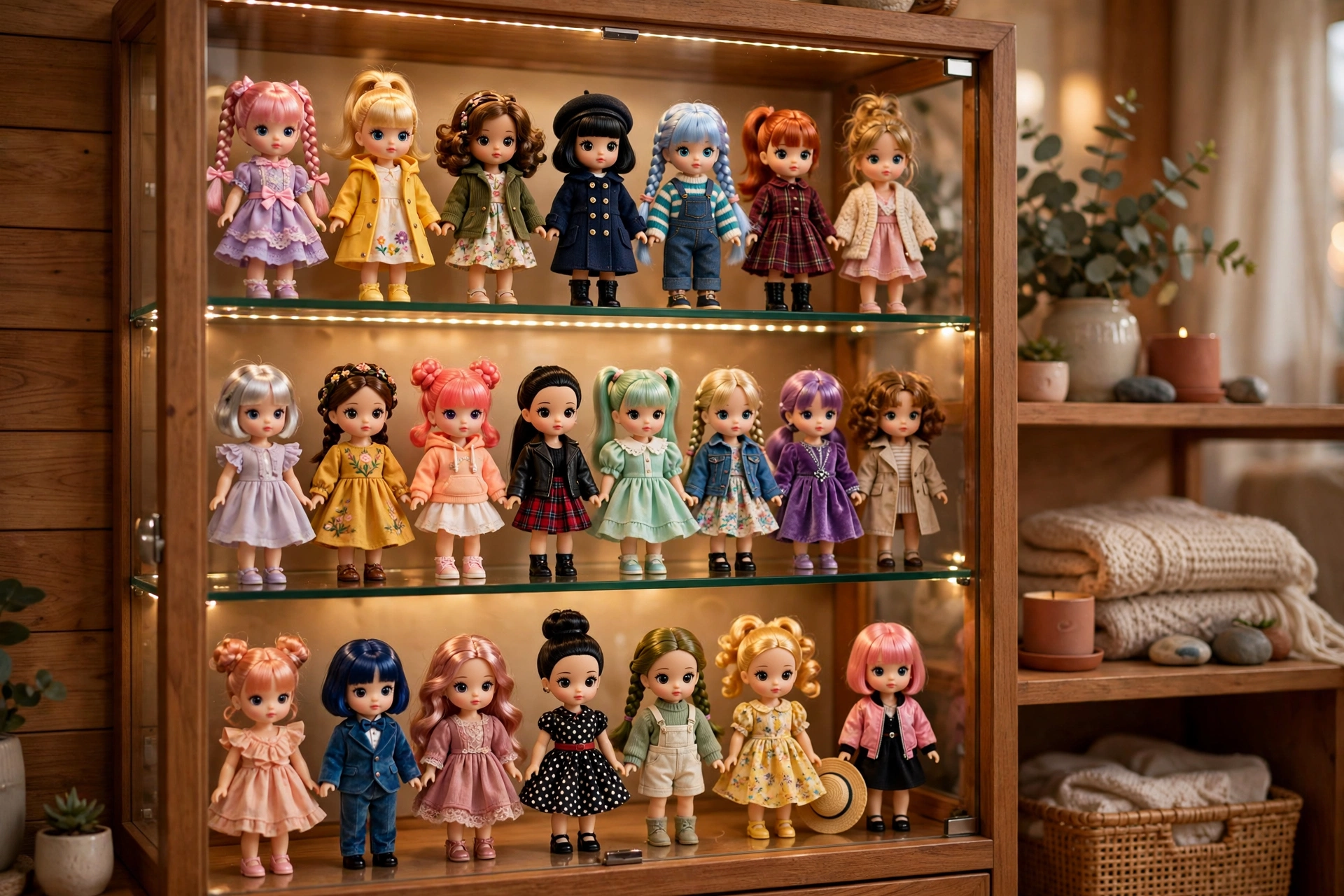
Finally, they photograph and display beautifully. The bold styling, the bright packaging, the tiny detailed accessories — all of it looks great on a shelf. Plenty of collectors started as parents buying for their kids and ended up with a display of their own. If that sounds like a slippery slope, it is. A fun one, though.
Step 1: Know Which Type of Lola Doll You Actually Want
Before you spend anything, get clear on what you are looking for, because the size and price of Lola products vary a lot across the range. Walking in blind is how people end up with a duplicate of something they already own — or a doll meant for a collector when they were shopping for a toddler.
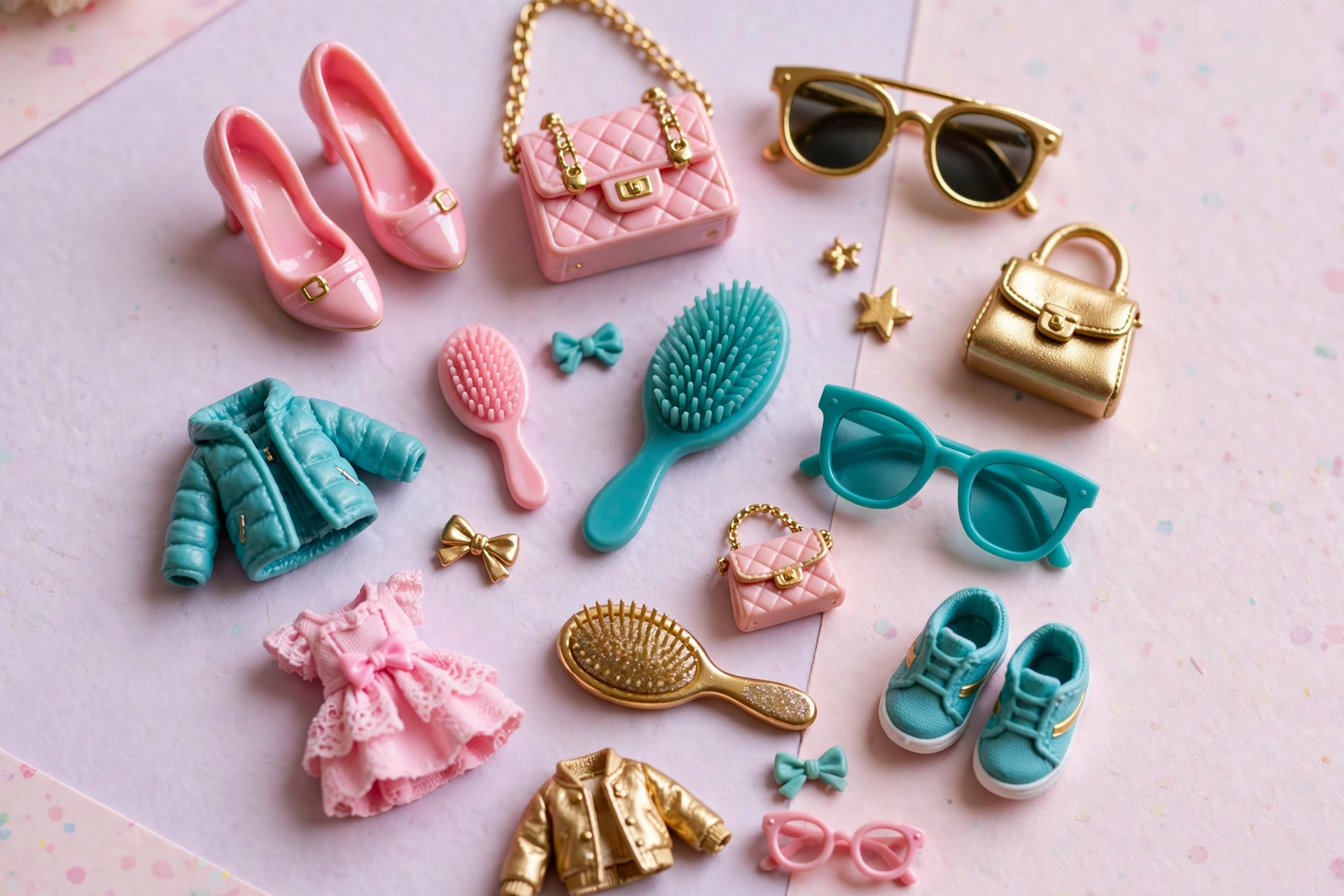
The small dolls are the heart of the line. They come in the signature ball packaging, include a handful of surprises and accessories, and are the classic pocket-money purchase. These are the ones most kids mean when they say they want a Lola doll, and they are the easiest starting point if you are unsure.
The larger fashion dolls are a step up in every sense — bigger, more detailed, more articulated, with more elaborate outfits. They are aimed at kids who are deep into styling and posing, and at collectors who want a centerpiece rather than another small figure. If the child you are buying for already has a shelf full of the small ones, a larger fashion doll is usually the gift that gets the gasp.
Then there are the companions and extras: lil sisters, pets, and themed playsets. These make great follow-up gifts once someone already owns a doll or two, because they extend the play rather than duplicating it. A doll plus a pet or a closet playset feels like a much bigger gift than two more dolls would.
A practical tip: if you are buying for a kid, ask (or ask their parent) what they already have. Collectors of all ages keep mental inventories, and nothing deflates a gift like a duplicate. If you cannot ask without spoiling the surprise, steer toward the larger fashion dolls or playsets — they are less likely to double up on what is already in the toy box.
Step 2: Learn to Spot Real Lola Dolls vs Knockoffs
This step matters more than any other in this guide. L.O.L. Surprise! is one of the most counterfeited toy lines in the world, and fake Lola dolls are everywhere — on obscure online storefronts, in market stalls, and sometimes even mixed into listings on big marketplaces by third-party sellers. The fakes look convincing in photos and disappointing in person: sloppy paint, flimsy plastic, hair that sheds, and accessories that do not fit.
Beyond the quality issue, there is a safety one. Authentic dolls go through the testing and certification that major toy brands are required to meet. Counterfeits do not, and nobody can tell you what is in their paint or plastic. When the toy is for a child who will chew on it, sleep with it, and carry it everywhere, that is not a corner worth cutting.
Use this checklist every time you buy, especially from a seller you have not used before:
| Feature | What to look for | Red flag |
|---|---|---|
| Packaging | Crisp printing, correct logos, sealed layers intact | Blurry graphics, misspelled words, flimsy or resealed wrapping |
| Brand markings | MGA Entertainment name and official L.O.L. Surprise! branding present and spelled correctly | Missing manufacturer info, odd brand names, or “inspired by” wording |
| Doll quality | Clean paint lines, neatly rooted hair, smooth joints | Paint smudges, patchy or shedding hair, stiff or loose limbs |
| Accessories | Well-molded pieces that fit the doll properly | Warped shoes, brittle plastic, pieces that do not fit |
| Seller | Established toy retailers or sellers with long, verifiable track records | Brand-new accounts, stock photos only, no returns offered |
| Price | In line with what major retailers charge for the same item | Dramatically cheaper than everywhere else — that gap is the tell |
The single best defense is boring: buy from reputable toy retailers. Big-box stores, established toy shops, and the official brand channels are the safest bets. If you are buying secondhand or from an individual seller — which collectors do all the time for retired characters — ask for clear photos of the actual item, including any markings, and check the seller’s history before you commit.
Step 3: Match the Doll to the Child’s Age
Lola dolls are made for kids, but not all Lola dolls are made for all kids. The small accessories — and there are always small accessories — are the deciding factor. Tiny shoes, tiny sunglasses, tiny handbags: all of it is a choking hazard for toddlers, which is why the packaging carries age guidance. Read it, and take it seriously. As a rule of thumb, these toys are aimed at early school-age children and up, not at babies and toddlers.
For younger kids in that range, the small dolls in ball packaging are ideal. The unboxing is simple, the play is straightforward, and if a tiny shoe goes missing under the sofa, it is not a tragedy. This is also the age where the water-surprise features land hardest — cause and effect, with a splash.
For older kids, roughly seven and up, the larger fashion dolls tend to be the better pick. The styling play is more involved, the outfits are more detailed, and kids this age start caring about posing, photographing, and displaying their dolls. They also tend to keep track of the accessories better, which parents of younger kids will appreciate.
And then there are the collectors — teenagers and adults who buy for the hunt, the display, and the community. If you are shopping for a collector, the rules flip: rarity and condition matter more than play value, packaging condition starts to count, and the best gift is often the specific character they are missing rather than whatever is newest. When in doubt, ask for their wishlist. Collectors always have one.
Step 4: Buy Smart Without Overpaying
You do not need to overthink where to buy, but a little strategy goes a long way — especially around birthdays and holidays when the popular characters sell out and the markup merchants come out to play.
Start with established toy retailers, both in-store and online. They carry the current range, their stock is authentic, and their return policies actually work if something arrives damaged or wrong. Department stores with toy sections are just as good. The official brand website is another safe option when it is in stock, and it is often the first place new releases appear.
Timing matters more than most people realize. New waves tend to land in the run-up to the big gift seasons, and the most wanted characters can sell through quickly. If you are buying for a specific occasion, shop early rather than hoping for a restock the week before. Conversely, the weeks after a gift season can be a good time to pick up current items at friendlier prices — retailers clearing shelves is one of the few reliable discounts in toys.
For retired or hard-to-find characters, collectors turn to the secondhand market: collector groups, toy swaps, and reputable resellers. This is completely normal in the hobby, but it is also where the fakes from Step 2 concentrate, so apply that checklist rigorously. Ask for photos of the actual doll, not stock images. Check how long the seller has been around and what other collectors say about them. And be wary of anyone pressuring you to pay outside the platform’s protected checkout — that is never worth the small saving.
One more piece of advice that saves real money: set a boundary before you browse. It is dangerously easy to go in for one doll and come out with three, because the packaging is designed to make every option look irresistible. Decide whether this trip is for one gift, a starter set, or a collection addition, and stick to it. Future you, looking at the toy shelf, will be grateful.
Step 5: Care, Storage, and Display Tips
Lola dolls are sturdy little things, but a bit of care keeps them looking new — which matters whether the doll belongs to a six-year-old or a serious collector.
Start with the hair, because that is what shows wear first. Brush it gently with a small soft brush, working from the ends upward, and go easy around rooted hairlines. If the hair gets tangled or grimy, lukewarm water and a tiny drop of mild soap will sort out most problems; rinse well and let it air-dry rather than attacking it with heat. Many collectors swear by this simple routine over any fancy product.
For the dolls’ bodies and outfits, a damp cloth handles most marks. Avoid harsh cleaners, which can dull the paint or damage printed details. The water-play features are designed for water, obviously, but dry the doll thoroughly afterward — trapped moisture and tiny outfits are not a good combination over time.
Storage is where most collections quietly fall apart. Those tiny accessories migrate everywhere, so give them a home: small zip bags, a compartmented craft box, or even labeled envelopes per doll. It takes five minutes to set up and saves hours of sofa-cushion archaeology. Keep the dolls themselves somewhere they will not get crushed — a shelf, a bin with dividers, or the playset they came with.
If anyone in the house is displaying rather than playing, keep the display out of direct sunlight. Bright sun fades hair color and packaging alike over months, and it is the kind of damage you only notice once it is done. A shelf in a shaded spot, maybe with the dolls posed and rotated now and then, keeps a collection looking its best. And collectors: hold onto the packaging for anything rare. Complete-in-box always matters more than loose, whenever trading day comes.
Step 6: Buying a Lola Doll as a Gift (Without the Guesswork)
Buying toys for other people’s children is a special kind of pressure. Get it right and you are the favorite aunt, uncle, or grandparent for a month. Get it wrong and your gift migrates to the back of the toy box by New Year. Here is how to land in the first group.
First, do a little reconnaissance. Ask the parent what the child already has, or what character they have been talking about. Kids are remarkably specific about which doll they want — “the one with the purple hair” is actionable intelligence. If you cannot ask without ruining the surprise, a gift set with a doll plus accessories or a playset is the safest premium-feeling option, since it does not duplicate a single doll they might own.
Second, keep the receipt and check the return policy. Even with reconnaissance, duplicates happen and tastes change fast at this age. A gift that can be exchanged without awkwardness is a better gift, full stop.
Third, think about the whole present, not just the doll. A small storage case for accessories, a display stand, or even just a nice gift bag with the ball packaging visible turns a single toy into an occasion. Kids remember the unwrapping as much as the toy — which, given this particular toy line, feels appropriate.
Finally, if you want to go beyond a single purchase, pair the doll with something that extends the fun rather than repeating it. A pet companion, a lil sister doll, or a themed playset all build on what the child already has. For more toy and gift ideas in general, the team over at themodernpost.co.uk covers gift guides and toy roundups that are worth a browse before the big occasions. And if you are buying for a collector rather than a child, remember the golden rule from Step 3: ask for the wishlist. Nothing beats getting the exact missing character.
FAQs
Are Lola dolls the same thing as L.O.L. Surprise! dolls?
Essentially, yes. “Lola dolls” is the name shoppers and collectors use for the fashion dolls of the L.O.L. Surprise! line, made by MGA Entertainment. There is no separate company or unrelated toy hiding behind the name — if it says L.O.L. Surprise! on the packaging and matches the style described in this guide, you are in the right place. The different names you see (small dolls, larger fashion dolls, lil sisters, pets) are just the different product types within the same family.
What age are Lola dolls suitable for?
They are aimed at early school-age children and up, largely because of the small accessories. Always check the age guidance printed on the specific packaging, since it can vary between product types, and keep all Lola products away from babies and toddlers who still put things in their mouths. For younger kids in the recommended range, the small dolls are the sweet spot; older kids often prefer the larger fashion dolls with more detailed styling play.
How can I tell if a Lola doll is fake?
Check the packaging first: authentic products have crisp printing, correct logos, and proper MGA Entertainment branding with no spelling errors. Then look at the doll itself — clean paint lines, neatly rooted hair, and well-molded accessories that fit properly are the marks of the real thing. Fakes tend to have smudged paint, shedding hair, warped accessories, and flimsy packaging. The full checklist, including seller red flags, is in Step 2 above. When in doubt, buy from established toy retailers.
Do Lola dolls come with accessories?
Yes — accessories are half the point. Even the small dolls in ball packaging typically come with several surprises revealed layer by layer: outfits, shoes, tiny handbags, brushes, and similar extras, plus the doll herself. Larger fashion dolls and gift sets include more elaborate wardrobes. Many dolls also have a water-surprise feature, which is hinted at on the packaging. If you are buying secondhand, confirm which accessories are included, because incomplete sets are common and worth less to collectors.
Where do collectors buy and trade Lola dolls?
Current releases come from established toy retailers, department stores, and the brand’s own channels. For retired or hard-to-find characters, collectors use secondhand routes: dedicated collector groups and communities, local toy swaps and fairs, and reputable individual resellers. Trading within collector communities is a big part of the hobby — duplicates get swapped for missing characters all the time. Wherever you buy secondhand, apply the authenticity checks from Step 2 and favor sellers with verifiable histories.
Are Lola dolls a good investment? Do they hold their value?
Buy Lola dolls for the joy of them — playing, collecting, displaying — not as a financial investment. Like most mass-produced toys, the majority of dolls are worth roughly what you paid or less once opened, while a small number of hard-to-find characters can become sought after by collectors. There is no reliable way to predict which ones those will be, and treating toys as investments takes the fun out of the hobby. If a doll does become valuable, keeping it complete with its packaging and accessories is what preserves that value.
What is the best Lola doll to start a collection with?
Start with whatever catches your eye from the current range at a reputable retailer — there is no wrong first doll, and collecting is more fun when it is personal. Many collectors begin with a couple of the small dolls to learn the characters, then add a larger fashion doll as a centerpiece. If you are buying for a child rather than yourself, the gift advice in Step 6 applies: a doll plus a companion or playset beats two random dolls. And keep the packaging from day one if there is any chance the collection bug bites — you will thank yourself later.
Read Also: How to Buy a House in 2026: A Step-by-Step Guide for First-Time Buyers
Related Stories

Barca Radio Control: Complete Guide to the Exceed RC Barca 1/5 Gas Buggy (2026)
Barca Radio Control: The Complete Guide to the Exceed RC Barca 1/5 Gas Buggy If you typed "barca…
1 response