Running Shoes Men’s Nike: Best Picks, Fit and Buying Guide
Nike men's running shoes cover road running, trail running, daily training and racing, with different levels of cushioning and support. This guide explains the types, the fit, and how to pick the pair that matches how you run.
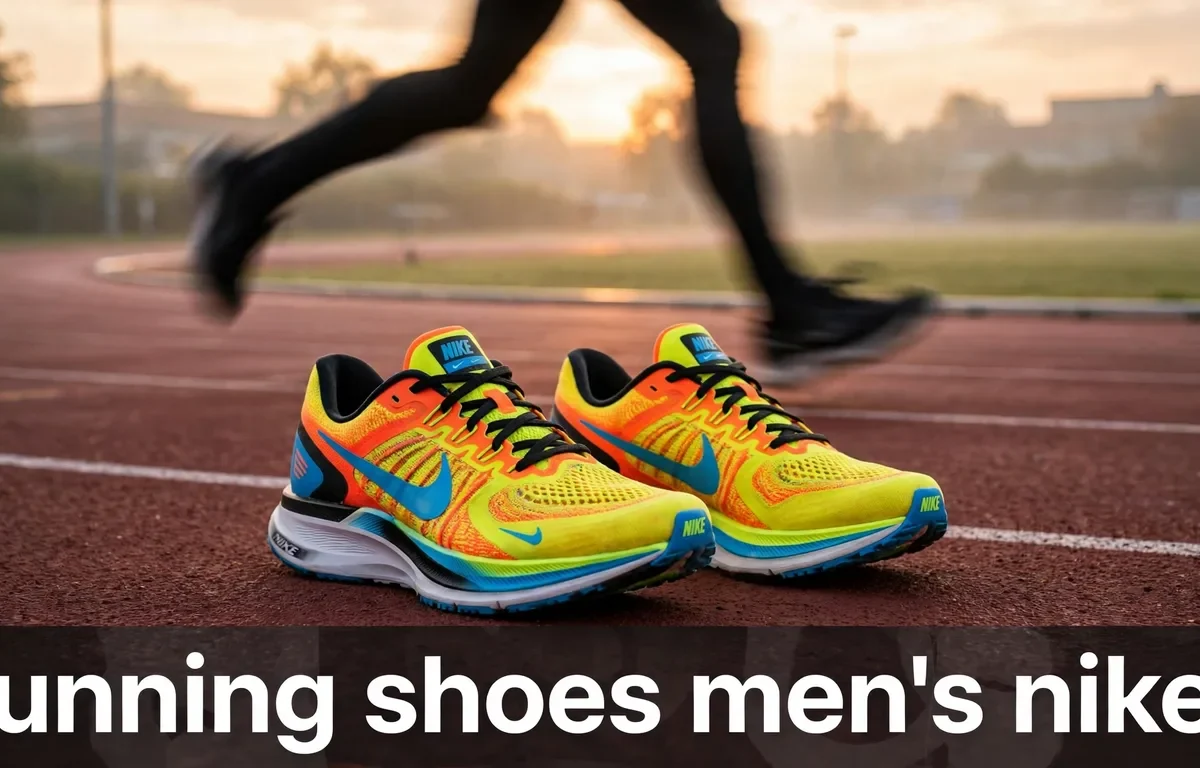
Running Shoes Men’s Nike: Best Picks, Fit and Buying Guide
The short version: Nike men’s running shoes are built for different kinds of running, and the right pair depends on where you run, how far you run, and how your feet work. Road shoes are the default for pavement and treadmills. Trail shoes add grip for uneven ground. Daily trainers balance cushioning and durability for regular miles, while lighter, faster shoes suit race days and speed work. Get the type right, get the size right, and most of the decision is already made.
That sounds simple, but the range can feel overwhelming. Walk into a store or open the Nike running page and you will see dozens of models, each with its own cushioning technology, its own weight, and its own description of who it is for.
The names change from year to year, new versions replace old ones, and a shoe that was perfect for one runner can be wrong for another. This guide cuts through that noise. It explains the main types of Nike men’s running shoes, what cushioning and support really mean, how to find your size, and how to choose a pair that fits your running — without inventing prices, model specifications, or claims about shoes that change with every new release.
The honest starting point is this: there is no single best Nike running shoe for men. There is a best shoe for your feet, your running surface, and your weekly distance. A heavier runner who runs on roads needs something different from a light runner who runs trails at the weekend. A beginner who is building up to three miles needs something different from a marathon runner doing long runs every Sunday. The goal of this guide is to help you work out which group you are in, and then pick from there.
What Makes a Nike Running Shoe Different?
Nike has been making running shoes for decades, and its range is built around a few ideas that show up across most models. The upper is the part that wraps the foot, usually made from a breathable mesh that lets air in and keeps the shoe light. The midsole is the layer under the foot that provides cushioning, and this is where Nike puts most of its technology — different foams and air units that are designed to absorb impact and return energy as you run. The outsole is the bottom layer that grips the ground, and its pattern changes depending on whether the shoe is made for roads, trails, or tracks.
Those three parts work together, but the midsole is the one most runners notice first. A soft, thick midsole feels cushioned and comfortable, especially on longer runs. A firmer, thinner midsole feels faster and closer to the ground, but it gives your legs less protection over distance. Neither is better on its own. It is a trade-off between comfort and speed, and the right balance depends on what you are training for.
Nike also uses different levels of support. Some shoes are neutral, which means they are built for runners whose feet do not roll too far inward when they land. Others offer stability features, which help guide the foot for runners who overpronate — whose feet roll inward more than average. If you do not know whether you overpronate, a running store can often check your gait by watching you run or walk, and that simple check can save you from buying a shoe that fights the way your feet naturally move.
Weight matters too, but not in the way many people think. A lighter shoe can feel faster, but a very light shoe may have less cushioning and wear out sooner. A heavier shoe may feel slower at first, but it may last longer and protect your legs better on long runs. For most runners, the difference of a few dozen grams matters less than the fit and the cushioning. Comfort over a full run beats a small weight saving every time.
Step 1: Decide Where You Run
The short version: the surface you run on decides the type of shoe you need. Start here, and do not buy a trail shoe for road running, or a road shoe for muddy trails.
Road running is the most common type, and it is where most Nike men’s running shoes are aimed. Road shoes are made for pavement, tarmac, and treadmills. They have a smoother outsole for grip on hard, flat surfaces, a cushioned midsole for repeated impact, and a breathable upper. If you run mostly on streets, pavements, parks with paved paths, or a treadmill, a road shoe is the right starting point.
Trail running is different. Trails are uneven, soft, muddy, and sometimes rocky, and a road shoe will slip and wear quickly on that ground. Trail shoes have a deeper, more aggressive outsole for grip, a tougher upper that resists scuffs and debris, and often a firmer feel to protect the foot from stones and roots. Some trail shoes also have a rock plate or extra protection under the foot. If you run on trails more than occasionally, a trail shoe is worth having as a separate pair.
Many runners mix surfaces. They might run on roads during the week and on trails at the weekend, or they might run on a mix of pavement and park paths. In that case, a road shoe will usually cope with light trail use, such as a dry park path, but it will not cope well with mud or steep, rocky ground. A trail shoe, on the other hand, will feel heavy and less comfortable on long road runs. If you regularly run on both, two pairs — one for each surface — will serve you better than one pair trying to do both jobs.
Track and speed work are a smaller category. If you run intervals on a track or you race regularly, you may want a lighter, more responsive shoe for those sessions, while keeping a cushioned daily trainer for your normal miles. You do not need a racing shoe to start running, and many runners never buy one. It is an extra, not a requirement.
Step 2: Pick the Right Level of Cushioning
The short version: cushioning is about how soft and thick the midsole feels. More cushioning suits longer runs and heavier runners. Less cushioning suits shorter, faster runs.
Nike offers running shoes across a range of cushioning levels, from light and low to thick and plush. The right level depends on your distance, your weight, and your preference.
Maximum cushioning suits long runs, recovery runs, and runners who want the softest feel underfoot. These shoes have a thick midsole that absorbs a lot of impact, which can help your legs feel fresher after a long run. They can feel a little less stable and a little heavier, because there is more foam under the foot, but for many runners that trade-off is worth it.
Moderate cushioning is the middle ground, and it is where most daily trainers sit. These shoes offer enough softness for regular miles without feeling too bulky or too soft. They are versatile: you can do an easy run, a longer run, and a faster session in the same pair, and they will cope with all three reasonably well. If you are buying one pair to do everything, a moderately cushioned daily trainer is usually the safest choice.
Light cushioning, or a firmer, more responsive feel, suits shorter runs, speed work, and racing. These shoes are often lighter, they feel closer to the ground, and they encourage a quicker turnover. They offer less protection over distance, so they are not the best choice for a long run if you are not used to them. Many experienced runners keep a firmer shoe for fast days and a softer shoe for easy and long days.
The best way to judge cushioning is to try the shoe on and walk, then jog a few steps if the store allows it. A shoe that feels soft when you stand in it may feel different when you run, and a shoe that feels firm at first may soften slightly as it breaks in. Pay attention to how your knees and feet feel after a few minutes, not just how the shoe feels in the first ten seconds.
Step 3: Get the Fit and Size Right
The short version: running shoes should fit differently from everyday shoes. You need room at the toes, a secure heel, and no pinching across the middle of the foot.
Fit is the single most important factor in choosing a running shoe, and it is also the one people get wrong most often. A running shoe that is the wrong size will cause blisters, black toenails, and sore feet, no matter how good the cushioning is. A shoe that fits well will feel comfortable from the first run, not after weeks of breaking in.
Start with length. Your running shoes should usually be a half size larger than your everyday shoes, because your feet swell slightly as you run and your toes need room to move forward with each step. When you try a shoe on, there should be about a thumb’s width of space between your longest toe and the end of the shoe. If your toes touch the end when you stand, the shoe is too small. If there is a lot more than a thumb’s width, it may be too large and your foot will slide around inside it.
Check the width as well. Nike men’s running shoes come in a standard width, and some models are available in wider fits. If the shoe feels tight across the middle of your foot, or if the sides of your feet bulge over the midsole, you may need a wider fit rather than a longer size. Going up a size to fix a width problem often makes the shoe too long, so it is better to look for a wide option in your correct length.
The heel should feel secure without being tight. When you walk or jog, your heel should not lift out of the shoe, but it should not be pinched either. Lace the shoe properly, using all the eyelets, and make sure the laces are snug but not cutting into the top of your foot. If your heel slips, try a different lacing pattern or a different model, because heel slip is a common cause of blisters.
Try shoes on later in the day if you can, when your feet are slightly larger, and wear the socks you will run in. Running socks are thinner than everyday socks, and trying a shoe in the wrong socks can give you a misleading fit. Walk around the store, jog on the spot, and pay attention to any pressure points. A small pinch in the store will become a big problem on a run.
Step 4: Match the Shoe to How Much You Run
The short version: a beginner needs a comfortable daily trainer. A regular runner may want two pairs. A racer may add a faster shoe for race day.
How much you run changes what you need from a shoe, and it is worth being honest about your current routine rather than the routine you hope to have.
If you are just starting out, or you run two or three times a week for short distances, a comfortable daily trainer is enough. Look for a road shoe with moderate cushioning, a good fit, and a durable outsole. You do not need the lightest shoe, the most expensive shoe, or a shoe built for racing. You need a shoe that feels good, protects your legs, and encourages you to keep running.
If you run regularly — four or five times a week, with a mix of easy runs, longer runs, and faster sessions — you may benefit from having two pairs. One pair can be your daily trainer for most miles, and the other can be a softer shoe for long runs or a lighter shoe for faster days. Rotating shoes also gives each pair time to recover between runs, which can help them last longer, and it gives your feet a slightly different feel on different days, which some runners find helpful.
If you race, or you are training for a specific event such as a 10K, a half marathon, or a marathon, a racing or speed shoe may be worth considering for race day and for key speed sessions. These shoes are lighter and more responsive, but they are not built for everyday miles. Keep your daily trainer for most of your training, and use the faster shoe sparingly, so that it feels special and effective when it matters.
Distance also matters. For runs under an hour, most well-fitting trainers will be comfortable. For runs over two hours, cushioning and fit become much more important, because small discomforts grow over time. If you are building up to a long event, test your shoes on your longest training runs, not just on short runs, so you know how they feel when your legs are tired.
| Shoe type | Best surface | Cushioning | Best for |
|---|---|---|---|
| Daily road trainer | Pavement, treadmill | Moderate | Most runners, regular miles |
| Max-cushion road shoe | Pavement | Soft and thick | Long runs, recovery, comfort |
| Light speed shoe | Road, track | Firm and responsive | Speed work, racing |
| Trail shoe | Trails, uneven ground | Moderate to firm | Off-road running, grip |
| Stability shoe | Pavement | Moderate | Runners who overpronate |
How to Buy: In Store, Online, and What to Check
The short version: try before you buy if you can, and check the return policy if you buy online.
Buying in a specialist running store is the best option if you have one nearby. Staff can watch you walk or run, check your gait, measure your feet, and suggest models that fit your needs. You can try several pairs, compare them side by side, and jog in them before you decide. That hands-on help is especially useful if you are new to running or if you have had problems with fit in the past.
If you buy online, check the size guide and the return policy before you order. Nike’s own website and many retailers offer free returns or exchanges, which means you can try the shoe at home and send it back if it does not fit. That is a useful safety net, but it only works if you actually use it. Do not keep a shoe that pinches or slips in the hope that it will improve. Send it back and try a different size or model.
When you compare prices, remember that older versions of a shoe are often discounted when a new version is released. The older version may be very similar to the new one, and it can be a good way to get a quality shoe for less. The main risk is that your size may sell out, so if you find a good deal in your size, it is worth acting on it rather than waiting.
Avoid buying a running shoe purely because it looks good or because it is popular online. A shoe that works for a fast runner with narrow feet may not work for a heavier runner with wide feet, even if it is the same model. Reviews are useful for understanding how a shoe feels in general, but they cannot tell you how it will fit your feet. Your own experience in the shoe matters more than any review.
Caring for Your Running Shoes and Knowing When to Replace Them
The short version: keep them dry, do not use them for everyday walking if you want them to last, and replace them when the cushioning or grip wears out.
Running shoes wear out gradually, and it is easy to keep wearing a pair long after it has lost its cushioning. The upper may still look fine while the midsole has compressed and no longer protects your legs as well as it did. That is why it helps to keep track of how many miles you have run in a pair, or how many months you have used them, and to watch for signs of wear.
Common signs that a shoe needs replacing include a midsole that feels flat or hard compared with when the shoe was new, an outsole that has worn smooth in places, a heel that has collapsed to one side, or a new ache in your knees, shins, or feet that was not there before. If you notice any of those, it is time to start looking for a replacement, even if the shoe still looks acceptable from the outside.
Care is simple. Let your shoes dry naturally after a wet or sweaty run, away from direct heat. Do not put them in a tumble dryer or on a radiator, because high heat can damage the glue and the foam. Remove the insoles if they are damp, and stuff the shoes with newspaper to help them keep their shape while they dry. Wash them by hand or on a gentle cycle if they get muddy, and let them air dry.
Try not to use your running shoes as everyday walking shoes if you can avoid it. Walking in them adds miles that do not show up in your training log, and it wears the cushioning in a different pattern from running. Keeping a separate pair for walking will help your running shoes last longer and feel better for longer.
FAQs
How should Nike men’s running shoes fit?
They should have about a thumb’s width of space in front of your longest toe, a secure heel that does not slip, and no pinching across the middle of the foot. Most runners go up half a size from their everyday shoe size. Try them on with running socks, later in the day, and walk or jog in them before you decide.
Are Nike running shoes good for beginners?
Yes, for most beginners a Nike daily trainer is a good choice. Look for a road shoe with moderate cushioning and a comfortable fit, rather than a racing shoe or a very firm, minimal model. The priority for a beginner is comfort, protection, and a shoe that encourages regular running.
What is the difference between road and trail Nike running shoes?
Road shoes are made for pavement and treadmills, with a smoother outsole and a breathable upper. Trail shoes are made for uneven, soft, and muddy ground, with a deeper outsole for grip, a tougher upper, and extra protection under the foot. A road shoe will cope with a dry park path, but it will not grip well on mud or steep trails.
How long do Nike running shoes last?
How long a pair lasts depends on your weight, your running style, the surfaces you run on, and the model. As a rough guide, many runners replace their shoes after several hundred miles of running, or when the cushioning feels flat and the grip has worn down. Check the midsole and the outsole regularly, and replace the pair when it no longer feels supportive.
Do I need a stability shoe?
Only if your feet roll inward more than average when you run, which is called overpronation. A running store can check your gait and tell you whether a stability shoe would help. Many runners do fine in a neutral shoe, so do not buy a stability shoe unless you have a reason to think you need one.
Can I use Nike running shoes for walking or the gym?
You can, but it is not the best use for them. Running shoes are built for forward motion and for absorbing impact, and using them for walking or gym work will wear them out faster and in a different pattern. If you want a shoe for the gym or for everyday walking, a separate pair designed for that purpose will last longer and feel better.
Conclusion
Choosing Nike men’s running shoes comes down to three questions: where do you run, how far do you run, and how do your feet fit in the shoe. Answer those honestly, and the choice becomes much simpler. A road shoe for pavement, a trail shoe for trails, a daily trainer for most miles, and a lighter shoe for race day if you need one. Get the size right, with room at the toes and a secure heel, and let comfort over a full run be the final test.
You do not need the newest model or the most expensive shoe to run well. You need a pair that fits, that suits the surface you run on, and that feels good after an hour on your feet. Try before you buy if you can, use the return policy if you buy online, and replace your shoes when the cushioning wears out. Do that, and your Nike running shoes will do what they are meant to do: get out of the way and let you enjoy the run.
Read Also: Hanes Women’s Panties: Styles, Sizes and How to Choose
Related Stories

Men’s Style in the 50s: Classic Looks That Still Work
The 1950s gave menswear some of its most lasting looks, from the sharp grey suit to the leather…

Wrist Brace for De Quervain’s: Relief and Buying Guide
A wrist brace for De Quervain's steadies the thumb and wrist so irritated tendons can rest. This guide…

Outdoor Research Men’s Echo Hoodie (2026 Guide)
The Outdoor Research men's Echo hoodie is a lightweight, breathable sun hoodie made for long days on the…
1 response