Wrist Brace for De Quervain’s: Relief and Buying Guide
A wrist brace for De Quervain's steadies the thumb and wrist so irritated tendons can rest. This guide explains the types, how to find the right fit, and how to wear one day to day.
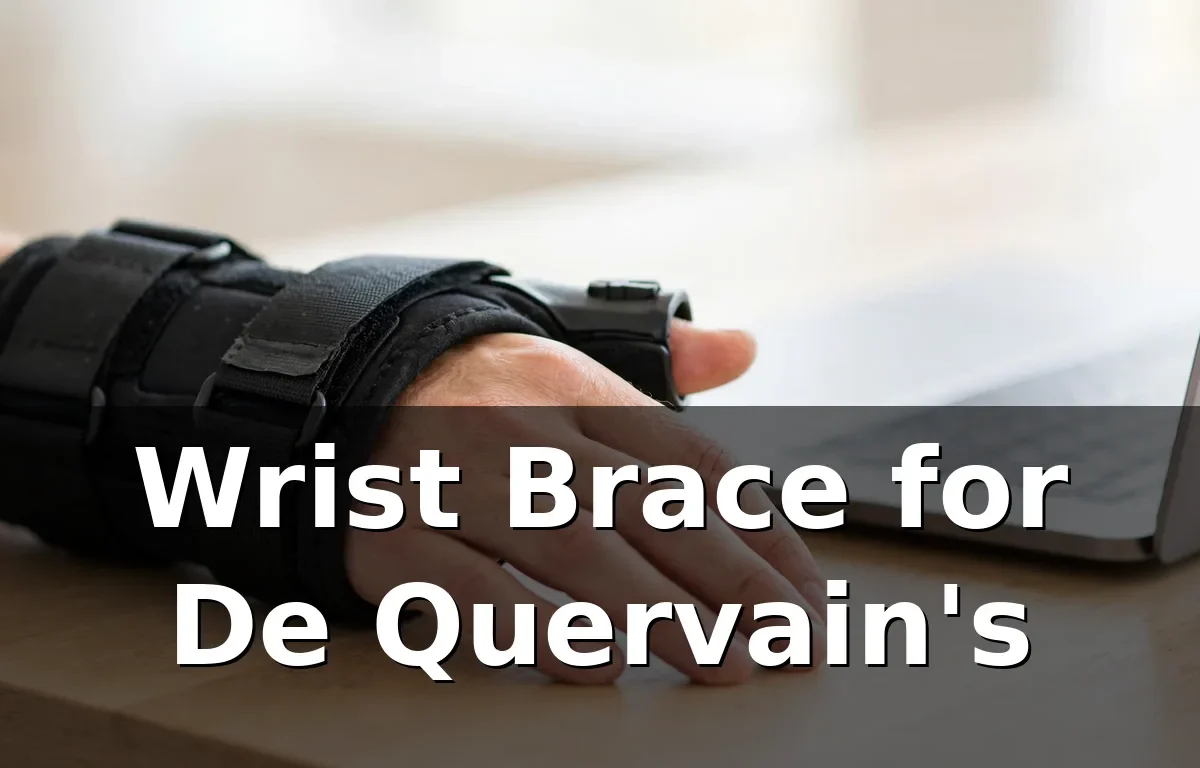
The short version: a wrist brace for De Quervain’s holds your thumb and wrist still, so the irritated tendons on the thumb side of your wrist can rest. If gripping a mug, lifting a bag, or turning a key sends a sharp ache through that spot, the right brace can make ordinary moments easier while you heal.
That pain often shows up at the worst times. You reach for your phone, pick up your child, or twist open a jar, and the thumb side of your wrist protests. A brace does not fix the problem overnight, but it takes the load off the tendons that are doing too much.
This article is general information, not medical advice. It cannot diagnose your wrist pain or tell you what treatment is right for you. If your pain is severe, keeps getting worse, or does not improve with rest and sensible care, get it checked by a doctor or another qualified clinician.
What Is De Quervain’s Tenosynovitis?
De Quervain’s tenosynovitis is irritation of the tendons on the thumb side of the wrist. Tendons are the strong cords that connect muscle to bone and let you move your thumb and wrist. When the tendons or the sheath become irritated and swollen, the tendons cannot glide as freely, and that friction makes simple movements hurt.
The classic sign is pain where the thumb meets the wrist. It may feel tender to the touch. Gripping, pinching, lifting, and twisting tend to make it worse, for example when you pick up a kettle, wring out a cloth, or lift a laundry basket.
De Quervain’s is common in new parents, and a wrist brace for De Quervain’s is often the first support they try, because holding a baby means supporting weight with the thumb spread wide, over and over. It also shows up in people who text a lot or use a mouse all day. If you are unsure what is causing your pain, get a professional opinion.
How a Wrist Brace for De Quervain’s Helps
A wrist brace for De Quervain’s helps by limiting movement. Every time you grip, pinch, or twist, the irritated tendons slide through their sheath. When you hold the thumb and wrist in a calm, neutral position, that sliding slows down.
The short version: the brace rests the sore tendons by keeping the thumb and wrist still, so everyday movements stop re-irritating them. A good brace does two jobs at once. First, it supports the wrist so it does not bend too far during normal use. Second, it steadies the thumb. Many general wrist braces leave the thumb free, which is fine for some wrist problems but not ideal here. A brace made for De Quervain’s usually includes a thumb spica, a piece that runs along the thumb and holds it in a relaxed position.
Wearing a wrist brace for De Quervain’s can also change how you use your hand. It reminds you not to lift with a pinched grip. It can ease pain during the day and help you sleep better at night. A brace is a support tool, not a cure, so ask your clinician how long to wear it.
Types of Wrist Braces for De Quervain’s
When you shop for a wrist brace for De Quervain’s, you will see several styles.
Thumb Spica Brace
A thumb spica brace wraps around the wrist and extends along the thumb, holding it in a stable, slightly relaxed position. Some have a rigid stay that keeps the thumb from bending. This is the style most clinicians reach for first when choosing a wrist brace for De Quervain’s, because it targets the exact tendons that are irritated. It suits clear thumb-side pain, when gripping and pinching hurt.
Wrist Splint With Thumb Support
A wrist splint with thumb support has a rigid stay along the palm side of the wrist, plus a shorter thumb piece that limits thumb movement without locking it fully. It offers strong wrist support with a little more thumb freedom than a full spica. As a wrist brace for De Quervain’s, it suits people who need firm wrist support for work but still need the thumb for light tasks, and it is a common choice for nighttime use.
Soft Thumb Support
A soft thumb support is made from stretchy, flexible material, sometimes with a light stay or a shaped thumb panel. It gives gentle compression and a reminder to move carefully, without holding the joint rigid. It is the lightest option and easy to wear under a sleeve. As a wrist brace for De Quervain’s, it is best for mild symptoms or for easing back into normal activity.
Rigid Wrist Brace
A rigid wrist brace holds the wrist firmly in a neutral position but leaves the thumb free. It is common for general wrist strain and nighttime support. A rigid wrist brace can help with De Quervain’s if your main problem is wrist movement, but as a wrist brace for De Quervain’s it often falls short because the thumb can still pinch and twist.
| Brace type | Thumb support | Wrist support | Best for |
|---|---|---|---|
| Thumb spica brace | Strong | Strong | Clear thumb-side pain, gripping hurts |
| Wrist splint with thumb support | Moderate | Strong | Firm support with some thumb use |
| Soft thumb support | Light | Light | Mild symptoms, easing back into activity |
| Rigid wrist brace | None | Strong | General wrist strain, nighttime support |
Step 1: Know Your Size Before You Shop
Wrap a soft tape measure around your wrist just below the base of the thumb, where a watch would sit, and note the number. Then check the size chart for the wrist brace for De Quervain’s you are considering, because sizes vary between brands. A brace that is too small will dig in, and one that is too large will slide around and fail to hold the thumb steady. If you fall between two sizes, the smaller size often gives better daytime support, as long as it does not pinch, while the larger size may be more comfortable at night or if your wrist swells.
Step 2: Choose the Right Level of Support
The short version: match the brace to your pain. Sharp pain with gripping calls for firm support. Mild, fading pain calls for something lighter. If your pain is sharp when you grip, lift, or twist, choose a thumb spica or a firm splint with thumb support — the firmest kinds of wrist brace for De Quervain’s. Firm support limits movement the most, which is what irritated tendons need early on. If your pain is mild, or you are recovering and the sharp edge has faded, a soft support or a lighter splint may be enough.
Step 3: Check the Thumb Support
This is the step people skip, and it matters most for De Quervain’s. Look at the thumb piece. It should run along the thumb and hold it in a relaxed, slightly open position. It should not force the thumb flat against the hand, and it should not let the thumb pinch freely. Try the wrist brace for De Quervain’s on and make a loose fist. Your thumb should rest naturally. Try a gentle pinch, as if picking up a coin. The brace should resist that motion. If you can pinch just as easily with the brace on as without it, the thumb support is not doing its job.
Step 4: Test Comfort and Everyday Use
A wrist brace for De Quervain’s has to work in your real life. Put it on and try the tasks that usually hurt: hold a mug, pick up your phone, turn a door handle, type a few lines, lift a bag. Notice where it rubs or feels too tight or loose. A good fit feels snug and supportive, not painful. Your fingers should stay warm and normal in color, and you should be able to spread them and make a fist without sharp pressure. Check the straps: hook-and-loop straps are common and easy to adjust, which helps when your wrist swells or shrinks during the day.
Step 5: Compare Materials, Closure, and Care
Breathable fabric keeps the hand cooler and reduces sweat, which matters if you wear the brace for hours. Neoprene offers warmth and compression but can feel hot and may irritate sensitive skin. A brace with a soft lining is gentler and less likely to rub. If you have sensitive skin, look for latex-free materials and a smooth inner layer. Closure style affects how easy the brace is to use: wide hook-and-loop straps are simple and adjustable, laces give a more precise fit but take longer to put on, and a slip-on sleeve is quick but harder to adjust. For most people, adjustable straps are the best balance in a wrist brace for De Quervain’s. Focus on fit, thumb support, and comfort first.
How to Wear and Fit Your Brace
Put the wrist brace for De Quervain’s on with your hand relaxed, not clenched. Slide your thumb into the thumb piece first, then wrap the wrist straps. The brace should sit with the wrist straight in line with the forearm, not bent up or down. Tighten the straps until the brace feels snug and stays in place, but not so tight that your fingers tingle, go numb, or change color.
The short version: snug and steady, not tight. If your fingers feel cold, tingly, or swollen, loosen the brace right away. Wear the wrist brace for De Quervain’s during activities that flare your pain, especially gripping, lifting, and twisting. Many people wear it for work, chores, and childcare, then take it off for rest and gentle movement. Take it off regularly to let the skin breathe and move the hand gently.
Living With a Brace: Daily Life Tips
Start with how you lift. Use your whole hand and both hands when you can, rather than pinching with thumb and fingers. Hold a baby close to your body with the forearm supporting the weight, instead of gripping with the thumb spread wide.
At work with a wrist brace for De Quervain’s, keep the keyboard and mouse at a height that lets your wrist rest straight. Take short breaks, and try voice dictation for longer messages.
What to Avoid While Your Wrist Heals
The short version: avoid the movements that hurt, and do not test the wrist by pushing through pain. Avoid repeated gripping, pinching, and twisting while the pain is active: heavy lifting with one hand, tight jar lids, wringing cloths, and long texting sessions.
Avoid wearing the wrist brace for De Quervain’s too loosely, because a loose brace slides around and does not hold the thumb steady, and avoid wearing it so tightly that it cuts off circulation or leaves deep marks. Keep any movement gentle, stop if it increases the pain, and ask a clinician for guidance. If the pain spreads, the thumb locks or catches, swelling increases, or you notice numbness or weakness, get checked rather than waiting it out.
When to See a Doctor
A wrist brace for De Quervain’s is a sensible first step for mild, recent pain, but see a doctor promptly if the pain is severe, if you cannot grip or lift at all, or if it came on after a fall or injury. See a clinician if the pain does not improve after a couple of weeks of rest, bracing, and pacing yourself,
Seek care sooner if you notice swelling that does not settle, redness or warmth around the wrist, a thumb that locks or catches, numbness or tingling, or weakness that makes you drop things.
FAQs
Does a wrist brace really help De Quervain’s?
A wrist brace for De Quervain’s can help by holding the thumb and wrist still, which reduces the movement that irritates the tendons. Many people find it eases pain during gripping and lifting.
How long should I wear a wrist brace for De Quervain’s?
There is no single answer that fits everyone. Some people wear it most of the day for a short period, then only for tasks that hurt. Others wear it mainly at night or during work.
Should I wear the brace at night?
Wearing a wrist brace for De Quervain’s at night can help if you wake with a stiff or aching wrist. It keeps the wrist straight while you sleep, when you cannot control how your hand moves. A comfortable splint with thumb support is often a good choice.
Can I still work and type while wearing a thumb spica brace?
Yes, many people do, although typing and fine tasks can feel slower at first. Give yourself a day or two to adjust, take short breaks, and keep your wrist straight while you type.
What is the difference between a thumb spica and a regular wrist brace?
A regular wrist brace supports the wrist but usually leaves the thumb free. A thumb spica includes a piece that runs along the thumb and holds it steady. For De Quervain’s, that thumb support matters, because the irritated tendons move the thumb.
When should I stop wearing the brace?
Start to wear the wrist brace for De Quervain’s less as the pain eases and everyday tasks stop flaring it. Try shorter periods without it for gentle activities first, and keep it nearby for tasks that still hurt. If the pain returns quickly when you stop, you may need more time, a different brace, or a clinician’s advice.
A Simple Way Forward
The short version: choose a brace with real thumb support, get the fit right, wear it for the tasks that hurt, and give the tendons time to settle. A wrist brace for De Quervain’s holds the thumb and wrist still, takes the load off irritated tendons, and makes daily life more manageable while you heal.
Measure your wrist, check the thumb support, and test the wrist brace for De Quervain’s on the tasks that usually hurt. If the pain does not improve, changes, or worries you, see a clinician. Your hands do a lot for you every day, and a well-chosen brace is a good place to start.
Related Stories

Men’s Style in the 50s: Classic Looks That Still Work
The 1950s gave menswear some of its most lasting looks, from the sharp grey suit to the leather…

Outdoor Research Men’s Echo Hoodie (2026 Guide)
The Outdoor Research men's Echo hoodie is a lightweight, breathable sun hoodie made for long days on the…

Running Shoes Men’s Nike: Best Picks, Fit and Buying Guide
Nike men's running shoes cover road running, trail running, daily training and racing, with different levels of cushioning…
1 response